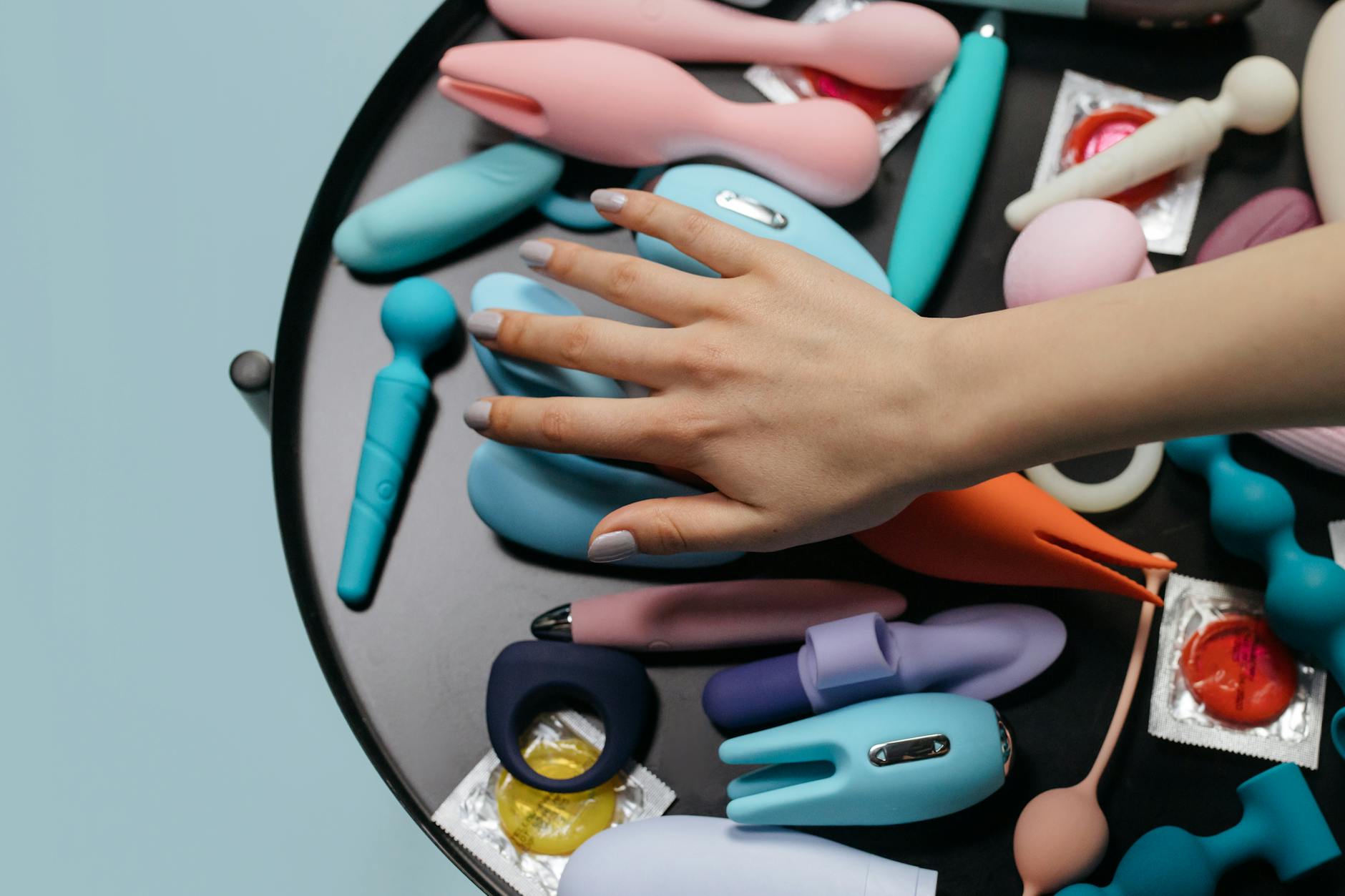
Let's start with what actually changes
Your sensitivity shifts. That's not a bug. That's biology, stress, medication, aging, relationship dynamics, or honestly, a combination of all of those things at once. The annoying part isn't the change itself. It's that nobody tells you this is normal, so you spend months or years thinking something is wrong with you.
Here's what I know from working with couples through these transitions: the people who handle sensitivity changes best are the ones who stop waiting for things to go back to "normal" and instead figure out what works now.
Why sensitivity actually shifts
There are at least five major reasons your arousal response might feel different lately.
Hormonal fluctuation. Birth control, pregnancy, postpartum recovery, perimenopause, medication changes. Anything that touches your estrogen or testosterone shifts how quickly blood flows to your genitals and how intensely nerves respond to touch.
Chronic stress or anxiety. Your nervous system is basically a dimmer switch. When you're running in fight-or-flight mode, your body deprioritizes pleasure signals. Arousal requires parasympathetic activation. You can't be mentally preparing a budget spreadsheet and fully present at the same time.
Relationship tension. I see this constantly in my practice. When there's resentment, misalignment, or unprocessed conflict with a partner, your body literally closes down. This isn't psychological nonsense. It's your nervous system protecting you.
Medications or medical conditions. SSRIs, blood pressure medications, thyroid changes, diabetes, or any condition affecting blood flow can reduce genital sensation. It's not permanent. It just needs acknowledgment.
Repetition and habituation. Sometimes you've used the same type of toy for years, and your nervous system has basically learned to tune it out. Your clitoris is smart. It adapts to predictable stimulation.
The good news? None of these mean arousal is gone. It means you need a different approach.
Why lemon clitoral vibrators work better during sensitivity shifts
Most traditional vibrators use rapid buzzing. They're fast, and they assume your nervous system is ready for intense, direct stimulation from second one. That works fine when baseline sensitivity is high.
Lemon vibrators use air-pulse suction technology. Here's why that matters for sensitivity changes.
1. Graduated stimulation. You control the intensity from pattern 1 to 8. Start at 1. Stay there as long as you need. Your body isn't being ambushed. This is huge when you're rebuilding arousal response.
2. Different nerve activation. Air-pulse stimulation activates different nerve pathways than direct vibration. For people whose bodies have adapted to traditional vibrators, or whose sensitivity has changed, this novel input can genuinely feel surprising and effective.
3. Sustained pressure without harshness. Suction holds steady. It doesn't flicker or lose intensity mid-session. That consistency helps your nervous system settle in and actually feel the sensation, rather than bracing against unpredictable intensity.
4. Easier to control. You're in charge of how long, how intense, and when to shift patterns. This is psychologically significant. When arousal has been inconsistent, you need to feel agency. Lemon vibrators give you that.
The practical reset: how to rebuild arousal sensitivity
If your sensitivity has genuinely shifted, pretend you're almost starting over. Not actually starting over. But shifting your expectations.
Week one: pattern 1 only. I know it sounds boring. That's the point. You're teaching your body that arousal is possible again at a gentler level. Spend 15 to 25 minutes just at level 1. No pressure to finish. No goal except noticing sensation.
Week two: patterns 1 through 3. You're allowed to explore now, but you stay in the lower half of the dial. You're building confidence and relearning what your body can feel.
Week three onward: full access, but intentional. You might discover that you prefer patterns 4 and 5 now, and that's genuinely different from before. That's not failure. That's new information.
This timeline isn't one-size-fits-all. Some people feel ready to experiment faster. Some need longer. The point isn't speed. It's rebuilding the neural connection between arousal and pleasure.
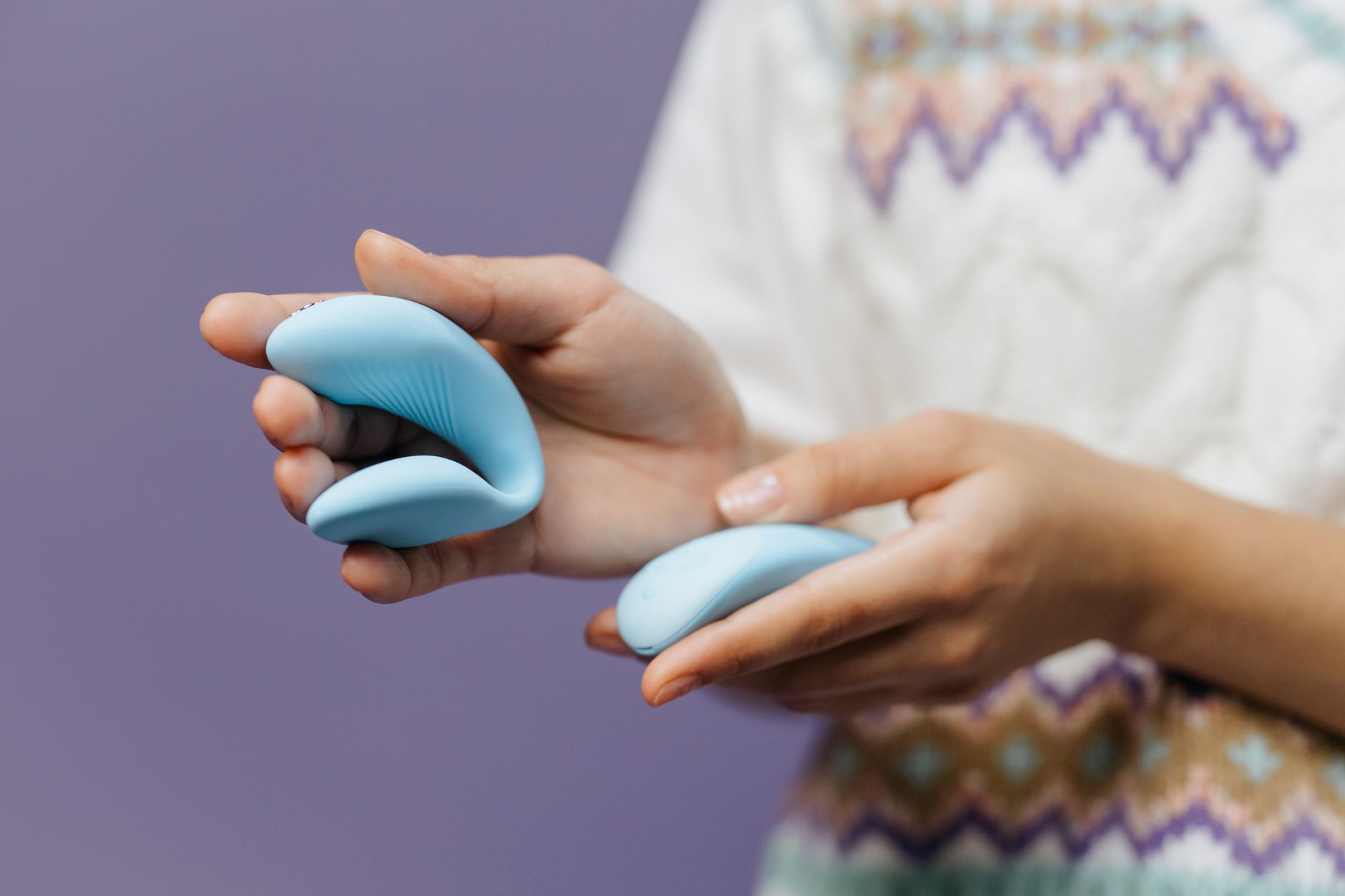
Photo by cottonbro studio on Pexels
What changes in your mindset matter more than the toy
Here's the thing that actually shifts arousal: expecting things to feel different now.
If you're sitting there thinking "this isn't working like it used to," you're already halfway to disappointed. Your brain gets in the way. That's not weakness. That's how human nervous systems work. We anticipate. We compare to past experiences. We spiral.
Instead, try this: "My body feels different now. Let's see what actually happens." No judgment. No comparison. Just curiosity.
If you're with a partner, this conversation matters. You need to say out loud: "My sensitivity has changed. I want to explore what works now." That's not admission of failure. That's partnership. How to introduce lemon vibrators to your partner without awkwardness covers this directly, but the core message is the same. This is a joint discovery, not your problem to fix alone.
When sensitivity shifts hint at something deeper
Sometimes sensitivity changes are purely physical. Sometimes they're a symptom of something your nervous system is trying to tell you.
If arousal disappeared when relationship tension showed up, the lemon vibrator isn't the solution. The relationship conversation is. If sensitivity dropped when you started a new medication, talk to your prescriber about timing or alternatives. If you've been running on empty for two years, your body might just need permission to rest before it can feel pleasure again.
Lemon clitoral vibrators help rebuild arousal response. They don't fix fundamental misalignment, burnout, or medical issues that need direct attention. But they absolutely can help you bridge the gap while you're addressing the bigger picture.
The arousal rebuild takes patience
Sensitivity shifts mess with your confidence. You start doubting whether pleasure is even possible anymore. That doubt is the real barrier, not your body.
Lemon vibrators work for sensitivity changes because they're genuinely different technology. That difference can break the expectation cycle. When you try something new and it actually works, your nervous system gets permission to relax. That's when arousal can actually come back.
You're not starting from broken. You're starting from changed. That's entirely different.
People also ask
How long does it take to rebuild sensitivity with a lemon vibrator?
There's no fixed timeline. Most people notice something shifts within two to four weeks of consistent, low-pressure exploration. But "rebuild" might not be the right word. You're not restoring old sensitivity. You're discovering new sensitivity. That's actually better.
Can sensitivity changes be permanent?
Some changes stick. Aging changes tissue thickness. Medications can have lasting effects. Menopause is permanent. But "permanent" doesn't mean "ending pleasure." It means "different." A lemon vibrator works with different sensitivity, not against it. Many people find their most intense orgasms come after sensitivity changes.
What if lemon vibrators don't help my sensitivity?
Then there's probably a non-physical reason at play. Stress, relationship issues, burnout, or medical conditions need direct treatment, not just a new toy. If arousal has genuinely flatlined for months despite trying different approaches, talk to a doctor or therapist. Sometimes the body needs support beyond vibrators.
Should I use lemon vibrators alone or with a partner?
Start alone. Solo exploration takes the performance pressure off. You're learning what your body needs without anyone watching or expecting specific outcomes. Once you've rebuilt some confidence, involving a partner is fine. How lemon clitoral vibrators work better with a partner watching walks through that transition if you're ready.
Is it normal for sensitivity to change multiple times in life?
Completely normal. Birth control changes it. Pregnancy changes it. Stress changes it. Aging changes it. Relationships change it. Your body is responsive. That's not instability. That's healthy adaptation. The people who struggle most are the ones fighting the changes instead of working with them.
Can I combine lemon vibrators with other tools to improve arousal?
Absolutely. Lubrication helps. Longer warm-up time helps. Partnered touch helps. Reducing stress helps. Addressing relationship tension helps. A lemon vibrator is one tool in the larger toolkit. The best approach usually combines multiple things: the right toy, the right mindset, the right environment, and sometimes professional support. You're allowed to use everything that actually works.
The real shift is permission
Your sensitivity changed. That's okay. That's human. And it doesn't mean arousal is broken. It means you get to discover what pleasure actually looks like for you right now, not what it used to look like five years ago.
Lemon vibrators help with that because they're genuinely different. New input. New patterns. New possibility. Sometimes that's exactly what your nervous system needs to remember that pleasure is still absolutely available.
Start at pattern 1. Give yourself weeks, not days. Pay attention without judgment. That's the whole protocol.
If you want to talk through what's actually happening with sensitivity shifts in your specific situation, reach out. That's what I'm here for.