The awkwardness is real, and it's completely normal
Let's be honest. If you're restarting after a long gap, there's a voice in your head saying something like: "Am I supposed to remember how this works?" Or maybe: "Will my body still respond?" Or the slightly frantic: "Is this weird that I'm starting again?"
None of those thoughts are weird. They're completely standard when you're picking up a practice after months or years away.
Why long breaks happen (and why they're not a moral failing)
People step back from solo pleasure for a dozen reasonable reasons. Relationship changes. Life chaos. Health stuff. Medication shifts. Depression or burnout that flattens desire entirely. Grief. Stress so relentless that your body just... checks out. Parenthood at peak intensity. Job transitions. Or sometimes it's just that one day you stopped, and then it got easier to not start again.
None of these require apology.
What matters is what happens when you want to restart. Because restarting is different from the first time. You know your body in theory. You probably have some muscle memory, even if it's dormant. But the gap creates a weird gap in confidence. You're not a beginner, but you're also not in a groove. You're somewhere awkwardly in the middle.

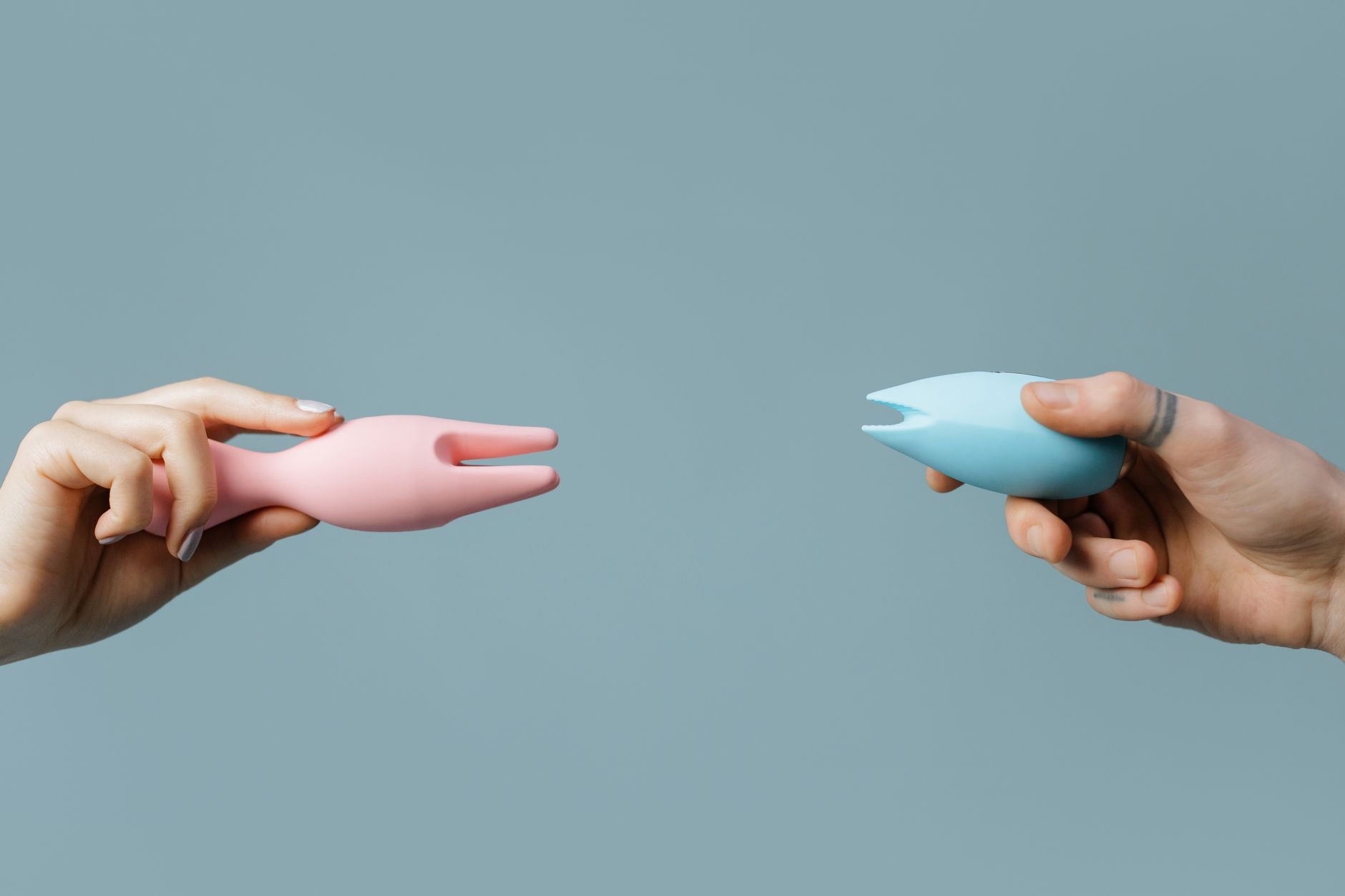
Photo by cottonbro studio on Pexels
What your body needs after a long pause
Physiologically, sensitivity changes over time. If you've been on medication, changed birth control, aged, dealt with pelvic tension from stress, or simply haven't stimulated your clitoris in a while, the nerve response isn't what it was. That doesn't mean it won't wake back up. It will. But jumping back to the intensity you remember can feel jarring or even uncomfortable.
This is where lemon vibrators excel. They're gentler entry points than you might expect. The suction-based stimulation on devices like the Lem works differently than traditional vibration. It doesn't require intense friction or direct pressure. You're not bashing sensitivity back into being. You're coaxing it awake through a mechanism that feels sophisticated and controlled.
Second, the learning curve is zero. You turn it on, explore the patterns, adjust the intensity. No assembly. No five-minute YouTube tutorial to figure out what you're doing. Just pick it up and start. That removes one layer of friction from an already somewhat-fraught moment.
The mental piece is bigger than the physical one
Here's what I see in my practice: the hardest part of restarting isn't your body. It's your head.
You might be negotiating some shame about the gap. You might feel like you "should" be further along. You might have internalized some version of the belief that good partners (or good people) maintain their sexual self continuously, and taking a break means you failed.
You didn't. Pauses happen. Restarting is not failure. It's actually pretty brave.
Using a lemon clitoral vibrator shifts this psychologically. It's not raw. It's not primal. It's almost clinical in its gentleness. The suction sensation feels almost medical, which paradoxically makes it feel safer if you're carrying some shame about restarting. You're not "being sexual again." You're gently recalibrating your body's response to stimulation. That frame makes a difference.
Lemon vibrators also give you permission to go slow. You can spend five minutes exploring patterns without feeling like you're "supposed to" be building toward anything. There's no timeline. No pressure to orgasm. Just sensation.
The specific ways lemon vibrators help during restart
Lower initial intensity works better. Traditional vibrators can feel overwhelming if your sensitivity is rusty. Lemon's suction starts gentle and scales up. You're not hitting your clitoris with a 90-decibel jackhammer on day one.
You control the pace. Most lemon sexual toys have step-by-step intensity gradients. That means you're not clicking from zero to thirty. You're clicking from zero to two, then three, then five. Your nervous system can keep up.
Suction feels different in a useful way. If penetration or direct clitoral touch feels too intense right now, suction offers a middle ground. You get stimulation without the specific sensations that might trigger discomfort from your gap.
They're private and portable. No explanation needed. No partner involvement unless you want it. You can slip a lemon vibrator into your nightstand and restart entirely on your own timeline, which removes a lot of external pressure.
Orgasm isn't the goal yet. The way lemon clitoral vibrators feel (more like a sensation than a performance tool) makes it easier to separate orgasm from pleasure. Early restart can actually benefit from that. You're rebuilding your relationship to sensation, not chasing an outcome.
A practical restart framework
If you're restarting with a lemon vibrator, here's what I recommend:
Week one: exploration only. Five to ten minutes in a comfortable space. No goal except "does this feel good?" Try different patterns. Notice what your body does. If nothing happens, that's fine. Nothing is supposed to happen yet.
Week two: extend the timeline. Fifteen minutes if you want it. You might notice your body starting to warm up faster. Arousal might build more predictably. This is your nervous system remembering.
Week three onward: add intention. By now you'll know what patterns feel good. You can start exploring whether you want to build toward an orgasm, or whether you just want the pleasure of sensation. Both are complete.
The beautiful thing about restarting is you get to decide what pleasure looks like now. It might be different than before. Maybe you want quickies instead of long sessions. Maybe you want to incorporate a partner differently. Maybe solo pleasure becomes something you do when you need to reconnect with yourself, not something you feel obligated to perform.
When to reach out to someone
If after three or four weeks of gentle exploration your body still isn't responding, or if discomfort shows up where there wasn't discomfort before, check in with a pelvic floor physical therapist or a gynecologist. Sometimes a long gap means your pelvic floor got tight from stress or postural habits. Sometimes medication or hormonal changes need addressing. None of that is permanent, but it's worth naming early.
The thing nobody tells you about restarting
Restarting pleasure after a long break often becomes a turning point. Not because you're suddenly "fixed" or back to normal. But because you get to intentionally rebuild your relationship to your own body.
You get to ask: what do I actually want from this, now? Not what I "should" want. Not what worked before. What feels true for me in this moment.
That's a gift. Lemon vibrators make the logistics of unwrapping that gift a lot simpler.
Frequently asked questions
How long does it usually take to feel arousal building again?
It varies widely. Some people feel noticeable shifts in one or two sessions. Others take two to three weeks of consistent exploration. There's no "normal." Your timeline is your timeline. The key is not measuring yourself against anyone else's restart speed. If you're showing up for yourself consistently, you're doing it right.
Will my sensitivity come back to what it was before the break?
Maybe, maybe not. Which is actually fine. Your body has changed, and that's not loss. Your clitoris has roughly eight thousand nerve endings regardless of how long it's been since you used it. The sensation might feel different, but it will be there. Different isn't worse. It's just different.
Should I tell my partner I'm restarting?
That depends entirely on your relationship. If you're partnered and you want to eventually involve them, a conversation helps. But you don't owe them participation in your restart. This can be entirely yours first. Once you've rebuilt some confidence and comfort in your own body, then you can explore whether you want to share that.
Is it normal to feel self-conscious using a vibrator after a long break?
Completely normal. That self-consciousness often comes from internalized messages that pleasure is supposed to be spontaneous, or that using a tool means something is "wrong." Neither is true. Tools exist because bodies are complex and deserve support. Using a lemon vibrator isn't a workaround. It's an intelligent choice.
What if I don't have an orgasm during restart?
Orgasm isn't the goal of restart. Reconnection is. Some people orgasm easily on their first session back. Others take weeks or months. Some people find that restarting shifts their relationship to orgasm entirely. All of that is okay. The point is noticing what your body enjoys, without requiring a specific outcome.
Can I use a lemon vibrator if I'm in a relationship?
Absolutely. Solo pleasure and partnered pleasure exist in different lanes. One doesn't replace the other. Using a lemon clitoral vibrator on your own is about deepening your literacy of your own body. That knowledge actually makes partnered sex better, not worse.
Start where you are
If you're thinking about restarting, the best time is now. Not when conditions are perfect. Not when you've mentally "prepared." Not after you've read another guide. Just pick up a lemon vibrator and notice what happens when you give yourself permission to restart without judgment.
Your body has been waiting for you. It's ready whenever you are.
Have questions about how to rebuild your pleasure practice or navigate intimacy during transitions? Reach out. I'm here to help you move forward with clarity and self-compassion.