Let's start with the obvious thing no one says
If you've never had a reliable orgasm, you've probably internalized the message that something's wrong with you. It's not. What's actually wrong is that you haven't matched your nervous system to the right type of stimulation yet.
The orgasm gap is real. According to research by Indiana University, about 65% of women report difficulty reaching orgasm during partnered sex, while 95% of men do so routinely. That gap doesn't mean anything is broken in your body. It means conventional stimulation doesn't match how your particular nervous system is wired.
Why traditional stimulation fails for so many people
Most vibrators work through rapid vibration. Your fingers do the same. Penetration does something totally different. When nothing works reliably, people assume their body is the problem. What's actually happened is you haven't found the signal your nervous system recognizes.
Think of it like a radio. If you're tuned to FM and everyone's broadcasting on AM, the silence isn't the radio's fault. It's a mismatch between the signal and the receiver.
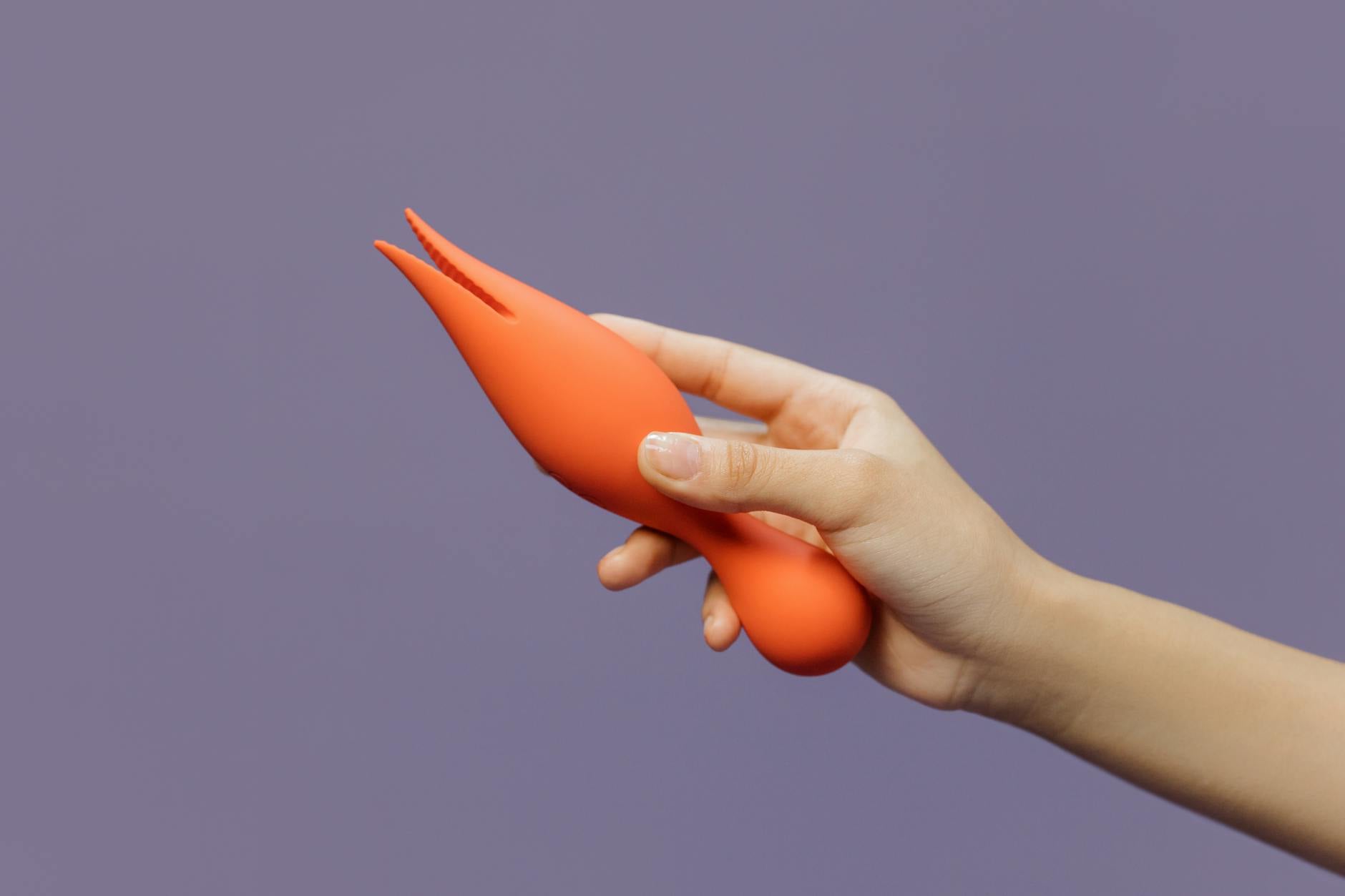
Lemon clitoral vibrators work differently. Instead of vibration, they use suction and pulsing sensation. For people who've never had consistent orgasms with traditional tools, this different mechanism often unlocks something entirely new. It's not better or worse. It's just different in a way that sometimes matches your body's actual needs.
The neurology of why suction works when vibration doesn't
Your clitoris has about 8,000 nerve endings. But not all of them respond the same way to stimulation. Some respond to light pressure. Some to deeper suction. Some to rhythmic pulsing. Some to constant pressure.
When you use a wand vibrator, you're applying rapid vibration to the surface. A lemon vibrator applies suction that works more deeply into the tissue, stimulating different nerve clusters at a different rhythm. For some people, this is the first time their particular nerve configuration has been properly engaged.
I've worked with hundreds of people in my practice who've never had an orgasm during solo play, and then used a lemon sucker for the first time and had multiple. That's not magic. That's neurology matching technology.
The permission problem
But here's the part that's almost more important than the mechanics. When you've spent years believing you can't orgasm, you develop a protective layer of doubt. Even if the right tool shows up, your brain is often already convinced it won't work.
Lemon clitoral vibrators are visually different from traditional vibrators. They're smaller, they look less intimidating, they feel more intimate. Many people report that switching to a lemon vibrator feels like giving themselves permission to try something new, without the weight of all the previous failures.
That psychological reset is real and it matters. Your mind and body are connected. Sometimes changing the tool is just a way of telling your nervous system that this time is going to be different.
Starting with the right intensity and pattern
If you've never had consistent orgasms, jumping to maximum intensity is usually a mistake. A lemon clitoral vibrator like the Lem offers graduated patterns and intensity levels. Start at pattern 1 or 2. Spend 10-15 minutes exploring at that lower intensity before moving up.
Your nervous system needs time to calibrate. Pleasure isn't something you can force. It's something you build gradually, like tuning that radio dial slowly until the signal gets clear.
Most people who've struggled with orgasms have also been doing something else during solo play. Rushing. Tensing. Watching the clock. Waiting for something that didn't come. Starting with intentionally low intensity and longer timeframes breaks that pattern. You're not trying to finish. You're learning how your body actually responds.
The role of consistent practice
Consistency matters more than effort. Using a lemon vibrator once won't necessarily create breakthroughs. Using it regularly, for at least 15-20 minutes weekly, rewires your nervous system's response pathways.
Think of it like learning an instrument. One lesson doesn't make you a musician. But 20 lessons over three months absolutely does. The same applies here. Your body is learning a new pattern of sensation and response.
I recommend starting with twice weekly sessions if you're serious about shifting your orgasm capacity. After four to six weeks of consistent use, most people report either their first reliable orgasm or a significant deepening of pleasure they already have.
When to use lubrication
Water-based lubricant transforms the experience for most people discovering orgasms for the first time. It reduces friction, makes the sensation feel smoother, and allows for longer sessions without irritation.
Use it generously. The clitoral tissue is delicate, and adequate lubrication makes every difference. Apply it before you start and reapply halfway through if you're doing longer sessions. This isn't a flaw in your technique or your body. It's just what works.
The role of relaxation
Orgasm requires a nervous system shift from sympathetic (fight or flight) to parasympathetic (rest and digest). If you're anxious, rushed, or tense, your nervous system stays in sympathetic mode and orgasm becomes neurologically impossible.
This is why I almost always recommend starting in a space where you feel safe. Lock the door. Give yourself 30 minutes where you don't have to be anywhere else. Maybe dim the lights or put on music you like. These aren't luxuries. They're the conditions your nervous system needs to actually shift into a state where pleasure is possible.
Partnered exploration
If you're using a lemon clitoral vibrator for the first time and you have a partner, you get to decide if they're in the room. Many people find their first orgasms happen solo, which is completely valid. Once you know how your body works with the tool, bringing a partner in becomes easier because you're not starting from a place of uncertainty.
When you do involve a partner, let them know it's not about them failing at partner stimulation. It's about you discovering something about your body that neither of you knew yet.
Recovery and sensitivity
After you've finally found consistent orgasm, there's sometimes a brief period where the clitoral area feels sensitive. This is normal. It usually passes within a day. If sensitivity persists beyond 48 hours or feels uncomfortable, dial back intensity for your next session or space sessions further apart.
Your body is telling you something about what it needs. Listen to it.
Why this matters
Orgasm capacity isn't a moral measure of anything. But for most people, orgasm contributes to physical health, emotional release, better sleep, and a sense of bodily autonomy. If you've never had reliable orgasm, reclaiming that for yourself is worth the experimentation.
A lemon vibrator is often the bridge that makes it possible. Not because your body was waiting for a specific product, but because sometimes matching the right tool to your particular neurology is what finally lets pleasure happen.
FAQ
What if I use a lemon vibrator and still don't have an orgasm?
Orgasm involves nervous system response, mental state, pelvic floor tension, and sometimes hormone levels. If a lemon clitoral vibrator hasn't unlocked orgasm after 4-6 weeks of twice-weekly use, other factors might be at play. Pelvic floor tension is common in people who've never had reliable orgasm. A pelvic floor physical therapist can assess whether that's your situation. Hormone levels, medication side effects, and unprocessed stress also block orgasm. Address what you can control first (relaxation, consistent practice, adequate time) and then consider professional support if needed.
Can you become dependent on lemon vibrators and lose the ability to have orgasms other ways?
No. If anything, having your first orgasm with a tool often makes other forms of stimulation more effective, not less. Your nervous system learns what pleasure feels like. That knowledge transfers. Some people do find they prefer lemon vibrators, and that's fine. Others eventually have orgasms through penetration or partner stimulation alone. Both outcomes are normal.
How long until a lemon vibrator produces results?
Every body is different, but most people notice either their first orgasm or a significant shift in sensation within 4-6 weeks of twice-weekly sessions. Some people experience results in the first session. Others need 8-12 weeks. Consistency matters more than intensity. Regular gentle use beats occasional intense use.
Is it normal to need a higher intensity setting as you use a lemon vibrator more?
Sometimes, but not always. Some people's sensitivity actually increases with regular use. Others find they can access orgasm at lower intensities the more they practice. If you notice needing higher intensity, you can take a week or two off and reset. Your nervous system will recalibrate and you'll usually find lower intensities work again. This isn't addiction. It's normal nervous system adaptation.
What if I'm on medications that affect sexual response?
Many medications, especially antidepressants, can delay or prevent orgasm. If you suspect medication is the issue, talk to your prescriber about adjusting timing or dosage. Don't stop medication without guidance. A lemon vibrator sometimes helps override medication effects, but not always. It's worth trying, but shouldn't replace a conversation with your doctor.
Should I tell a partner I'm using a lemon vibrator to have orgasms?
That's your call. Some people find it deepens intimacy to share the discovery. Others prefer keeping solo play private. If you do tell them, frame it as exploration, not criticism of their abilities. You might say something like: "I discovered something about how my body works. I'd love to explore this with you if you're interested." That keeps it collaborative rather than defensive.
Final thought
If you've spent years thinking your body doesn't work, discovering that it actually does is profound. A lemon clitoral vibrator is often the tool that makes that discovery possible. Not because there's anything wrong with you, but because sometimes the right match between your nervous system and the right kind of stimulation is what finally lets pleasure actually happen.