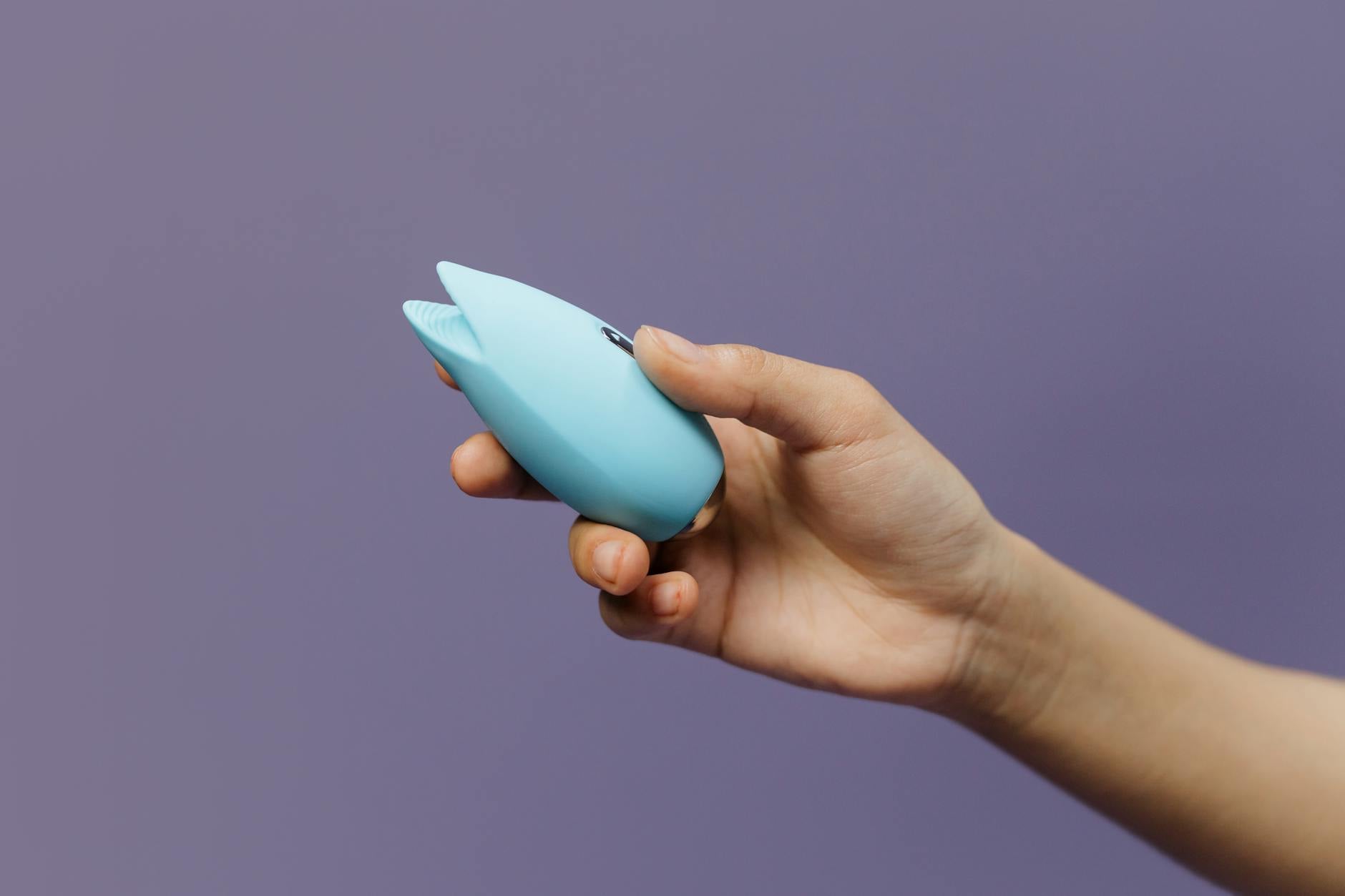
How to Recover From Lemon Vibrator Sensitivity After Frequent Use
Let's be real. You found something that works. Maybe it's the specific buzz pattern of the Lem vibrator, or the way a lemon sucker toy hits just right. So you used it. A lot. Then one day you realized the sensation that used to be electric now feels like someone's tapping you with a pencil eraser from three rooms away.
This happens to a significant percentage of people who use lemon vibrators regularly. It's not because you broke anything. It's because your nervous system adapted. And the good news: you can reset it.
What sensitivity loss actually is
Your clitoris is packed with nerve endings. When you stimulate it repeatedly with the same type of sensation, especially if you're chasing the same orgasm pattern every time, those nerves eventually become desensitized. It's the same principle that makes a repeated sound stop bothering you, or a shirt's tag become invisible against your skin.
Technically, it's called habituation. Your sensory neurons stop firing at the same intensity because they're receiving a constant signal. The vibrator isn't broken. You're not broken either. Your nervous system is just doing its job a little too well.
One study found that people who used lemon clitoral vibrators more than four times weekly were significantly more likely to report reduced sensation after three months of use. That doesn't mean the vibrator stops working. It means the same pattern on the same setting delivers less noticeable stimulation to your nerve endings.
How to recognize you're actually experiencing this
You know the difference. Your lemon vibrator used to make you gasp. Now you're wondering if the battery is dying. But you check, and it's fine. The buzz feels softer, flatter, or like you need to turn it up to 10 just to feel what you used to feel on level 4.
Some people also notice they can't orgasm at all. Others find they can still come, but it takes twice as long and feels less intense. The timeline varies wildly. Some people experience this after two weeks of daily use. Others use their lemon sexual toy multiple times daily for months with zero decline.
The variation depends on your neurology, how often you use the toy, which intensity settings you favor, and whether you're using it the exact same way every single time.
The reset protocol (it actually works)
This is not theoretical. This is what I recommend to clients who've hit this wall.
The first step: Stop using the lemon vibrator for 7 to 14 days. Completely. Not even on low. This is uncomfortable because the thing you want to use is sitting right there. But your nervous system needs to forget the habituation. Seven days is the minimum. Fourteen is better. Three weeks is ideal if you can manage it.
During this break, touching yourself is fine. Just don't use the vibrator. Manual stimulation, partner stimulation, or nothing at all. Your goal is to let those sensory neurons reset to their baseline sensitivity.
Step two: When you resume, change your pattern. This is critical. If you always use setting 3 on your lemon vibrator, start on setting 1 or 2. If you always circle in one direction, try a different angle. If you normally use it for 20 minutes, set a timer for five and stop there.
Break the habit. Your nervous system needs novelty to reawaken. When you show up with a completely different approach, you're essentially introducing the sensation as new again.
Step three: Vary your tools. If you're only using lemon vibrators, the sensitivity issue is harder to fix because you're not giving your nervous system other types of stimulation to compare against. Some people find that switching to a wand vibrator temporarily, or trying a toy with a different vibration pattern entirely, resets their sensitivity faster.
That said, if you love your lemon toy, you don't need to abandon it forever. You just need to rotate it out periodically.
Step four: Space out your sessions. Instead of using your lemon clitoral vibrator daily, move to three to four times per week. This alone prevents re-habituation from happening again. Your nervous system needs time between sessions to fully reset.
Why frequency matters so much
The research is actually pretty straightforward on this: daily vibrator use, especially with the same toy and same technique, accelerates sensitivity loss. Using a lemon vibrator or any clitoral vibrator five times per week is dramatically different from using it once or twice per week.
That doesn't mean daily use is wrong. It means if you're going to use daily, you need to be rotating patterns, settings, and angles. Your nervous system is smart enough to recognize novelty. Give it some.
When sensitivity takes weeks to return
Sometimes the break and the pattern shift aren't enough. Some people need a full four to six weeks before sensitivity returns to pre-habituation levels. This is more common if you used your lemon sexual toy intensively for months, or if you have naturally higher sensory thresholds to begin with.
The temptation at week three is to assume it's not working and go back to your old pattern. Don't. Stick with the new frequency and variation. The recovery is happening, just slowly.
One trick: keep a simple log. Note the date you resumed, which settings you're using, how long the session lasted, and how the sensation felt on a scale of 1 to 10. You'll often see the trend before you feel it.
Prevention is easier than recovery
If you're currently happily using your lemon vibrator without sensitivity loss, here's how to keep it that way. Use it no more than four times per week. Rotate between at least two different intensity settings. Change your technique every few sessions. Switch to a different toy or technique every 10 to 14 days, even if just for one session.
The goal is to keep your nervous system interested. Stimulation variety is the enemy of habituation.
The role of lubrication and pressure
While you're resetting sensitivity, using quality lubricant and adjusting pressure helps. Lube reduces friction without changing the core vibration, which can make sensations feel fresh even if you're using the same toy. Some people find that applying their lemon sucker with gentler pressure during recovery speeds things up.
This isn't about needing more lubricant because you're broken. It's about creating variation. A slightly different pressure combined with lube creates a different neural signal. That novelty matters.
Managing the emotional part
Here's what I hear from people working through this: shame, frustration, and the fear that they broke something permanently. They didn't. Your clitoris and your nervous system are resilient. But the emotional weight of losing access to something that felt good is real.
If you have a partner, telling them what's happening helps. You might say something like, "I've been using toys the same way every day and my body adapted. I'm taking a break and switching things up. It's not about you, it's just my nervous system asking for novelty." Most partners find this reasonable and sometimes even want to explore new techniques together.
The recovery timeline is frustrating precisely because it works slowly. But it does work. Most people report full or near-full sensitivity recovery within three to six weeks of consistent variation and reduced frequency. Some bounce back faster.
FAQ: sensitivity and lemon vibrators
Can you completely lose sensitivity to a lemon vibrator?
No. Habituation is not permanent. Taking a genuine break and reintroducing variation consistently restores sensitivity. The longest recovery timeline I've seen is eight weeks, and that was after six months of intensive daily use with zero variation.
Is sensitivity loss a sign you should stop using vibrators?
Absolutely not. It's a sign to rotate your technique. People who switch up their approach, vary frequency, and rotate toys rarely experience sensitivity loss. It's the sameness that creates the problem, not the vibrator itself.
Does your body eventually stop responding to lemon clitoral vibrators altogether?
No. Even people who've experienced severe habituation recover full sensitivity when they change their approach. The nervous system adapts to new patterns just as readily as it adapts to repetitive ones.
How long does it take to reset clitoral sensitivity to a lemon vibrator?
Three to six weeks is typical if you take a genuine break and then introduce variation. Some people see improvement within two weeks. Others need the full six. It depends on how long and intensely you used the toy before the sensitivity declined.
Can you speed up the recovery process?
Yes. Taking a longer break (two to three weeks instead of one), introducing more dramatic pattern changes, and rotating to completely different stimulation types all speed recovery. So does reducing frequency permanently going forward.
What if you switch to a different lemon vibrator model during recovery?
Switch away. Using a different toy with a different vibration pattern during recovery actually helps. The novelty resets your nervous system faster. Return to your favorite lemon sexual toy once sensitivity is back.
What comes next
Your favorite lemon vibrator isn't going anywhere. Neither is your sensitivity. You're just resetting your relationship with the toy by introducing intentional variation and giving your nervous system time to forget the old pattern.
Start with the break. Then change your approach. Then be patient. The sensation you loved is waiting on the other side of a few weeks of doing things differently.
If you want to talk through your specific situation or need help thinking through what recovery might look like for you, reach out to us. We're here to help.