The five-minute problem
Here's the thing: your partner orgasms in five minutes. You need twenty. Neither of you is broken. You're just wired differently, and most couples spend years pretending this isn't happening, which creates exactly the tension you're trying to avoid.
The guilt kicks in first. Your partner thinks they're doing something wrong. You start holding back. Sex becomes a calculation instead of something you actually want. The resentment sits quiet in the background until it's not.
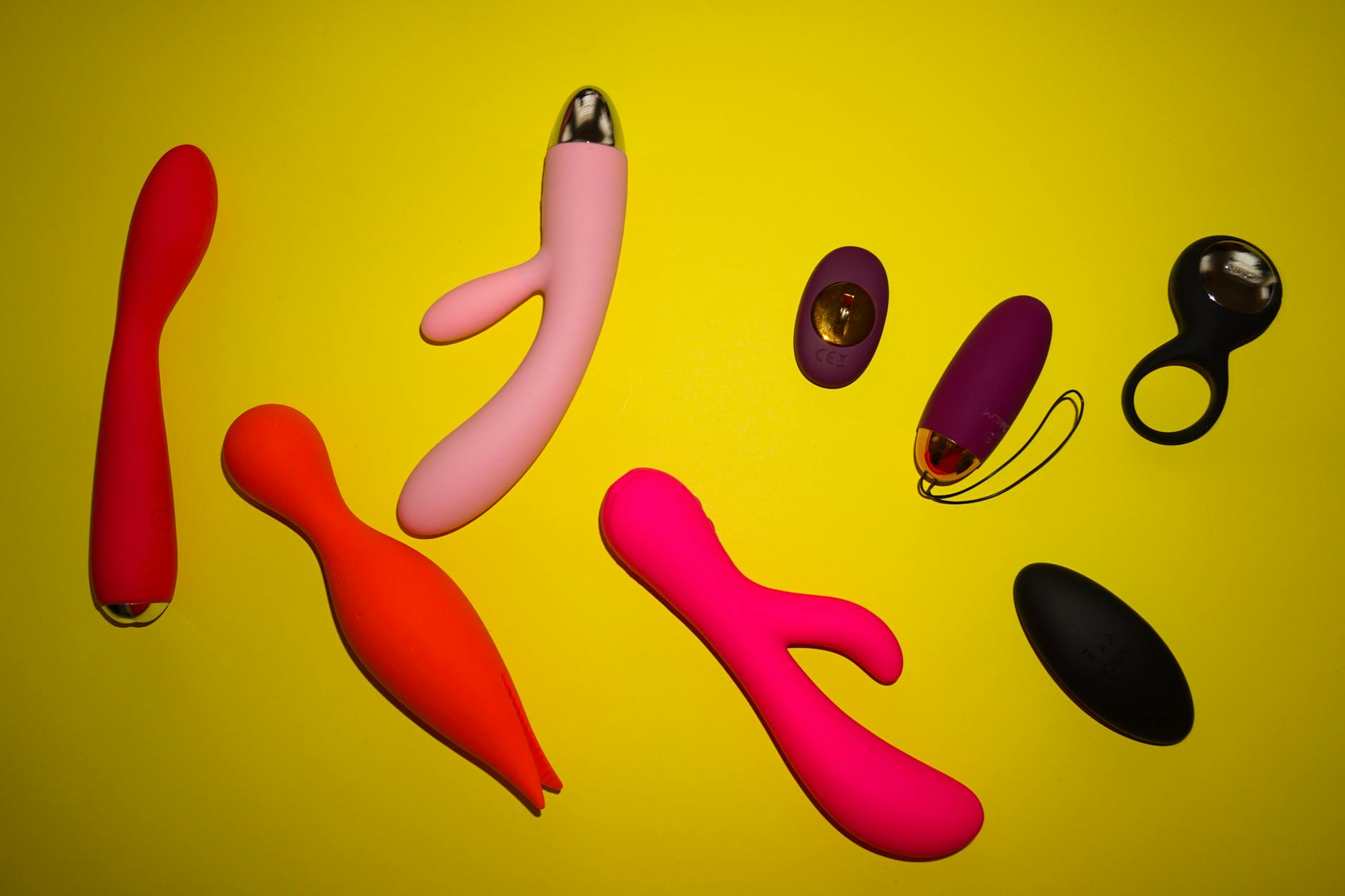
Clitoral vibrators like those from Lemon Sucker change the math entirely. They're not a workaround. They're the actual solution.
Why the timing gap exists
Bodies simply respond at different speeds. Arousal buildup varies wildly between people, between cycles, between days of the week. Add in that many people with penises are wired for faster climax (it's evolutionary, not personal), and you've got a structural mismatch that no amount of effort fixes on its own.
The old advice was always the same: more foreplay, different positions, Kegel exercises, patience. Fine suggestions. But they all put the burden on you to somehow speed up your own arousal, which is like asking your nervous system to apologize for how it works.
A lemon clitoral vibrator removes that burden entirely. It doesn't change your arousal timeline. It changes the context.
The pattern that actually works
Here's the framework I recommend to most couples navigating this:
Before: You and your partner spend time on mutual arousal. Touch, kissing, whatever works for both of you. Aim for 10-15 minutes minimum. This isn't separate from "real sex." It's the beginning.
During: Your partner enters you (or you engage in whatever your preferred activity is). They climax on their timeline. Here's the key: you keep going. This is where the vibrator enters the scene.
After their climax: Many partners want to keep moving or touching you afterward. Perfect. You use your lemon vibrator during this phase. The dual sensation of their body plus the precision of the vibrator creates something neither of you could generate alone.
Timing-wise, you're now getting 25-30 minutes total, which for most people moves pleasure from rushed to genuinely satisfying.
How to introduce it without awkwardness
The conversation matters more than the toy itself. Avoid framing it as "I need this because you're not enough." That's factually wrong and emotionally destructive.
Instead: "I've been thinking about ways we could both feel more satisfied during sex. I want to try using a vibrator so I'm not stressed about timing, and so you don't feel like you're running a clock. What do you think?"
That's it. You're not asking permission. You're inviting collaboration.
Bring the toy to bed. Show your partner how it feels. Let them hold it while you use it. This removes the mystique and makes it a shared object rather than a replacement for them.
Many partners find watching this happen genuinely erotic. Others need time to adjust. Both responses are normal.
The physical technique that maximizes pleasure
Once your partner has climaxed and is still present with you, here's what creates the best results:
Start low. If you're using a lemon vibrator on pattern one or two, let your body adjust to the stimulation. Your sensitivity might be higher now that you're more aroused.
Position matters. You're likely in or near missionary, side-by-side, or a similar position where your partner can stay close. Your vibrator needs access to your clitoris without creating weird geometry. Side-lying often works best.
Let them stay connected. Your partner can keep their hand on you, their body close, or stay inside you depending on what feels good. The vibrator isn't a replacement for their presence. It's an amplifier.
Build slowly. Don't rush to high intensity. Lemon clitoral vibrators are designed to build sensation gradually. Spend 5-8 minutes at lower patterns. This teaches your body to relax into pleasure instead of chasing it.
The orgasm that results from this combination, when it comes, tends to be deeper and longer than what either sensation alone creates.
What happens if your partner feels threatened
This is real, and it matters. Some partners interpret vibrator use as a rejection or a statement that they're insufficient. That's not true, but feelings don't care about logic.
If this comes up, separate the conversation from the bedroom. Talk about it before you try anything. Name what you're noticing: "I sense you're uncomfortable. I want to understand why."
Listen. Don't defend. Then share your truth: "I love having sex with you. My body just needs more time. This tool helps me feel less anxious about that, which actually makes me present with you instead of in my head."
Sometimes a partner needs to see how to use lemon vibrators when your partner wants to watch to shift from threatened to interested. Watching you experience pleasure often unlocks something in them.
The solo warm-up option
Some couples prefer a different rhythm: you use your vibrator solo beforehand, get yourself to about 80% arousal, then engage with your partner from there. You're already warmed up. They don't have to wait around feeling like they're doing something wrong.
This works beautifully if you have privacy and time. Spend 10-15 minutes with your lemon vibrator alone. Get to that edge. Then call your partner in. The combination of your existing arousal plus their touch plus the vibrator can create a faster path to climax for you.
Neither approach is "right." Both are valid. Pick the one that fits your actual lives.
When medication or anxiety complicates things
If you're on medication that delays orgasm, or if performance anxiety is layered on top of this, the vibrator becomes even more valuable. It removes the psychological pressure. You're not waiting for something to happen. You're actively creating pleasure.
Sometimes how to use lemon vibrators when medication affects your ability to orgasm is its own conversation, but the principle is identical: you're taking control of your own experience.
FAQ: The questions couples actually ask
Will using a vibrator make me dependent on it?
No. Your body doesn't rewire itself. You're not training your nervous system to "need" the vibrator any more than using a pillow trains you to need pillows. What does happen: you discover a context where orgasm happens more easily, which reduces anxiety. That's the opposite of dependence.
Should I use it every time we have sex?
Nope. Use it when you want. Skip it when you don't. The whole point is that you have options. Some nights you'll want the precision and speed. Some nights you'll want to take time. Both are good.
What if I feel embarrassed using it with my partner?
That's usually about messaging you absorbed growing up. Pleasure isn't embarrassing. Using a tool to feel better during sex is practical and generous to your partner because it removes their guilt. Practice naming it out loud: "I'm using my lemon vibrator." It gets less weird fast.
Can my partner use it on me instead of me using it?
Absolutely. That's often even hotter because the control and novelty factor goes up. They can experiment with intensity, patterns, and angles. You get to receive. Win for everyone.
How do I know if my partner is truly uncomfortable versus just unfamiliar?
Watch what happens after a few times. Discomfort that's just newness softens with exposure. Actual discomfort that's rooted in insecurity or control issues tends to stiffen. If they're genuinely worried about your pleasure, they'll warm to the idea. If they're worried about their role or their ego, that needs its own conversation.
What if we use it and I still don't orgasm?
The vibrator is a tool, not a guarantee. If orgasm still doesn't happen, the issue is probably deeper. That might be worth exploring with someone like a sex therapist or how to use lemon vibrators when you want pleasure but can't relax into it. Sometimes it's relaxation. Sometimes it's something else entirely.
Is it weird to use a clitoral vibrator during partnered sex?
Not anymore. Millions of couples do this. It's practical. It works. Your partner doesn't have the anatomy to do what your vibrator does, so why pretend you do? You're working with what actually exists.
The bigger picture
Timing mismatches in sex aren't a flaw in your relationship. They're a logistics problem. And logistics problems have solutions.
Using lemon sexual toys like clitoral vibrators during partnered sex isn't settling. It's optimizing. You're building a sexual rhythm that works for both of you instead of contorting yourselves to fit some imaginary standard.
Your partner finishes first. That's okay. You take your time. That's also okay. And now you have a tool that lets both of you feel genuinely satisfied instead of rushed or guilty.
Start the conversation this week. Bring it to bed next week. See what happens.
Sources
The timing dynamics described here align with research in sexual medicine journals on arousal variability and couple satisfaction. The framework mirrors advice from certified sex therapists and relationship specialists working with discordant arousal patterns. No single study backs this entirely, but decades of clinical practice with couples confirms the approach works.