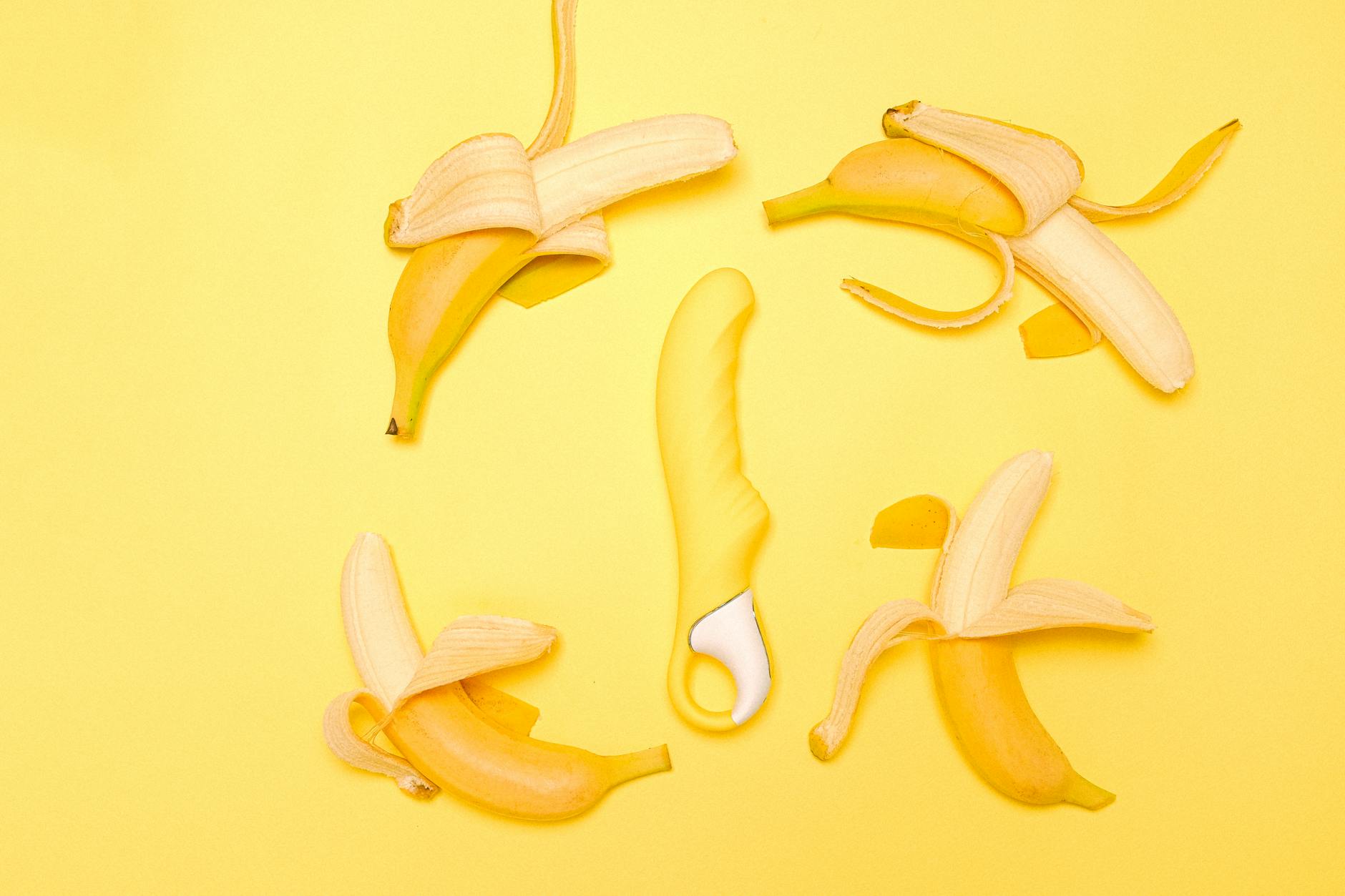
How to Use Lemon Vibrators for Clitoral Orgasms That Actually Feel Good
Honestly, the first time someone tries an air-pulse lemon vibrator, they often do it wrong. Not because they're doing anything weird or bad, but because suction-based stimulation is genuinely different from the vibration they're used to. The sensations don't stack the same way. The rhythms work differently. The intensity curve is inverted.
I've worked with hundreds of people navigating this shift, and the pattern is always the same: they start too strong, feel nothing, assume the toy isn't for them, and then meet someone who shows them the technique and everything changes. Let's skip the middle part.
Here's how air-pulse clitoral vibrators actually work, and exactly how to use one so you get results.
What makes lemon clitoral vibrators different from regular vibrators
A traditional vibrator moves back and forth very fast. A lemon vibrator using air-pulse technology creates a gentle suction that pulses against the clitoris, mimicking oral stimulation. It's not friction. It's more like a rhythm against the tissues.
This matters because your clitoris isn't one single thing. It has a visible external head (the glans), but it extends internally into legs and a complex network of nerve endings. Traditional vibrators stimulate primarily through surface vibration. Air-pulse lemon vibrators work differently, creating more diffuse sensation that engages a broader area.
The practical upshot: most people need much lower intensities to feel something. Starting at level 1 or 2, not level 5. This is not weakness. This is how the technology is designed.
The starter technique: finding your baseline
Step 1. Apply a water-based lubricant around your clitoris and the opening of the lemon vibrator. Not inside your body, just the external area. This creates a seal and amplifies sensation. Without it, you'll feel almost nothing.
Step 2. Position the head of the lemon vibrator directly over your clitoris. The entire head should make contact, not just a corner. If you're used to pinpoint vibration, this feels weird at first. That's normal.
Step 3. Turn it on at the lowest setting. Most lemon vibrators have 5-10 intensity levels. Start at 1. Press it gently against your body without adding pressure. Let the suction do the work.
Step 4. Once you feel the sensation clearly (this takes 30 seconds to 2 minutes), you can start experimenting with rhythm patterns. Many lemon vibrators cycle through different pulse patterns, not just steady intensity. Notice which ones create more sensation.
Step 5. If you feel nothing after a minute, increase to level 2. Don't jump to level 7. The difference between levels 1 and 2 is usually significant. The difference between level 7 and level 10 is often negligible.
The goal in this phase is not orgasm. It's mapping where sensation lives in your body and what intensity actually registers.
Why you might not feel anything (and how to fix it)
Three common culprits:
No seal. If you're not using lubricant or if the vibrator head isn't making full contact with your skin, you won't feel the suction. This is the number-one reason people think a lemon vibrator isn't working. Add lubricant and try again. Most people have a complete sensation shift once they get this right.
Starting too high. You've probably used vibrators before. Those taught your nervous system to expect a certain intensity baseline. A lemon vibrator at level 5 might feel less intense than a traditional vibrator at level 2. This isn't a failure of the toy. It's physics. Dial it back.
Tension in the pelvic floor. If you're clenching without realizing it, the muscles around your clitoris tense up and dampen sensation. This happens especially when you're frustrated or when you're trying too hard to feel something. Take three deep breaths. Notice if your thighs or glutes are tight and consciously relax them. Then try again.
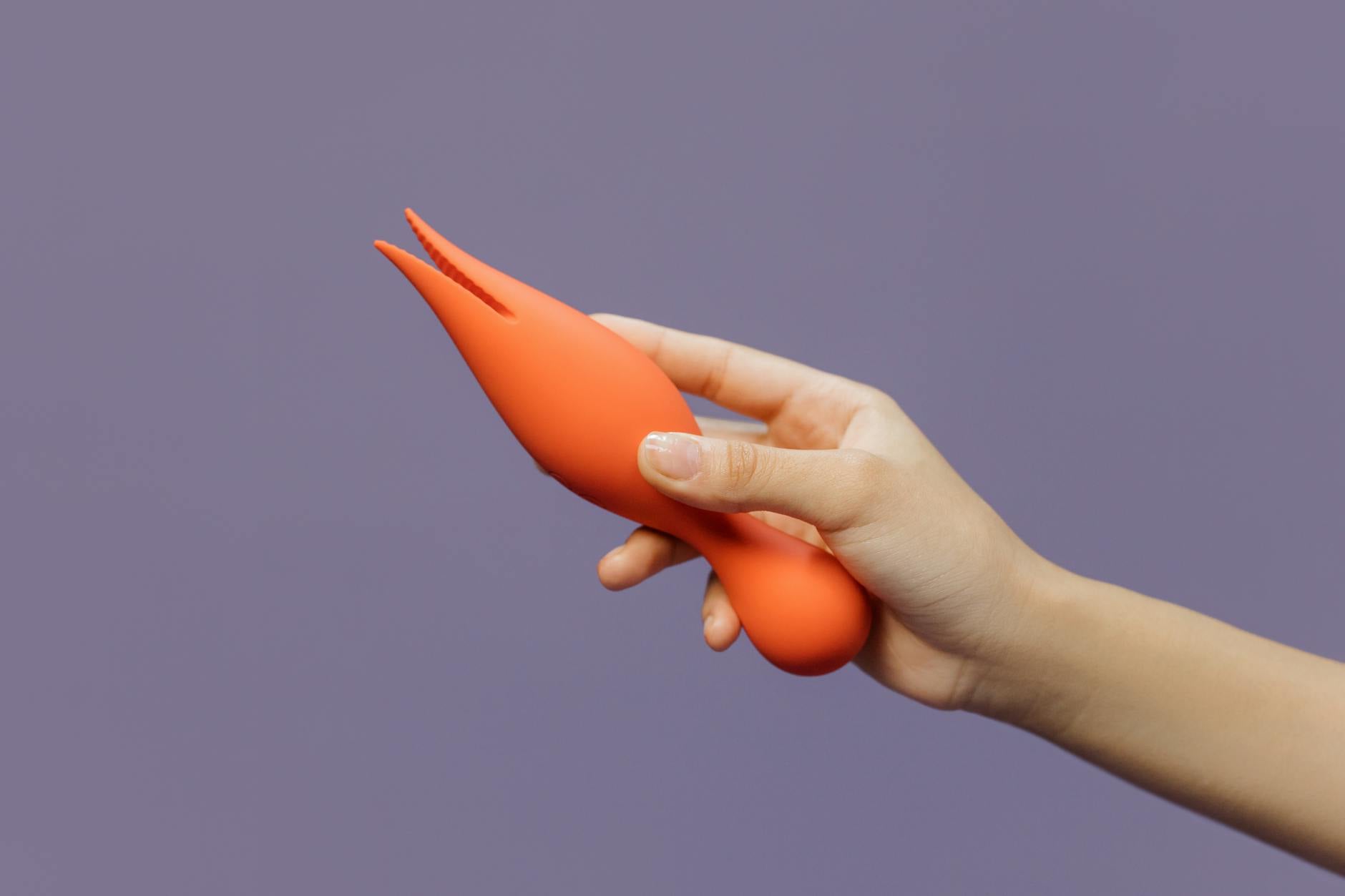
Photo by cottonbro studio on Pexels
Building sensation: intensity, rhythm, and timing
Once you feel a baseline sensation, most people want to escalate. Here's how that actually works with a lemon clitoral vibrator.
Intensity is not your main lever. Rhythm is. Many people discover that a specific pulse pattern at a moderate intensity feels infinitely better than maximum intensity with a steady pulse. Spend time with each pattern. Notice which ones create building sensation versus which ones plateau.
Timing matters too. You might need 10-15 minutes for your nervous system to fully wake up and for sensation to deepen. If you're used to quick orgasms with other toys, this can feel slow. It's not. It's different. The buildup often leads to noticeably longer or more full-bodied orgasms once you reach the finish.
Angle adjustment is subtle but powerful. Even tilting the vibrator 10-15 degrees can change which part of the clitoris you're stimulating. If one angle feels okay but not amazing, try shifting slightly left, right, up, or down. You're often just 5 millimetres away from the angle that creates a surge.
Building toward orgasm: what the final phase feels like
As sensation deepens, you'll notice your body responding with involuntary changes. Breathing accelerates. Your legs might tense in a different way than the frustrated tension we talked about earlier. This is neural feedback, not stress.
Keep the angle and rhythm steady once you find a combination that's building sensation. The instinct to keep changing things is strong, but changing patterns every 30 seconds breaks the neural momentum. Most orgasms with air-pulse toys come from consistency plus time, not from variety.
The orgasm itself often feels wider than with traditional vibrators, less peaked. Some people describe it as waves rather than a spike. Some feel it in a larger area of the body, not just the genitals. Both are completely normal and both can be intensely satisfying.
If you're not reaching orgasm after 20-30 minutes, stop and try again another day. Fatigue is real. Sometimes your body just isn't in the window. That's not failure.
Using lemon vibrators with a partner
If you're using one with someone else, communicate about what you're feeling in real time, not afterward. "A bit more to the left" is useful. "Try pattern 4" is useful. Generic enthusiasm is nice but not helpful for helping them understand what's actually creating sensation.
You can also use it during partnered penetration. Many people find that air-pulse stimulation during sex changes the quality of orgasm. This is worth exploring if that's part of your dynamic.
One important thing: if something hurts, stop immediately. Mild, pleasurable pressure is different from pain. You should never feel sharp sensations, burning, or soreness during or after. If you do, reduce intensity, take a break, and contact Hello Nancy support if the pain persists.
Caring for your lemon vibrator so it lasts
After each use, rinse the head under warm water with a tiny bit of gentle soap. Most air-pulse toys should not be fully submerged. Dry it completely before storing it. Keep it in a cool, dry place away from direct sunlight. Silicone does degrade over time if exposed to heat, so a drawer or closet is better than a bathroom medicine cabinet.
Battery care varies by model. If yours is rechargeable, charge it fully before first use and then maintain it according to the included instructions.
Common frustrations with air-pulse lemon vibrators
It feels too gentle. You've probably used high-vibration toys. This is a genuine sensory shift. Give yourself 5-10 sessions at lower intensities before deciding it's not for you. Most people's sensitivity actually increases with use.
It's loud. Air-pulse toys are generally quieter than traditional vibrators, but some people find even moderate sound distracting. This is a preference, not a problem. If you need something quieter, explore closed models or ask for recommendations.
I keep losing the seal. This usually means you need more lubricant, or you're moving the toy too much. Try reducing movement and reapplying lubricant more often.
It feels good but I'm not orgasming. Orgasm is not the only metric for good sex. That said, if you want to reach orgasm, consistency and time usually matter more than intensity. Some people also find that the first orgasm takes longer than subsequent ones in the same session.
The learning curve is real, and worth it
Lemon clitoral vibrators have a reputation for being intense or game-changing, and that's real. But they also have a learning curve that nobody talks about. You're learning how a different tool stimulates your body. That takes a few sessions.
Give yourself permission to explore without the pressure of results. The best outcomes come from curiosity, not from trying to perform a specific response.
If you want specific product guidance, we have a full buying guide for clitoral vibrators that breaks down options by sensation preference. And if you're navigating pleasure shifts at a specific life stage, why lemon vibrators feel better after 40 digs into the physiological context.
People Also Ask
What is the difference between a lemon vibrator and a regular vibrator?
A lemon vibrator uses air-pulse suction technology, which creates a rhythmic suction sensation that mimics oral stimulation. A regular vibrator moves back and forth mechanically to create vibration. Suction-based stimulation engages a wider area of the clitoris and often requires lower intensities to feel effective. Many people find the sensations feel fuller and more diffuse with air-pulse tools.
How do you use a lemon vibrator for the first time?
Start by applying water-based lubricant to your clitoris and the vibrator head to create a proper seal. Position the entire head against your clitoris and turn the vibrator on at the lowest intensity level. Don't press hard. Let the suction do the work. Spend 1-2 minutes at low intensity to understand baseline sensation before increasing speed or changing patterns. Most people feel a significant difference once they get the seal and intensity right.
Can you use a lemon vibrator inside your body?
Most air-pulse lemon vibrators are designed for external clitoral stimulation only. Some have insertable options, but check your specific product. Using it internally when it's not designed for that can damage the toy and create discomfort. If you want internal and external stimulation, pair your lemon vibrator with a separate internal toy or look for combo options.
Why do I not feel anything when using a lemon vibrator?
The three most common reasons are: you're not using lubricant (which breaks the suction seal), you're starting at too high an intensity (which can numb the nerves), or you're holding too much tension in your pelvic floor. Add lubricant, drop to intensity level 1, and take three deep breaths to release pelvic tension. Most people feel sensation within 2-3 minutes once these factors are corrected.
How long does it take to orgasm with a lemon vibrator?
Timeline varies widely, but most people need 10-20 minutes once they've found the right angle and rhythm. This is longer than some traditional vibrators, which is normal. The buildup often results in more full-bodied or longer-lasting orgasms. If you're not reaching orgasm after 25-30 minutes, your body might just not be in the window that day. Stop and try again another time.
Is it normal for a lemon vibrator to feel weird at first?
Completely normal. Air-pulse suction feels fundamentally different from vibration. Your nervous system is expecting one sensation and getting another. Most people need 3-5 sessions to adjust to the sensation and start enjoying it. This is not a sign the toy is wrong for you. It's a learning curve.
Your pleasure matters, and the right tool should feel intuitive eventually, not frustrating forever. If you're still struggling after several sessions, reach out to our team at /contact. We're here to help you find what works.