The myth that needs debunking
Let's be real: you've probably been told you're "not a multiple orgasm person." Maybe someone said it during sex. Maybe you've just assumed it about yourself after a few attempts that didn't work out. Except here's the thing. The capacity for multiple orgasms isn't rare or special. It's actually the default for most bodies with clitorises.
What IS rare? Understanding the actual mechanics of how to get there.
Why recovery time is the invisible culprit
People with clitorises have two different paths to multiples: sequential and blended. Sequential means one orgasm, rest, next orgasm. Blended means continuous or near-continuous stimulation that stacks multiple peaks on top of each other. Most conversations skip right past the recovery phase, which is where everything falls apart.
After orgasm, the clitoris becomes hypersensitive for 30 seconds to 2 minutes. Touching it directly during this window feels uncomfortable. Traditional vibrators often fail here because they're locked onto one pattern at full intensity. You have to stop, wait, and restart. By then, arousal has dropped.
This is where lemon clitoral vibrators change the game. The suction pattern on devices like the Lem doesn't rely on direct contact friction. It pulls blood to the tissue and stimulates the broader clitoral network, including the internal branches that extend several inches into the body. That means you can lower the intensity, adjust the pattern, or shift the angle during recovery without losing the sensation entirely.
The two-pattern technique that works
Here's the practical framework I recommend:
Phase 1: Build and peak. Start on pattern 1 or 2 (low intensity) and let arousal build for 5-10 minutes. When you're close, gradually increase intensity until you hit the first orgasm. Don't rush this part. The longer the build, the more responsive the tissue becomes.
Phase 2: The hold and transition. The moment after orgasm, do not stop. Instead, drop back down to pattern 2 or 3 (medium, but distinctly lower than where you peaked). Keep light contact or hover slightly. Your body is still in the heightened state. What feels too intense at normal arousal feels just right now. Stay here for 60-90 seconds. This is the bridge between orgasm one and orgasm two.
Phase 3: Secondary build. Gradually increase intensity again. The second climb is usually faster than the first. You'll notice the second orgasm often comes stronger and with less warning. Many people report the third is even more intense.
The arousal angle that most people miss
Most guides focus on intensity and speed. But honestly, angle might matter more. If you're using a lemon sexual toy with suction, the angle of approach changes what tissue gets stimulated. Some people find that shifting side to side between orgasms wakes up slightly different nerve endings. Others find a slight downward angle targets the internal clitoral structure differently.
This is not one-size-fits-all. Spend 10 minutes solo before partnered play experimenting with angle shifts. Notice what happens when you tilt the device 15 degrees versus 45 degrees. When you have language for your own body's preferences, multiples become less mysterious and more mechanical.
Breathing and pelvic floor tension matter more than you think
Here's something nobody tells you. Multiples often fail because the pelvic floor tightens progressively with each orgasm. By orgasm two, the floor is already holding tension. By orgasm three, it's a tight knot. Tense pelvic floor means blocked sensation and blocked release. The pleasure has nowhere to go.
Before you start, do a quick pelvic floor check. Can you relax it fully? Try bearing down (like you're trying to pee) and then releasing completely. If you can't fully relax, spend 30 seconds releasing it before you begin stimulation.
During the recovery phase between orgasms, consciously relax your pelvic floor again. Breathe deeply. Exhale longer than you inhale. Your nervous system reads long exhales as "safe," which actually helps arousal stay elevated. Short, shallow breathing signals threat, and your body shuts pleasure down.
One breath pattern that works: inhale for 4 counts, exhale for 6. Do this during the transition between orgasms. It keeps arousal high and pelvic floor loose.
Why lemon vibrators work better than wand vibrators for this
Wand vibrators (the larger, rumbly ones) deliver deep vibration through broad contact. They're great for one-and-done orgasms. But for multiples, the broad contact area and intense vibration make the recovery phase painful. You either need to stop completely or endure discomfort.
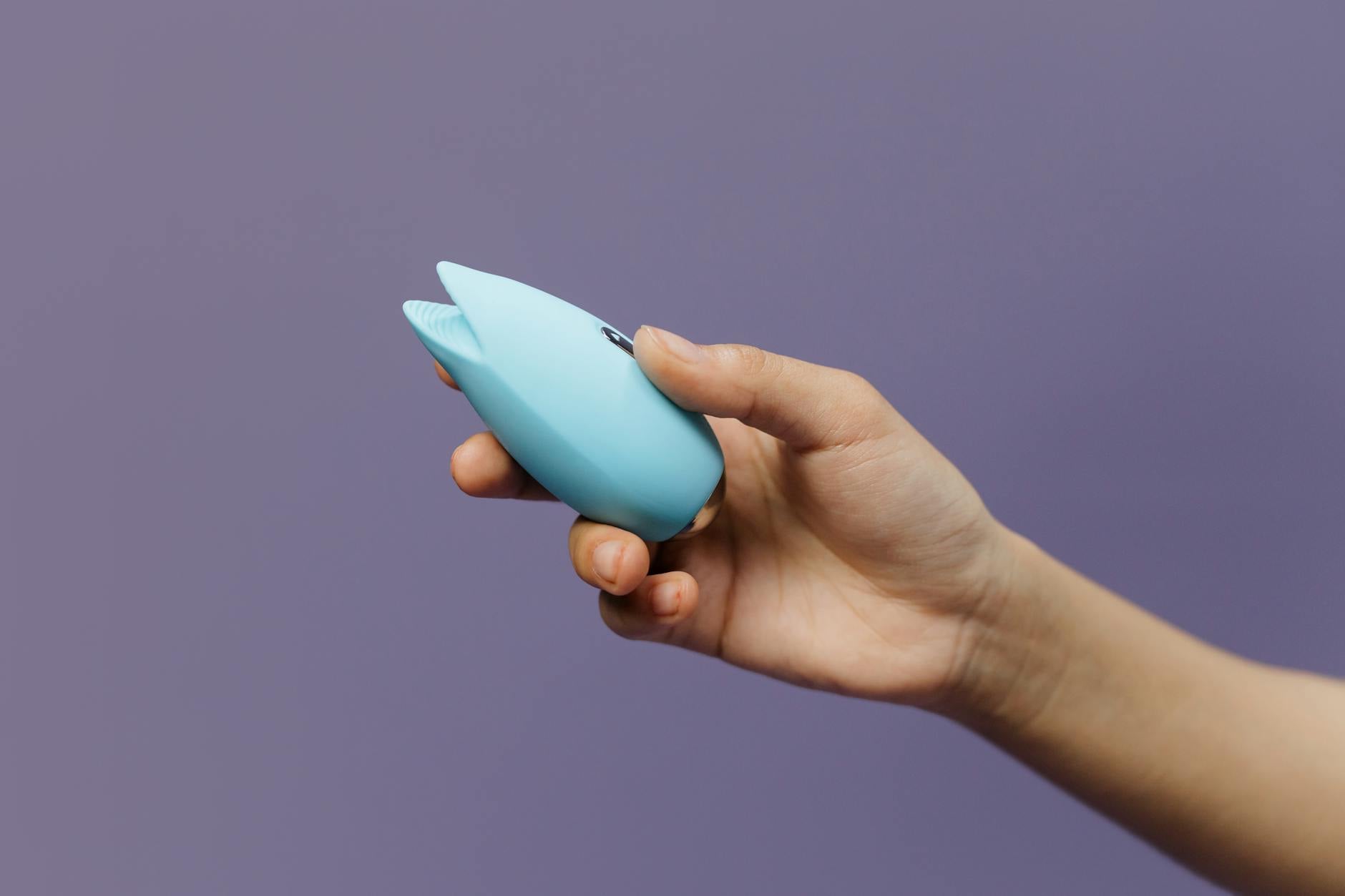
Lemon clitoral vibrators use suction and air-pulse technology. They're smaller, more precise, and the sensation is concentrated but not sharp. Critically, they give you more granular control over intensity. You can drop from pattern 7 to pattern 2 on a lemon toy and still feel stimulation. The pattern itself changes the sensation quality, not just the power.
For people chasing multiples, this precision is the difference between one orgasm and three.
The mental permission piece
Here's the part that feels obvious but actually isn't. Your brain has to believe multiples are possible for you. If you show up expecting to fail, your nervous system will oblige. It will stay in a low state of arousal. It will resist sensation. It will feel disconnected.
If you've tried before and stopped at one, that experience is now in your body. You need to deliberately override it.
One approach: commit to five solo sessions where your only goal is exploration, not results. No pressure to have one orgasm, let alone three. Just notice what happens. Notice how intensity affects recovery. Notice pelvic floor tension. Notice arousal patterns. By session five, you'll have data instead of assumption.
Once you've had even one multi-orgasmic experience, the belief shifts. Then the next time is easier.
Coming back to partnered play
Many people want to explore multiples first solo before bringing a partner in. That makes sense. You can focus on your own cues. But here's the thing: multiples in partnered sex are slightly different because you have to balance your arousal with communication.
If you've figured out your two-pattern technique solo, you can bring that knowledge to partnered play. Tell your partner what you need: "I peak, then I drop intensity but keep contact. That's when I can go for the second." Most partners actually appreciate the specificity. It removes guesswork.
If you're using lemon sexual toys during partnered sex, the same principles apply. Hand it over during foreplay, show them your technique, or use it yourself. There's no "right" way. What matters is that you both understand the goal isn't speed. It's calibration.
When it still doesn't happen
Some bodies genuinely do peak once and need real recovery time. That's not a failure. That's just anatomy. The goal isn't to force yourself into someone else's orgasm pattern. The goal is to understand your own pattern well enough to maximize pleasure within it.
But if you've never tried the two-pattern recovery technique with precision timing, you haven't actually found your limit yet. Most people haven't. They've just used the wrong tool or the wrong approach.
Lemon clitoral vibrators exist partly because they solve this specific problem. The design, the range of patterns, the intensity control. All of it is built for people who want to explore beyond one.
FAQ
How long does it usually take to have multiple orgasms?
The first orgasm takes as long as it takes. For some people, that's 5 minutes. For others, 25. The second one usually comes faster because your body is already warmed up. Most people report 5-15 minutes between the first and second, then 2-5 minutes between the second and third. After three or four, most bodies naturally want to rest.
Can you have multiples if you've never had one orgasm?
Yes, but usually you should figure out single orgasm first. Multiples are an extension of understanding your body's basic arousal pattern. If you haven't had an orgasm yet, that's a different (and equally solvable) problem. Once you have one, multiples become much more approachable.
Do you need a specific lemon vibrator or will any clitoral vibrator work?
Not all clitoral vibrators are designed the same way. Suction-based lemon vibrators work better for multiples because they offer finer intensity control and less direct contact fatigue during recovery. Traditional bullet vibrators or wands can work, but the recovery phase is harder. If you're specifically chasing multiples, a lemon clitoral vibrator like the Lem is worth the investment.
What if the second orgasm feels less intense than the first?
That's normal and actually pretty common. The first orgasm is often the peak. The second might feel shorter or less dramatic. By the third, some people report the intensity comes back. If intensity matters to you, that's fine. You're still having pleasure. But if you're chasing a specific feeling, know that the sensation often changes between orgasms rather than replicating.
Is there a maximum number of orgasms in one session?
There's no biological maximum. Some bodies can have 5, some 10, some 20. But most people naturally tap out around 3-5. After that, pleasure starts feeling flat or overstimulated. Listen to your body's signals. When sensation stops feeling good, stop.
Should you do this solo or with a partner first?
Solo is usually easier because you can focus entirely on your own cues and don't have to communicate. Once you understand your pattern, you can bring a partner in. Some people prefer partnered multiples because the emotional connection deepens the experience. Try both and see what works for you.
Next steps
If you're serious about exploring multiples, start with solo sessions. Grab a lemon clitoral vibrator, set aside 20 minutes of uninterrupted time, and run the two-pattern technique. Notice what happens. Write down what you learn about your recovery phase, your pacing, your pelvic floor patterns.
By session three or four, you'll have enough data to know whether multiples are possible for your body and what conditions make them more likely.
If you're stuck on any part of this, whether it's technique, toy selection, or just figuring out whether this is even possible for you, reach out. We're here to help you explore pleasure on your terms.