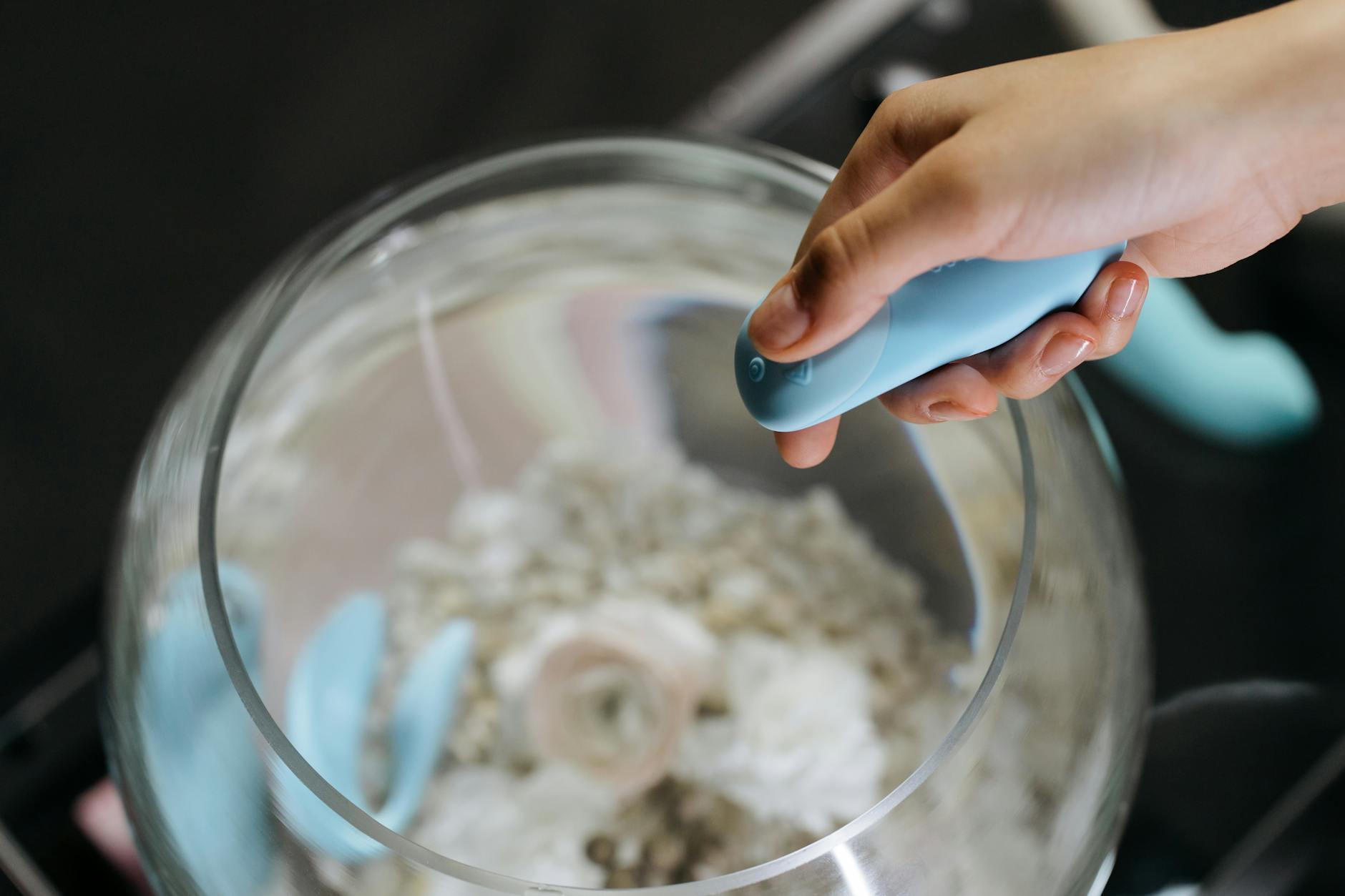
Let's start with why this matters
Trauma hijacks the nervous system. It teaches your body that sensation equals danger. Rebuilding pleasure after sexual trauma isn't about forcing yourself back to baseline. It's about rewiring safety signals in your brain so that touch, arousal, and orgasm feel like yours again.
Lemon vibrators work differently for trauma recovery than traditional toys because the suction-based stimulation creates a gentler, more controllable sensation. You're not vibrating your way to an orgasm. You're building a conversation between your brain and your body about what feels safe.
The nervous system piece nobody explains
When trauma happens, your vagus nerve and amygdala lock into protection mode. Your brain becomes hypervigilant. Touch that would normally feel pleasurable suddenly triggers the fight-flight-freeze response. This isn't a choice. It's neurobiology.
Here's what's important: this can change. Neuroplasticity means your brain can rewire those associations. But it happens slowly, with intention, and only when you have genuine control.
Lemon vibrators help because they feel less intrusive than traditional vibrators. There's no deep penetration, no aggressive buzzing. You can use them at the gentlest suction levels (patterns 1 and 2 on a Hello Nancy lemon clitoral vibrator, for instance) and build tolerance gradually. This matters more than you'd think for nervous system healing.
Start with sensation mapping, not orgasm
Forgot about orgasm for now. Seriously.
Your first goal is to reconnect with neutral and mildly pleasant sensation. This is called sensate focus, and it's the foundation of trauma recovery work.
Try this: spend 10-15 minutes once or twice a week touching your body with zero goal. No vibrator yet. Just your hands, some lotion, maybe warm light. Notice what feels safe, what feels confusing, what feels good. Keep a journal. You're mapping your own nervous system.
Once you've done that for 2-3 weeks, introduce the lemon vibrator at its lowest setting. Still no orgasm goal. You're just gathering data: Does suction feel different from buzzing? Do you trust it? Where on your body does it feel manageable?
Why control is the secret ingredient
Trauma often involves a loss of control. Rebuilding means reclaiming it in every detail.
With a lemon vibrator, you have several forms of control that traditional toys don't offer. You can start and stop instantly. The sensation is localized, not diffuse. You choose the exact pressure and rhythm. You can pause mid-session without guilt.
This is not trivial. The ability to pause, breathe, and return is what teaches your nervous system that you're safe. Each time you stop and nothing bad happens, you're rewiring the trauma response.
Set a timer for 5 or 10 minutes. Tell yourself you can stop whenever you want. Then use your lemon vibrator at the lowest setting, just exploring. If you feel triggered, stop. If you feel okay, keep going. There's no failure state here.
Pacing and the two-week rule
Trauma recovery has a speed limit. Pushing past it doesn't accelerate healing. It often retraumatizes.
I recommend my clients follow the two-week rule: spend two weeks at each "intensity level" before moving to the next. This isn't a test. It's a way of letting your nervous system catch up to what your brain is trying to do.
Week 1-2: Sensate focus, no tools. Mapping safety.
Week 3-4: Lemon vibrator at suction levels 1-2. Five to ten minutes, no orgasm goal.
Week 5-6: Suction level 3, still exploring. Notice what's shifting.
Week 7-8: Increase session length if it feels right. Maybe 15-20 minutes.
Week 9-10: Introduce variety. Different times of day, different settings in your home.
After that, you can start playing with the higher settings or orgasm if it feels natural. But most people find that slower pacing actually leads to more pleasure, not less, because your whole nervous system is on board.
Working with a partner (if you have one)
If you're rebuilding with someone, they need to understand that your pleasure is not about them, and it's not fast.
Here's what helps: tell them the two-week rule. Tell them you'll be taking your time. Ask them to check in with you (not during, but afterward) about what felt good and what felt off. Make it clear that "off" doesn't mean failure. It means data.
Some trauma survivors find that using the lemon vibrator alone first is crucial. Others feel safer introducing it with a partner present but not involved. There's no right answer. What matters is that you choose.
If your partner is struggling with the pace, consider talking to a trauma-informed sex therapist together. It's not a sign you're broken. It's a sign you're taking healing seriously.
When to bring in professional support
If you're experiencing panic, flashbacks, or a full nervous system shutdown during these sessions, pause and reach out to a trauma-informed therapist. Sexual abuse recovery sometimes needs more scaffolding than self-directed exploration.
Likewise, if you've hit a plateau after 8-10 weeks and nothing is shifting, that's useful information. It might mean your nervous system needs additional support, or it might mean you need to shift your approach.
There's no shame in this. Trauma is complex. Your body knows what it needs.
The role of breath and grounding
Your vagus nerve (the superhighway between your brain and your body) responds to breath.
Before you use your lemon vibrator, spend two minutes breathing slowly. Inhale for four counts, hold for four, exhale for six. This signals safety to your nervous system.
During the session, if you feel triggered, go back to breath. Put the vibrator down. Breathe. Notice five things you can see, four you can touch, three you can hear. This is grounding, and it works because it pulls your attention back to the present moment and the fact that you're safe.
After the session, journal for five minutes. Not about orgasm or pleasure. Just about what you noticed. What felt safe? What felt confusing? What would you do differently next time?
Pleasure is not linear after trauma
Some sessions will feel amazing. Others will feel flat or triggering. Both are normal.
Your job is not to chase the amazing sessions or shame yourself for the flat ones. Your job is to keep showing up, at your own pace, with the understanding that rebuilding takes time.
Many of my clients report that their most profound pleasure comes after they've spent months doing this slower work. Not because the vibrator is more powerful, but because their nervous system finally trusts it. And when your nervous system trusts pleasure, everything changes.
Common questions as you rebuild
Can I use a lemon vibrator if I'm still having flashbacks?
Yes, but with intention. Flashbacks mean your nervous system is still processing. That's okay. You're not broken. What matters is that you use the vibrator as a tool for building safety, not forcing pleasure. If flashbacks are intense or frequent, work with a trauma-informed therapist alongside your exploration. The vibrator is one part of healing, not the whole thing.
How do I know if I'm going too fast?
Trust your body. If you feel panicky, numb, dissociated, or "not yourself" during or after a session, you went too fast. That's not failure. That's your nervous system telling you to slow down. Pause for a week or two, go back to breath work and sensate focus without tools, then reintroduce the vibrator when you feel grounded. Slow is fast in trauma recovery.
Does trauma mean I'll never have pleasure like I did before?
No, but your pleasure will probably feel different. And that's not bad. Many survivors report that post-trauma pleasure is actually deeper because they're more present, more intentional, and more aware of what they're choosing. Before trauma, you might have been going through the motions. After healing, you're actually choosing pleasure for yourself. That's a shift worth making.
What if I can't orgasm even with the lemon vibrator?
Then orgasm isn't your goal right now. Pleasure lives somewhere between numbness and orgasm. It lives in the sensation of your own body feeling safe. If you're rebuilding, that's your focus. Orgasm will come back when it's ready. Forcing it usually makes things worse.
Is it normal to feel angry or sad when using the vibrator?
Completely. Your body might be grieving what happened. That grief is healthy. Use tissues nearby. Keep breathing. This is part of rewiring. Your body is learning that sensation can be safe and that emotions can move through you without harm. Keep going.
When should I consider working with a professional?
Consider it if: flashbacks are severe, you're dissociating during or after exploration, you feel stuck after 10-12 weeks, or you're struggling with shame around your own pleasure. A trauma-informed sex therapist or EMDR specialist can help you move through this faster and more safely. There's no prize for doing it alone.
You're rewriting your story at the nervous system level
Recovering pleasure after trauma isn't about rushing back to where you were. It's about slowly teaching your body that sensation, touch, and arousal are yours to choose again.
A lemon vibrator works for this because it meets you where you are. It doesn't demand anything. It responds to you. And that reciprocal relationship between your body and a tool is exactly what your nervous system needs to heal.
Start slowly. Respect the two-week rule. Breathe. Journal. Notice what feels safe. And if you need support, reach out to a trauma-informed therapist. Your healing matters. Your pleasure matters. And there's no timeline except the one your body sets.
If you're ready to explore with intention, reach out to Hello Nancy at /contact if you have questions about pacing, product choice, or next steps. We're here for all of it.