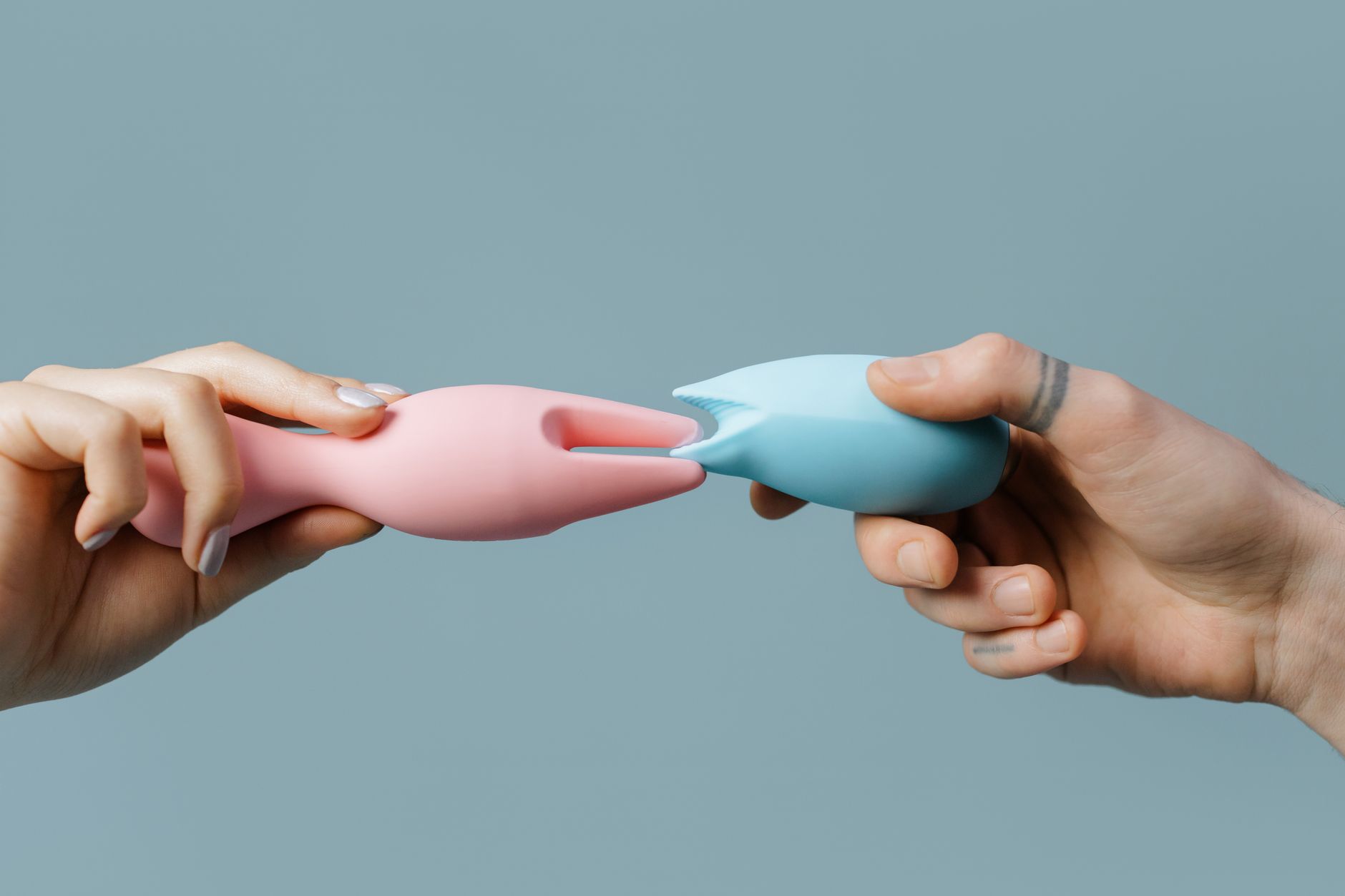
Here's the thing about communication breakdowns
When couples stop talking, they usually don't stop wanting connection. They just start looking for it in the wrong places. Resentment builds, assumptions pile up, and touch becomes the casualty. This is where a lot of couples find themselves: they can't remember the last time they felt truly close, and the thought of actually discussing it feels impossible.
What I've noticed in my practice is that pleasure can sometimes bridge what conversation can't. Not as a replacement for real dialogue, but as a gateway to it.
Why physical connection matters when words have failed
When emotional intimacy erodes, the first thing people assume is that sexual intimacy will disappear too. But sometimes the opposite happens. Sometimes pleasure becomes the one language left between two people who've forgotten how to talk.
Your nervous system doesn't distinguish between "we need to have a difficult conversation" and "I'm anxious." Both feel threatening. Pleasure and touch activate your parasympathetic nervous system. That's the part that says "you're safe now." When you're stuck in a loop of misunderstanding or hurt, that safety signal is worth more than any apology that lands wrong.
This doesn't mean lemon vibrators solve broken communication. They don't. What they do is create a space where reconnection becomes possible again.
The before: understanding what went wrong
Most communication breakdowns in long-term relationships follow a pattern. One person starts to feel unheard. They try harder to explain themselves. The other person feels attacked. They shut down. Repeat. Before long, you're both keeping score and touching each other feels charged with all the things you're not saying.
If you're in this place right now, the first step isn't reaching for a toy. It's getting honest about whether you both actually want to reconnect. Because using lemon vibrators or any intimate tool while one person is still in "I'm done trying" mode will feel extractive and resentful. So before you go further, ask yourself and your partner, separately: Do I want this to get better? If the answer is no from either side, that's important information. Respect it.
If the answer is yes, keep reading.
Starting with solo use first
If communication is broken, using a lemon clitoral vibrator together right away can feel awkward or pressured. So start alone. This serves two purposes: it reminds your nervous system what pleasure actually feels like, and it removes the performance aspect from the equation.
Spend a few days or a week with solo exploration. Use it the way you would if you were alone in your apartment. No performance, no thinking about what your partner might want. Just sensation. This reconnects you with your own body and your own capacity for pleasure. That matters because when you've been locked in conflict, you often abandon your own needs entirely.
When you know what feels genuinely good to you, you have something real to bring back to your partner. You're not asking them to guess. You're not starting from zero.
The conversation that actually works
After a few days of solo use, there's a different conversation to have. Not "we need to talk about our relationship," which probably makes you both want to vanish. Instead, something smaller: "I've been exploring something, and I'd like to try it together if you're open."
That's it. The specificity removes the threat. You're not reopening old wounds. You're proposing something tactile and present-focused.
Honestly though, expect some hesitation. If your partner has been feeling disconnected, they might worry this is a setup or a criticism. So say it plainly: "I'm not doing this because something's wrong with you. I'm doing this because I miss feeling close to you, and I want to try something that might help us both remember why we liked each other."
Using lemon vibrators as a bridge, not a destination
When you do decide to use a lemon vibrator together, the goal isn't explosive pleasure. It's touch. It's presence. It's remembering that your partner's body can still bring you relief.
Start with slow exploration. Hand the vibrator to your partner if that feels right, or show them where you like pressure and sensation. Let them guide it. The act of directing someone you trust to touch you the way you want is an act of communication in itself. You're saying "here's what I need," and they're listening.
Many couples find that this kind of touch opens something up emotionally. Sometimes tears come. Sometimes laughter. Sometimes you just feel less alone in the room than you have in months. That's the work happening. The vibrator is just the tool that makes it possible to stay present instead of retreating.
What comes next
After you've reconnected physically, actual conversation becomes easier. Not because the vibrator solved anything, but because you've reminded each other that you're on the same side. You've broken the pattern where every interaction feels like combat.
This is when you can actually talk about what broke and what you both need going forward. And here's what I tell every couple: you'll probably need to keep using lemon vibrators or other toys as part of reconnection. Not as a Band-Aid, but as a practice. A regular reminder that pleasure and presence are possible between you.
Take a look at how to rebuild intimacy after relationship conflict if you're still feeling uncertain about next steps.
The role of vulnerability
Let's be real: using a vibrator together requires showing your partner exactly what makes you feel good. That's vulnerable. You're admitting you have needs. You're admitting you've been thinking about pleasure. You're admitting you want them to be part of meeting those needs.
When communication has been broken, vulnerability feels risky. But this particular kind of vulnerability is actually safer than trying to have another argument about who said what. Your body doesn't lie. Your pleasure doesn't have an agenda. It just is.
If this still feels too exposed, start even smaller. Use the vibrator while your partner simply holds you. They don't have to do anything. They just have to be present. That's often enough to crack the wall open.
When this approach doesn't work
Sometimes physical reconnection isn't enough. Sometimes the breach of trust is too deep, or one person has checked out so far that even pleasure can't reach them. That's when couples therapy becomes necessary. A Lemon Sucker vibrator is a beautiful tool, but it's not a substitute for real help when the foundation is damaged.
If you've tried this and it still feels cold or forced, that's information. It might mean you need professional support to navigate what's actually broken. There's no shame in that. Some things are bigger than any toy can fix.
FAQ: Communication, connection, and pleasure
Can using vibrators really help a couple reconnect if they barely talk anymore?
Pleasure creates safety in the nervous system. That safety can make it easier to talk later. But it's not a substitute for actual communication. Think of it as removing one barrier so the conversation can happen. If both people genuinely want to reconnect, physical intimacy can absolutely be the first step back toward emotional intimacy.
What if my partner feels threatened by the idea of using a vibrator together?
That's common, especially if communication is already strained. Start by addressing the underlying fear: "I'm not bringing this in because I'm unhappy with you. I'm bringing it in because I want to remember what feeling close to you is like." Give them space to process. Sometimes people need time to warm up to a new idea. Respect that timeline.
Is it better to use a lemon clitoral vibrator or try something else first?
Clitoral vibrators are great because they're straightforward and focused. There's not a lot of guesswork. If your partner is already skeptical, the simplicity and proven effectiveness of a device like the Lem can feel less risky. You can explore other toys once you've rebuilt some trust and playfulness.
How do I know if we're ready to try this, or if we need therapy first?
If you can have one awkward conversation where you both agree you want things to get better, you're probably ready to try this. If you can't even get through that conversation without it turning into blame or defensiveness, therapy first. Your therapist can help you build the foundation that makes pleasure possible again.
What if we use a vibrator together and it's awkward?
It probably will be awkward. Most good things are awkward at first. You're doing something new with someone you've been distant from. Awkwardness is just the sound of change happening. Give it a few tries before you decide it didn't work. Pleasure builds when there's safety and repetition.
Can this help if we've been in a sexless phase for years?
Absolutely. Long sexless phases usually happen because touch became associated with pressure or conflict. A vibrator can reset that because it's not about performance. It's just about sensation and presence. Start with short sessions. No expectations about what should happen. Just reconnection.