The nervous system learns what it's taught
When sex hurts, your body keeps score. Pain during intimacy creates neural pathways that say "this is dangerous." Over time, anticipation alone can trigger tension. Your pelvic floor tightens. Your breathing becomes shallow. You brace for hurt that may not come. This is not a character flaw. It's biology.
Recovery is possible. But it doesn't happen by pushing through or "trying harder." It happens by slowly, deliberately teaching your nervous system that pleasure can be safe again.
Why lemon vibrators work for pain recovery
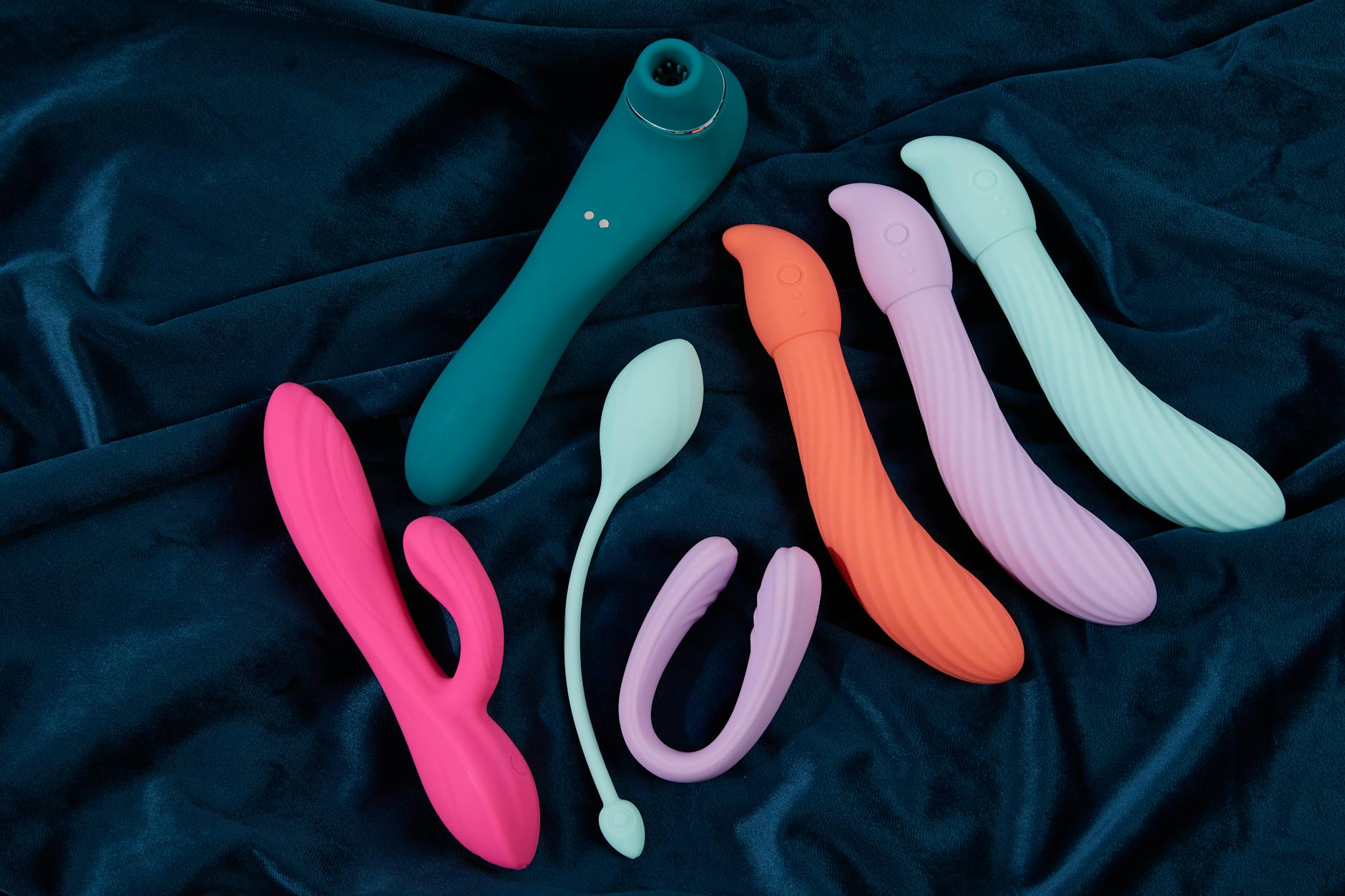
Most traditional vibrators operate at high intensity with broad contact. If your tissues are sensitized from pain, broad pressure can feel overwhelming or triggering. Lemon clitoral vibrators, including the lem vibrator, use air-suction technology that stimulates nerves with gentle, precise pressure instead of aggressive buzzing.
This matters for recovery because you need three things during healing: control, gentleness, and the ability to start small. A lemon sucker delivers all three.
The suction action stimulates without friction, which is critical if your tissue is inflamed or sensitive. You can start at the lowest intensity setting and spend weeks there without shame. Your brain learns "this feels good and I'm safe" at a pace your nervous system can tolerate.
Starting over after painful sex
Before you touch a vibrator, your first job is permission. Many people who've experienced painful sex carry shame about their body, guilt about their partner's frustration, or anger at themselves. You might feel broken. You're not.
Let me be direct: rebuilding takes time. Not weeks. Months, often. This is not failure. This is how nervous system healing works.
Here's the actual pathway.
Phase one: Reclamation (weeks 1-4)
This phase is about proving to yourself that pleasure exists outside of partnered sex. Solo exploration is nonnegotiable. Your nervous system needs evidence that touch can feel good with zero pressure.
Start with your lemon vibrator on the lowest setting (usually pattern 1 or 2) applied to your clitoris for just two to three minutes. Don't aim for orgasm. Aim for "this feels interesting." Your job is to notice sensation without judgment.
Many people find it helpful to do this in a specific context: same room, same time of day, same comfort setup. This creates a safe container your nervous system recognizes. Over two to four weeks, you're teaching your body "this specific situation is trustworthy."
If anything feels triggering, stop immediately. No pushing through. Pain during recovery is information, not a test.
Phase two: Building confidence (weeks 5-12)
Once you can spend five minutes with your lemon clitoral vibrator without tension or flashbacks, you've proven something important: you can experience pleasure. Your capacity didn't disappear.
Now you can increase duration. Try ten minutes. Experiment with patterns 2 or 3 if patterns 1 and 2 feel boring (boring is good). Notice what your body likes. The goal isn't orgasm yet. The goal is reconnection.
Many people in this phase experience their first orgasm in months, sometimes years. When it comes, it often feels subtle. That's normal. Nervous systems that have been in protection mode often rediscover pleasure quietly, not dramatically.
Let it be what it is.
Phase three: Expansion (weeks 13+)
Once you're consistently comfortable with solo pleasure, you can slowly introduce the idea of partnered activity again. I emphasize slowly. This might mean your partner is simply present in the room while you use your lemon vibrator. Or they might hold you. Or you might use it together without penetration.
See the post on using lemon vibrators during sex with a partner for specific techniques once you reach this phase. For now, the point is: every step is optional. You don't owe anyone penetration on a timeline. Ever.
Photo by FounderTips on Pexels
The physical tools that matter
Using a lemon vibrator safely during pain recovery involves three specific practices.
Lubrication, always. Water-based lube reduces any friction and signals to your nervous system "this is gentle." Use more than you think you need. Reapply often. If your tissue is raw or irritated, lube acts as a protective barrier.
Start with the lowest settings and stay there. You're not being cautious or prudish. You're listening to your body. Some people spend weeks at pattern 1 before moving higher. Others go at pattern 2 for months. This is not slow progress. This is the only progress that actually sticks.
Use a timer. Knowing you have a defined endpoint ("I'll try five minutes") is neurologically calming. Your nervous system can relax because there's a boundary. Once the timer goes off, you stop. This teaches your brain that you're in control.
Managing the emotional part
Pain during sex often lives in your mind long after the physical injury heals. You might experience flashbacks, anxiety before intimacy, or anger at partners who didn't believe you. These aren't separate from the physical recovery. They're the same process.
As you rebuild with your lemon clitoral vibrator, you might cry, feel frustrated, or dissociate. All of that is part of healing. The nervous system stores memories of threat, and those memories don't clear on a timeline.
Consider working with a therapist alongside your solo exploration, especially one trained in trauma and somatic work. Therapy and pleasure tools work together. One without the other is incomplete.
When to pause or seek help
If you're consistently triggered, unable to relax your pelvic floor, or experiencing pain even at the gentlest settings, you may need additional support. A pelvic floor physical therapist can assess whether tension patterns need hands-on treatment. A sex therapist can help you process the emotional residue of painful sex.
Neither is a sign of failure. Both are normal parts of recovery.
Likewise, if you're in a relationship and your partner is impatient, dismissive, or pressuring you to "just get over it," that relationship dynamic is part of your pain. Recovery can't happen in an unsafe container. Address that first.
FAQ
How long does it actually take to recover from painful sex?
There's no standard timeline. Some people feel dramatically different in six months. Others take two years. Variables include how long the pain lasted, whether there was trauma, relationship dynamics, and your individual nervous system. The honest answer is: as long as it takes. Rushing creates setbacks.
Can I use a lemon vibrator if sex was painful due to a medical condition?
It depends on the condition. If you have vaginismus or pelvic floor dysfunction, lemon vibrators can help as part of a broader treatment plan, but work with your physical therapist first. If pain was due to an infection or endometriosis, get cleared by your doctor before reintroducing any stimulation. Medical pain and psychological pain often coexist. You need answers on both fronts.
Should my partner use the lemon vibrator on me during recovery?
Not until phase three at earliest, and only if you explicitly want that. During recovery, a vibrator is about your autonomy and your nervous system learning to trust. Having someone else control it, even with the best intentions, can recreate the power dynamic that made sex painful. Stay in solo territory until you feel genuinely ready to share.
What if I'm too anxious to even try the lemon vibrator alone?
That's a signal to slow down further. Skip the vibrator for now. Spend a few weeks touching your own clitoris gently without any tool, under warm water, or with lube and your fingers. Prove to your nervous system that any touch can be safe. The vibrator will still be there when you're ready. Forcing it will backfire.
Is it normal to not want to orgasm during recovery?
Completely normal. Orgasm requires a certain level of nervous system safety. Some people feel like their orgasm capacity disappears entirely during healing, then returns unexpectedly. Other people orgasm easily but feel disconnected from the pleasure. All of this is part of recovery. Stop measuring yourself against what "normal" pleasure looks like and notice what's actually happening in your body.
Can I use a lemon clitoral vibrator if I'm still having pain?
Not if the pain is active and sharp. But if the pain has stopped and you're dealing with fear or tension, lemon vibrators at the gentlest setting can actually help retrain your nervous system. The distinction matters. Active pain says "stop, rest, heal." Fear-based tension says "you're safe, your body can relax." Know the difference. A physical therapist can help you identify which you're experiencing.
You're rebuilding, not starting over
Sex was part of your life before. The capacity for pleasure is still in you. Pain created a detour. That detour feels permanent while you're in it. It isn't. Your nervous system can learn again. A lemon sucker, patience, and professional support can get you there.
Start small. Stay consistent. Listen to your body. And reach out to contact our team if you have specific questions about using Hello Nancy tools during your recovery.
Your pleasure matters. Your timeline matters. You're not broken.