Here's the truth nobody tells you about antidepressants
They work. They genuinely help your mood, your sleep, your ability to function. And yes, for many people, they also flatten sensation and delay or block orgasm. That's not a side effect you're imagining. It's neurochemistry.
The good news: it's not permanent, and it's not unfixable. But fixing it doesn't mean stopping your medication or white-knuckling your way to an orgasm that won't come. It means understanding how your body has changed and adjusting how you approach pleasure.
What SSRIs and SNRIs actually do to sensation
Antidepressants (especially selective serotonin reuptake inhibitors like sertraline, fluoxetine, or paroxetine) increase available serotonin in your brain. That's the goal. But serotonin also regulates arousal, sensitivity, and the speed at which your nervous system fires during sexual response. More serotonin in some brain regions means slower arousal, reduced clitoral sensitivity, and delayed or absent orgasm in about 40-60% of people who take them.
It's not psychological. It's not that you're not attracted to your partner or yourself. It's that the chemical messenger controlling pleasure response has been deliberately dampened in your interest. That's the deal you made: steadier mood in exchange for a slower pleasure response.
The neural pathways are still there. The capacity for orgasm hasn't disappeared. The signal just takes longer to travel and registers quieter when it arrives.
Why standard vibrators don't feel like much anymore
If you were using a basic bullet vibrator or a wand before you started antidepressants, you might notice it feels muted now. That's because standard vibrators rely on you already being in a heightened arousal state to register the sensation strongly. They're designed to amplify what's already building.
When medication has dampened your baseline sensitivity, a standard vibrator feels like you're touching something with a numb hand. It's not broken. You're just not getting signal from a starting point that's lower than before.
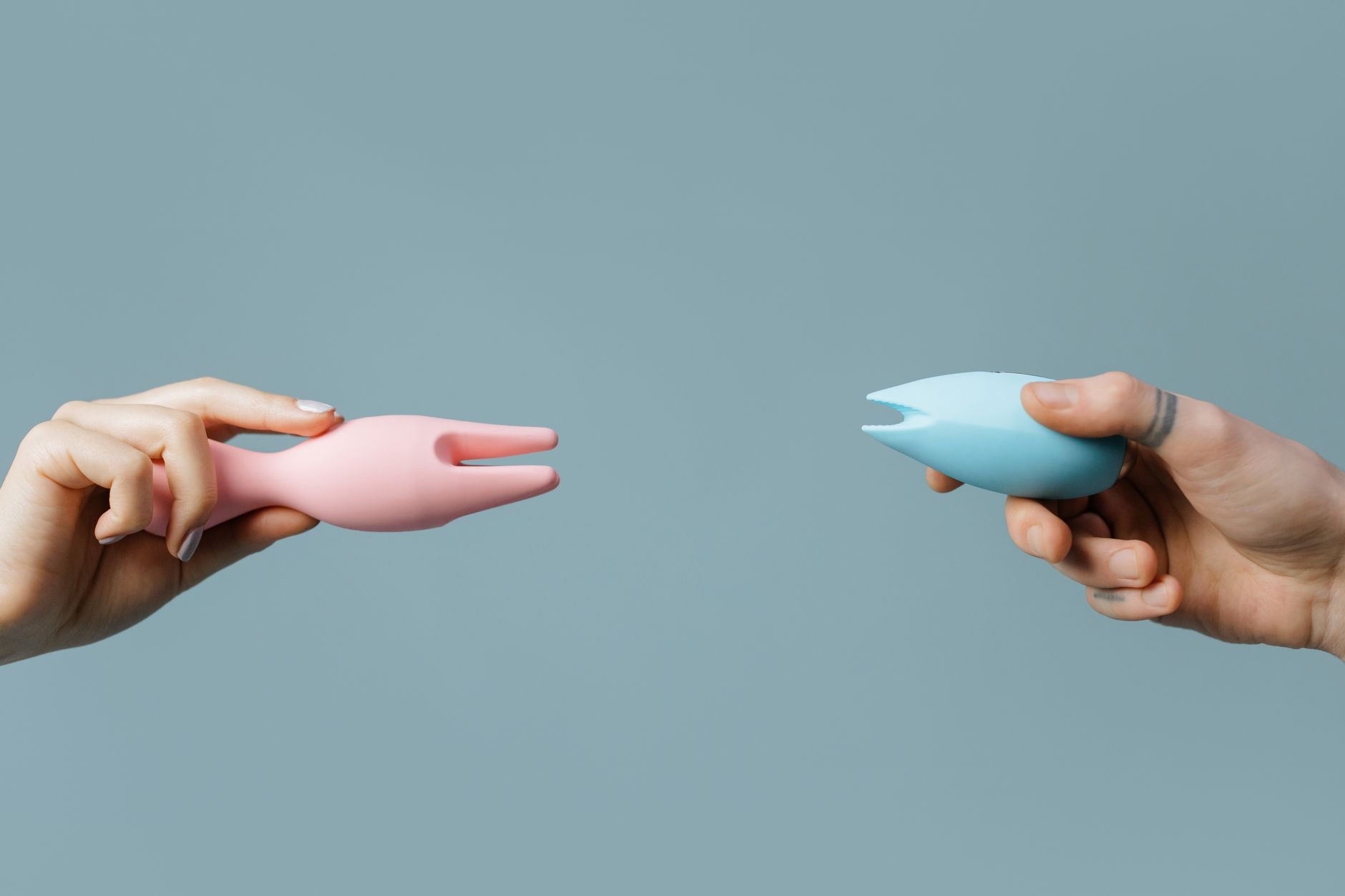
This is where lemon clitoral vibrators, and specifically their air-suction technology, change the game. Instead of pure vibration at a fixed intensity, suction stimulates the clitoral nerve endings through a different mechanism. It's not adding vibration to an already-firing signal. It's waking the signal up.
The advantage of suction technology when sensation is muted
The Lem and similar air-suction clitoral vibrators work by creating gentle pressure waves around the clitoris, rather than direct vibration against tissue. This matters when you're on medication because suction stimulates nerves through a different neural pathway than vibration alone.
Think of it this way: if your serotonin dampens the vibration signal by half, suction is a completely different conversation. It's not vibration made better. It's a distinct sensation that engages your nervous system through an alternative route.
Many people report that suction feels like something again when vibration has become background noise. That doesn't mean vibration is off the table forever. It means you're meeting your body where it actually is right now.
Starting with the right settings and rhythm
When you're using a lemon sexual toy on SSRI medication, aggressive settings backfire. Pattern 1 and 2 on the Lem should be your home base, not your warm-up. Your body isn't ignoring you. It's just asking you to let stimulation build more slowly.
Allocate 25-35 minutes for pleasure sessions, not 10. That feels long if you're used to faster response. But this is actually how your body works now. Fighting it by pushing harder intensity just creates frustration and sometimes pain from overstimulation.
Start with the lowest setting and stay there for 8-12 minutes before considering a pattern change. Let your body acclimate to the sensation. This isn't lazy or broken. This is how your nervous system is now regulated.
You're not waiting for an orgasm that won't come. You're building arousal in real time, brick by brick, instead of detonating it all at once.
Timing your sessions for your body's actual window
Antidepressants often also impact when in the day you have the most available sensation. Some people notice morning sessions feel more responsive than evening ones (especially if they take their meds in the morning and sensation peaks midday). Others find late evening, after a meal or some alcohol, creates a wider window for response.
This isn't intuitive and it's worth testing. Have two or three sessions across different times of day and track what you notice. Many people realize they've been scheduling pleasure at their body's literal lowest-sensitivity window and assuming they're broken.
Your lemon clitoral vibrator performs the same way. Your body's readiness changes. Align them.
Managing expectations without giving up
Here's what I tell clients: orgasm may not be the only useful outcome of a pleasure session right now. That sounds counterintuitive because we've been told that pleasure exists primarily to arrive at that final moment. But when medication has extended the pathway, the valuable part is often the 25 minutes of intentional touch, mental focus, and sensation that happens regardless of climax.
Some people on SSRIs do reach orgasm with a lemon vibrator. Some don't. Both are normal. The people who suffer most are the ones who decide that no orgasm equals no pleasure, and then stop trying entirely.
If you arrive at orgasm, great. If you arrive at a state of relaxation, arousal, and full-body sensation without climax, that's still a win. You're still taking care of yourself. You're still redirecting some of that neurochemical disruption toward something good.
Talking to your prescriber about alternatives
If sensation loss is severe enough that even with adjusted expectations and a lemon clitoral vibrator it's causing real distress, mention it to the doctor who prescribed the antidepressant. There are legitimate medical options.
Switching to bupropion (which has a different mechanism and often spares sexual function) is sometimes an option. Adding a second medication to counteract sexual side effects is another route. Adjusting timing (taking your dose after sex instead of before) occasionally helps. These are real conversations, not complaining.
Your mental health matters more than sex. But you don't have to choose between the two. Sometimes the right adjustment exists.
Moving forward with pleasure, not forcing it
If you've been on antidepressants for a few years and just accepted that pleasure was off the table, revisiting it with realistic tools like lemon sexual toys can unlock something. You're not trying to return to your pre-medication body. That's gone. You're learning to live in your actual body, which still wants pleasure, just on a different timeline.
This is why so many people find that air-suction vibrators work when previous toys didn't. It's not magic. It's meeting your nervous system where it actually is, not where you wish it was. That distinction changes everything.