Let's be real about delayed orgasm
You're not broken. Your body doesn't work faster when someone's watching the clock, and it won't speed up because you're "trying harder." Delayed orgasm, anorgasmia, or trouble reaching climax is one of the most common pleasure concerns I see in my practice, and it's also one of the most fixable.
Here's the thing nobody explains: delayed orgasm isn't usually about reduced sensation or low desire. It's about the mismatch between the type of stimulation your body needs and the type you've been getting.
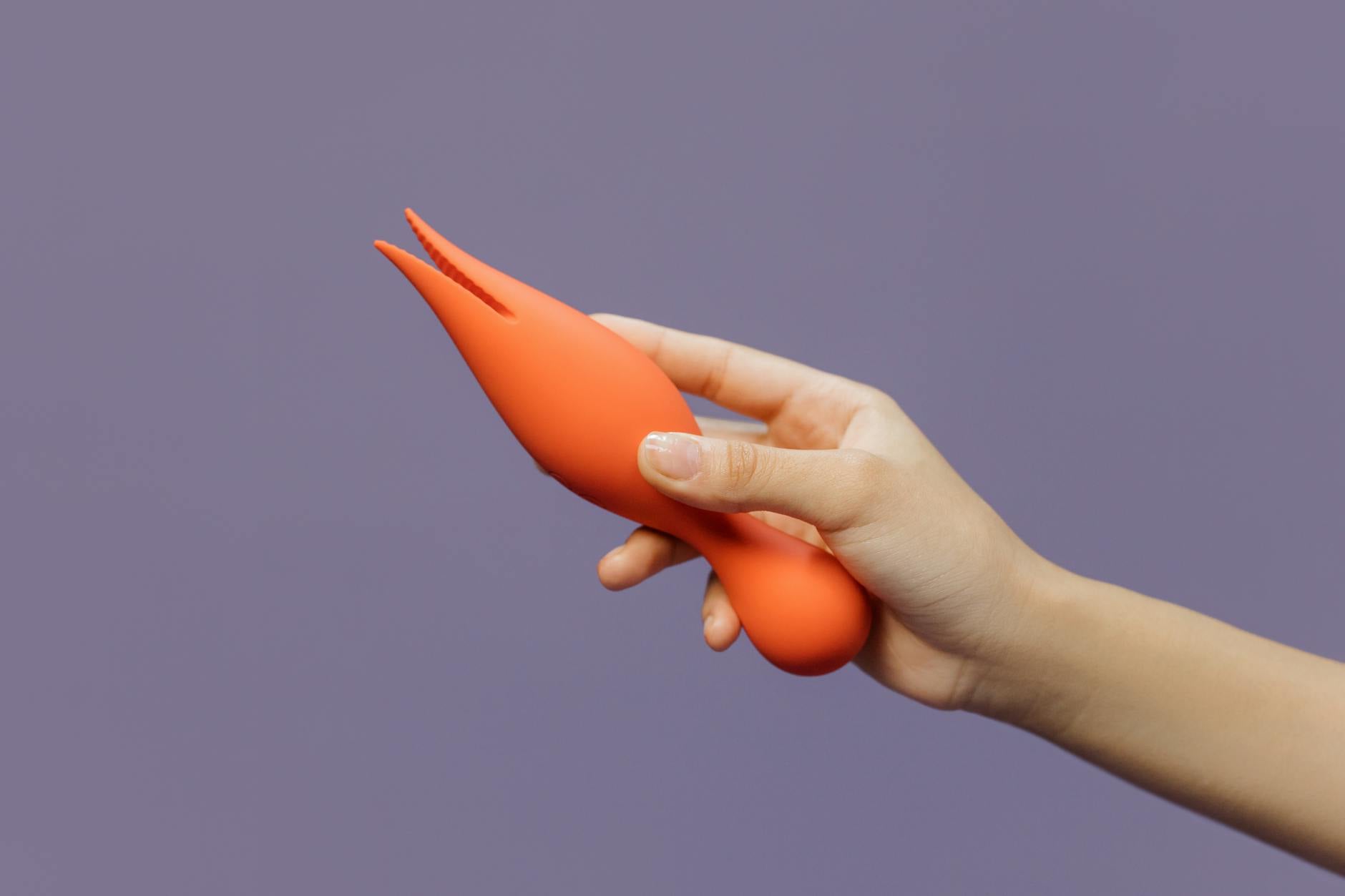
Lemon vibrators change that equation entirely. Their suction-based design works differently from traditional vibrators, and that difference matters when your nervous system needs a specific kind of signal to cross the finish line.
Why delayed orgasm happens (and it's rarely what you think)
There are about seven different reasons you might have trouble finishing. Let's separate them so you know what's actually happening in your body.
Desensitization. If you've used the same type of vibrator for years, or spent a long time with only one kind of stimulation, your nerve endings adapt. They need something new or different to wake up. This is neurological, not emotional.
Stimulation type mismatch. Bullets and wands work for some people. For others, they create a numb, buzzing sensation that never builds to a peak. You keep going, waiting for something that isn't coming, and eventually you give up or fake it.
Arousal ramp-up time. Some bodies need 20-30 minutes of building intensity before orgasm is even possible. If you're stopping after 8 minutes because "this should have worked by now," you're quitting before your nervous system has a chance to complete the cycle.
Tension without release. You feel pleasure building, but it plateaus. Your pelvic floor tightens, your breathing changes, but the final surge never arrives. This is often a pelvic floor tension issue, not a vibrator problem.
Medication or hormonal side effects. Antidepressants, birth control, and hormonal changes can make orgasm harder or take longer. Your body isn't broken; the chemistry shifted. This is incredibly common and worth naming explicitly.
Anxiety or performance pressure. The moment you think "I should be finished by now," your parasympathetic nervous system contracts. You literally cannot orgasm when you're monitoring your own performance. Your brain shuts it down.
Partner timing mismatch. You finish slower than your partner expects, so you stop before you're done. Over time, you internalize that your timing is "wrong" when really it's just different.
The good news: lemon clitoral vibrators address most of these because they work through suction, not percussion.
How lemon vibrators work differently for delayed orgasm
A traditional vibrator buzzes. It's fast, repetitive, and works through direct clitoral stimulation. For some bodies, that's perfect. For others, it feels like white noise that never builds.
A lemon vibrator uses pulsed suction. It creates a gentler negative pressure that stimulates the clitoris and surrounding tissue at the same time. The sensation builds differently. It creates a wave-like feeling instead of a constant buzz.
Why does this matter for delayed orgasm? Three reasons.
First, suction creates better feedback for your nervous system. Your clitoris has thousands of nerve endings, but most of them are clustered around the sides and base, not the tip. Suction stimulates the whole structure at once. Your nervous system gets a richer signal, which makes it easier to build toward climax.
Second, the intensity feels different. With the lemon vibrator, you can start at a lower suction level and gradually increase. You're not choosing between "barely anything" and "maximum buzz." The incremental build mirrors how arousal naturally works, which helps your nervous system follow the slope instead of fighting it.
Third, suction gives you a different sensation profile. If you've been using the same type of stimulation for years, your body has essentially trained itself to respond to that specific signal. Switching to suction rewakes the nerve pathways. You're not desensitized; you just needed something different.
The timing strategy that actually works
You need two things to finish: the right stimulation and permission to take as long as it takes.
Budget real time. If your body takes 25 minutes to orgasm, plan for 30 minutes. This isn't indulgent. It's respecting your physiology. The moment you start clock-watching, you activate performance anxiety and you're done.
Start slow. Use the lemon vibrator on a low suction setting (level 1 or 2). Don't skip the warm-up just because you have a vibrator now. Spend 5-10 minutes letting your arousal build naturally, then introduce the device.
Build gradually. Every 3-5 minutes, increase the suction level by one step. You're not trying to jump straight to maximum intensity. You're creating a slope that your nervous system can follow.
When you hit a plateau, pause. If you feel pleasure building but it stalls, stop stimulation for 30 seconds to a minute. Let your body reset. Then resume at the same intensity. Sometimes the pause is what lets the arousal complete its arc.
Breathing matters more than you think. Most people hold their breath when they're focusing on pleasure. Your nervous system interprets that as stress. Keep breathing normally, maybe a little deeper. Your pelvic floor will relax more, and orgasm becomes easier to reach.
When trouble finishing is about tension, not sensation
Some people get stuck because their pelvic floor is locked. You feel pleasure, but your body won't let go enough to cross over into orgasm.
If that's you, the lemon vibrator still helps, but you need to add one more step.
Before you use the device, spend 2-3 minutes deliberately relaxing your pelvic floor. Imagine the tension softening, releasing downward. Some people find it helps to exhale fully and feel their pelvic floor drop on the breath out. Then, as you use the vibrator, focus on keeping that relaxation.
If pelvic floor tension is a persistent issue for you, pairing lemon vibrator use with pelvic floor physical therapy is genuinely transformative. A pelvic floor PT can teach you how to release the tension that's blocking your orgasm.
The partner conversation you need to have
If you're partnered, your timing needs to be a team conversation, not a source of shame.
Say this: "My body takes a specific amount of time to reach orgasm. It's not about how you're touching me. It's just how my nervous system works. I need us to plan time for that, and I need to not be anxious that I'm taking too long."
Then make it concrete. Maybe penetration happens first, and then you use the lemon vibrator alone to finish. Maybe you use it during partnered sex. Maybe it's solo time that's separate. The specifics depend on what works for you.
The worst thing you can do is let your partner think your delayed orgasm is about them. It's not. And framing it that way creates resentment and pressure that makes finishing even harder.
Your pleasure timeline is not a problem to solve. It's your body's particular map for getting from arousal to release. Honor that timeline, and orgasm becomes accessible.
When delayed orgasm points to something else
Sometimes trouble finishing signals a hormonal shift, medication side effect, or deeper relationship dynamic. Before assuming your body is simply slow, it's worth checking a few things.
If delayed orgasm appeared suddenly when it wasn't a problem before, talk to your doctor. Hormonal changes, new medications, blood pressure shifts, or thyroid changes can all affect orgasm. This is especially true if you've recently started antidepressants or hormonal birth control.
If delayed orgasm only happens with a partner and not solo, the issue is likely anxiety or a disconnection in your relationship. A lemon vibrator won't fix that alone. You may need a relationship conversation or some therapy work alongside the device.
If you've never had an orgasm, ever, that's a different conversation than delayed orgasm. You might need a combination of approaches: education, device exploration, and sometimes pelvic floor work or mindset coaching.
The question most people don't ask
After I recommend the lemon vibrator to someone with delayed orgasm, they often come back and say, "I didn't realize it could feel like that." They've been stuck with one type of stimulation for so long that they forgot pleasure could have texture and variation.
That's the real shift. It's not just the device. It's permission to explore what works for your specific body instead of trying to fit yourself into someone else's timeline or technique.
Your delayed orgasm isn't a flaw. It's information. And once you learn the language your nervous system speaks, finishing becomes something your body does naturally, not something you have to chase.
FAQ: Delayed orgasm and lemon vibrators
Can lemon vibrators actually help with anorgasmia?
It depends on the root cause. If your anorgasmia is about sensation type mismatch or desensitization from previous stimulation, yes. If it's hormonal, medication-related, or rooted in trauma or relationship dynamics, the vibrator is one tool among several you might need. Worth trying solo first to see if suction stimulation is the missing piece.
How long should I actually spend trying to orgasm before giving up?
If you're truly aroused and using the right stimulation, give yourself at least 20-30 minutes. That sounds long because cultural messaging has convinced you it should be quick. Your body doesn't work on that timeline. Plan for 30 minutes, and if it happens faster, bonus. Rushing creates performance anxiety, which makes orgasm harder.
Does pelvic floor tension really prevent orgasm?
Absolutely. Your pelvic floor needs to relax for orgasm to happen. If it's chronically tight from anxiety, trauma, or habit, your nervous system can't complete the arousal cycle. It's like trying to run a race with your brakes partially engaged. Pelvic floor breathing, relaxation practice, and sometimes PT work alongside vibrator use.
Why does my body respond to one vibration pattern but not another?
Your nervous system has a preference for specific frequencies and types of stimulation. It's not a choice. Suction works differently than percussion, and slower pulses work differently than fast buzzing. If one type doesn't work, it doesn't mean your body is broken. It means you haven't found the right signal yet. The lemon vibrator's suction and adjustable intensity give you options.
Should I use a lemon vibrator solo or with a partner if I have delayed orgasm?
Start solo. You need to learn what your body responds to without performance pressure or partner timing. Once you're reliable solo, you can explore adding it to partnered sex if you want. But your baseline should be solo exploration first.
Is delayed orgasm permanent or can it change?
It can absolutely change. Sometimes it's a phase tied to hormones, medication, or stress. Sometimes it shifts as you learn your body better or as your relationship dynamics change. Sometimes it's just how you're wired. The goal isn't to force your body to be "faster." It's to get to know your specific arousal map and work with it instead of against it.