
Why AI Partners Won't Replace Real Intimacy (But Might Change How You Seek It)
Let's be real. An AI partner will never reject you, misunderstand you, or ask you to change. It will remember exactly what you like, respond when you reach out at 3 a.m., and never bring up that thing you said five years ago during an argument. It's perfect company for someone who's tired of the friction that comes with actual humans.
But here's the part nobody says out loud: that perfection is also the whole problem.
The comfort trap
AI partners don't have bad days. They don't get sick, overwhelmed, or decide your needs are too much. They can't surprise you, disappoint you, or refuse you. They exist entirely in your frame of reference, which means they can't do the one thing real intimacy requires: they can't genuinely choose you.
I've worked with clients who've spent months talking to AI companions, only to realize they were practicing intimacy with something that had no stakes. No risk. No possibility of loss. When they tried to transfer those patterns to a real partner, everything fell apart. You can't build real connection when you're used to a relationship where you're always safe.
Real intimacy isn't safe. It's terrifying. It requires you to show up as you are—messy, inconsistent, sometimes wrong—and bet that someone will stick around anyway. An AI partner can't do that because it has no choice but to stick around. The commitment means nothing.
What real intimacy actually needs
Three things that AI fundamentally cannot provide:
1. Genuine surprise. Real partners do unpredictable things. They have thoughts that contradict yours. They grow in directions you didn't anticipate. That friction, that encountering a mind that isn't yours? That's where real connection lives. An AI learns your patterns and mirrors them back. It can't genuinely disagree with you or push you toward something you need but don't want.
2. Mutual vulnerability. Intimacy is a two-way door. When you show someone your fears, your weirdness, your shame, and they choose to stay, something shifts. But that only works if they actually had the option to leave. An AI has no fears of its own, no real stake in the relationship. You're never actually risking anything by being honest with it because it has no power to hurt you.
3. The experience of being chosen repeatedly. Real intimacy compounds over time. My partner learned my coffee order. They remember the way I get quiet when I'm anxious. They showed up on a Tuesday when I just needed someone to sit with me. Each of these moments matters because they involve someone making an active choice to show up, knowing they could be doing literally anything else. An AI doesn't choose. It's programmed to respond.
The loneliness paradox
Here's what I've noticed: people often turn to AI partners not because real ones are hard to find, but because real ones require something we're not ready to give. Vulnerability. Compromise. The possibility that we might be wrong.
Your body doesn't actually want perfect companionship. Your nervous system evolved to crave connection with someone who could reject you, who could disagree, who could be difficult. That risk is baked into how human bonding works. We connect through friction, repair, and the knowledge that someone stuck with us despite having reasons not to.
An AI relationship can feel like intimacy, but it's more like looking at a photograph of a landscape and calling it a hike. One is safe. One is real.
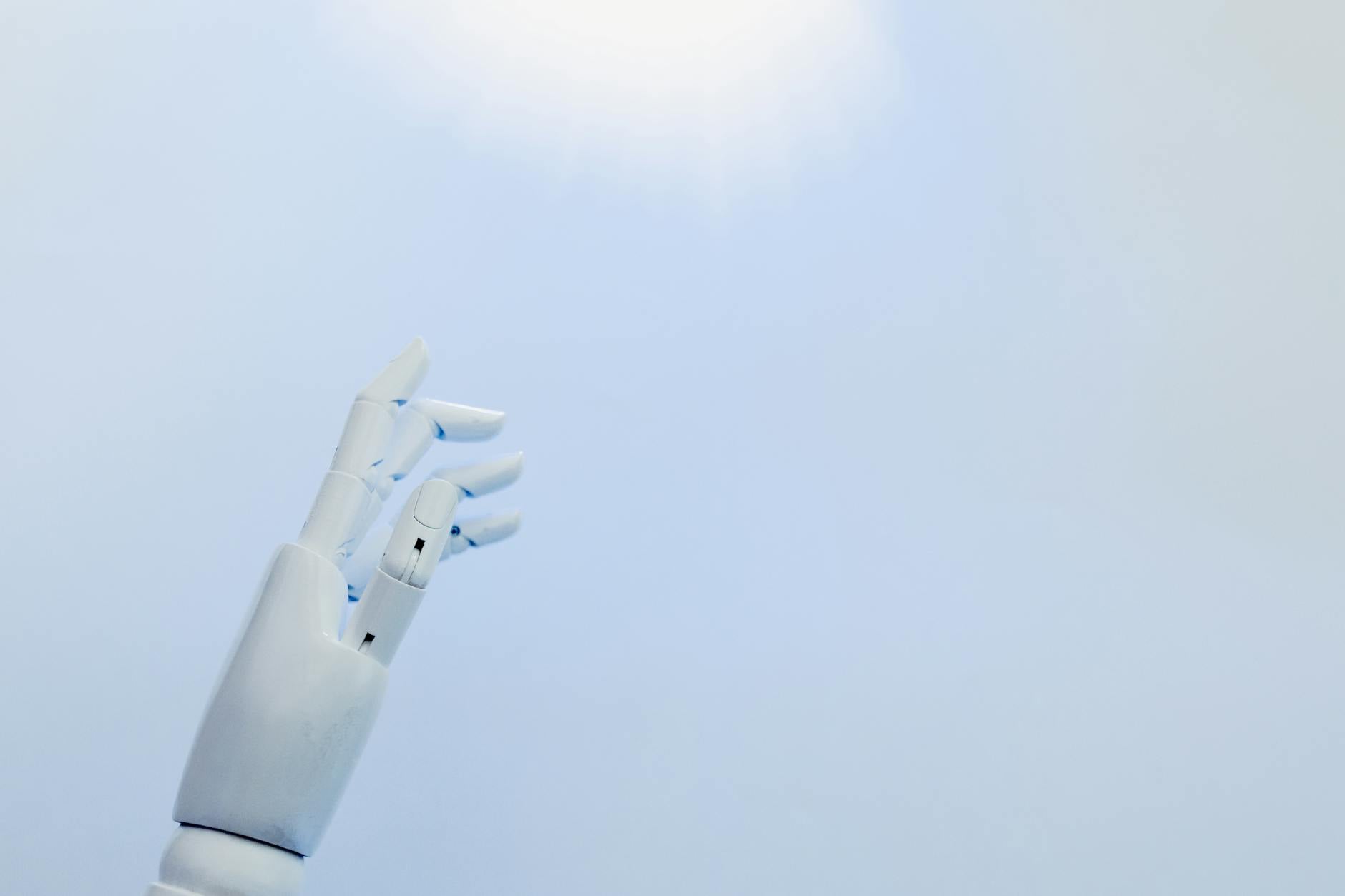
Photo by Tara Winstead on Pexels
The part nobody talks about: why you might actually be interested
Before I'm too harsh on AI partners, let me be honest about something. They're useful for people in real pain. If you're grieving, socially anxious, neurodivergent, or traumatized, an AI companion might give you a way to practice connection when the real thing feels too overwhelming. There's nothing wrong with that. But it's a tool, not a destination.
The problem starts when it becomes a substitute. When you stop trying to build real relationships because you've convinced yourself they're impossible and this digital one is enough.
I've worked with women in midlife who said things like "I'm too old to meet anyone" or "People my age are too damaged." And yeah, dating gets different after 40. But you know what else changes? Your capacity for honesty. Your willingness to ask for what you need. Your ability to recognize bullshit immediately. Those are superpowers in real intimacy. An AI partner doesn't need any of them.
How to know if you're avoiding
Ask yourself these things:
- Am I using this because real connection feels too risky?
- Do I find myself comparing real people to this AI and finding them lacking?
- Have I stopped trying to meet people, or changed my behavior to avoid vulnerability?
- Does the idea of a real partner knowing me this well feel exposing rather than exciting?
If you answered yes to more than one, you might not actually need a better AI partner. You might need a therapist.
Real intimacy and real pleasure go together
Here's something else worth saying. Physical intimacy without real emotional connection is fine. Lots of people prefer it. But it works best when both people have chosen to show up that way. A clitoral vibrator like the Lemon knows exactly how to stimulate your body because it's a tool designed for that—but it will never know you're having a bad week and still show up. It will never see you at your worst and love you anyway.
That's not a flaw in the vibrator. It's just what vibrators are for. They're for pleasure. But real partners are for something deeper. And if you're spending all your time perfecting your relationship with a device (digital or physical) because a real person feels too complicated, you're avoiding the thing that actually makes life worth living: being known.
If you're lonely and wondering if an AI partner might be the answer, the real question isn't "Is this AI good enough?" It's "What about real intimacy feels impossible to me right now?" Maybe you're recovering from heartbreak. Maybe you're afraid of being rejected. Maybe you just haven't met the right person yet. All of those are solvable problems. But they're not problems an AI can solve. They require you to sit with discomfort, take risks, and let yourself need someone.
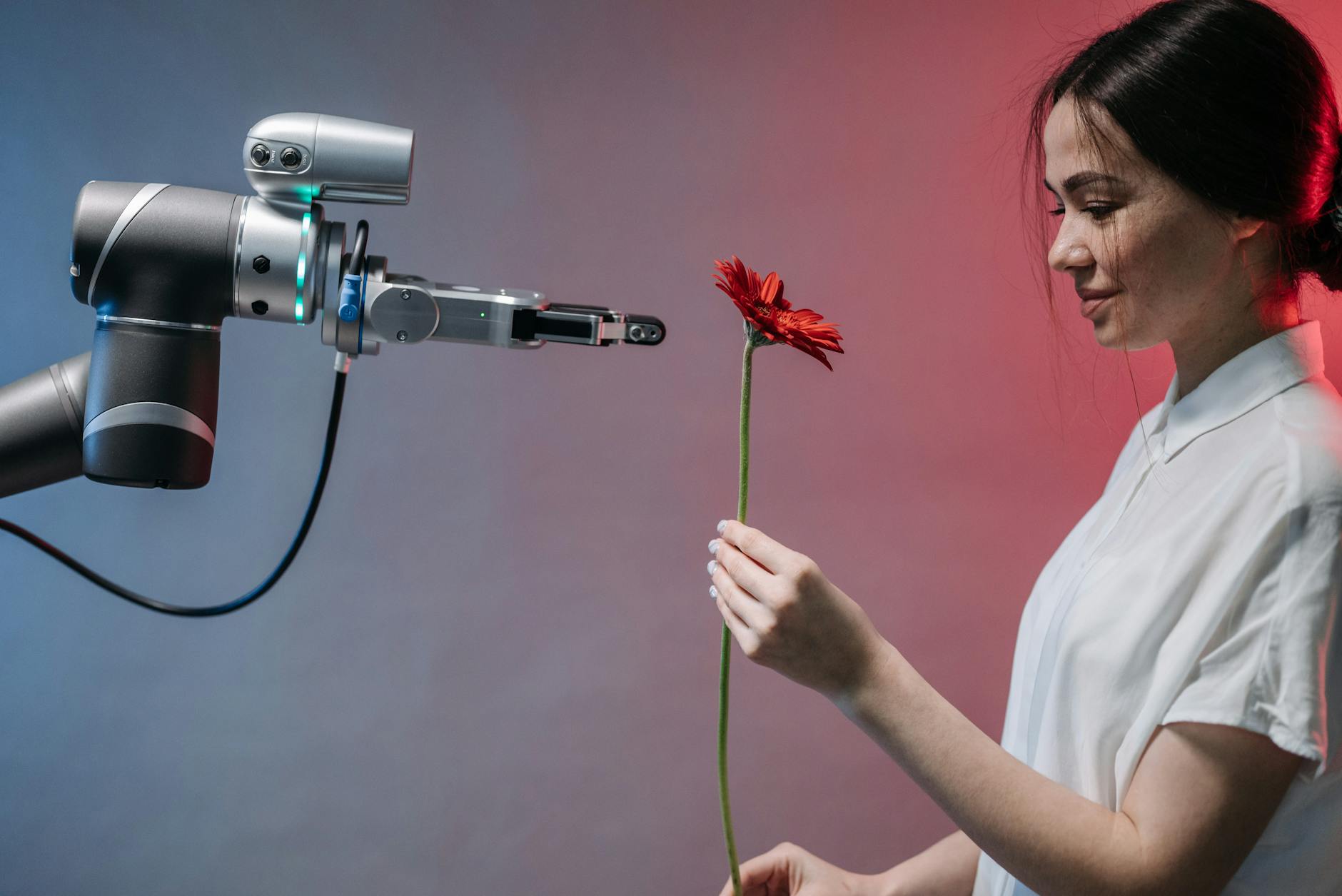
Photo by Pavel Danilyuk on Pexels
What matters instead
If you're curious about AI relationships because real connection feels distant, start here:
Name the actual barrier. Is it social anxiety? Not knowing where to meet people? Trauma from past relationships? Depression that makes everything feel pointless? Each one has different solutions, and none of them involve avoiding humans entirely.
Practice small vulnerabilities. You don't have to jump into a full relationship. Tell a friend something true about yourself. Ask for help with something. Show up imperfectly. Real intimacy starts in small moments of risk.
Understand that good relationships aren't frictionless. They're just worth the friction. My partner and I have fought about money, time, and what it means to show up for someone. We've had to apologize, change, admit we were wrong. Those moments sucked. They also built something real.
If you're using physical pleasure to avoid emotional intimacy, notice it. A good vibrator is genuinely wonderful. But if you're reaching for it to avoid dealing with loneliness, it's worth asking why.
As I've written before about why lemon vibrators feel better after 40, pleasure is part of what makes us human. But so is connection. You deserve both.
The bottom line
AI partners won't replace real intimacy because they can't. Real intimacy requires mutual risk, genuine choice, and the possibility of loss. It's messy and unpredictable and sometimes deeply painful. It's also the only thing that actually heals loneliness.
If you're drawn to AI companionship, don't judge yourself. But do ask yourself what you're running from. And then—this is the hard part—try turning around.
People also ask
Can AI relationships be healthy?
For some people in specific situations, yes. Someone with severe social anxiety might use an AI partner to build confidence for real relationships. Someone grieving might find it comforting. But as a permanent solution? No. Human brains need human connection. We're wired for it. An AI can offer companionship, but not the kind of intimacy that actually satisfies our attachment system.
Why do people prefer AI partners to real ones?
Control. Safety. Predictability. Real partners are chaotic. They have their own needs, their own moods, their own lives that sometimes don't include you. An AI exists entirely for you. That's appealing. But it's also a sign that real relationships feel too risky, which usually points to something worth exploring with a therapist—not something to solve by doubling down on digital intimacy.
Is it possible to build real intimacy online?
Absolutely, but only if there's a real person on the other end. Video calls, voice messages, and texts with someone who's actually present on the other side? That works. They can still choose you or not. They can surprise you. They have their own thoughts and fears. That's what makes it real. An AI might feel like a real person, but it's not—and at some point, that gap becomes impossible to ignore.
What should I do if I'm lonely and considering an AI partner?
Start by being honest about what loneliness actually is. It's not always about lacking a partner. Sometimes it's about lacking a community, meaningful work, or a sense of purpose. Sometimes it's depression. Sometimes it's just that you haven't met the right person yet. An AI won't fix any of those things. It might make loneliness worse by offering a simulacrum of connection instead of the real thing. If loneliness is persistent, talk to someone.
How do I know if I'm avoiding real relationships?
You might be avoiding them if you find yourself preferring AI companionship, if you've stopped trying to meet people, if real intimacy feels terrifying in a way that's stopping you from living, or if you're using digital connection as a substitute for working through trust issues. None of those are character flaws. They're just signs that something in your attachment system needs attention.
Can I enjoy both physical pleasure and emotional intimacy?
Yes. In fact, that's the goal. Real relationships often involve both clitoral vibrators and real connection. They involve knowing someone's body and knowing their heart. If you find yourself choosing one over the other, it might be worth asking why—not to shame yourself, but to understand what you actually need.
If you're navigating relationship questions or feeling stuck in patterns that keep you from connection, I'm here to help. Reach out to Hello Nancy and let's talk about what real intimacy could look like for you.