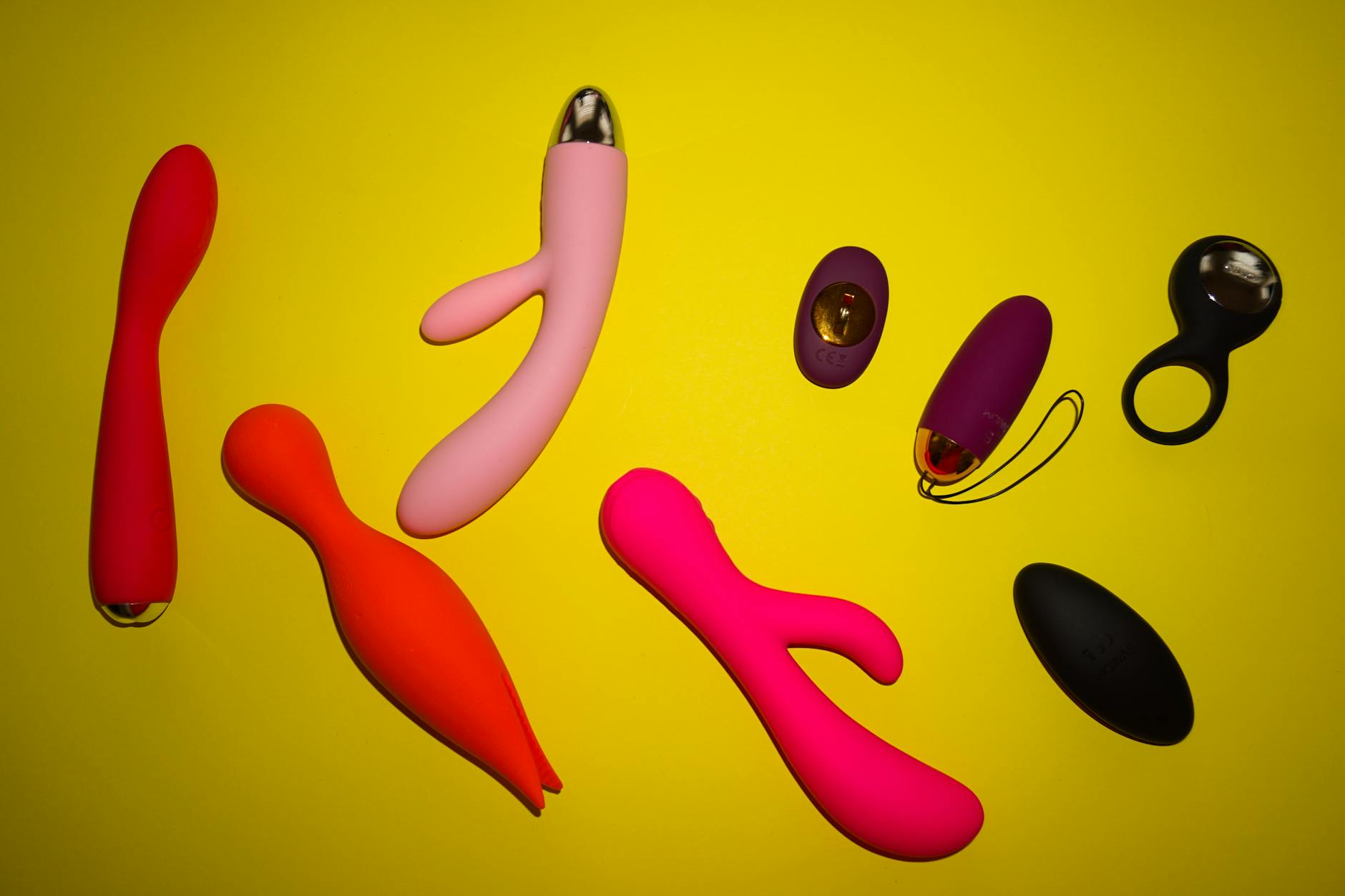
Let's talk about the material you're actually ignoring
You buy a vibrator. It feels good for the first three minutes. Then your skin starts to feel tight, itchy, or slightly raw. So you stop using it and assume your body is just "too sensitive for toys." Here's what's actually happening: you've got a material sensitivity, not a pleasure sensitivity. Totally different problem.
Most traditional vibrators are made from porous plastics, jelly rubber, or coatings that trap bacteria and break down easily. Lemon clitoral vibrators, by contrast, use medical-grade silicone that doesn't irritate reactive skin. The shape matters too, but the material is what makes the biggest difference for anyone with sensitive skin.
Why silicone changes everything
Medical-grade silicone is non-porous, hypoallergenic, and doesn't leach chemicals into your skin. It also doesn't degrade over time the way cheaper plastics do, which means it stays safe and smooth for years. When manufacturers cut corners on material, they cut your comfort.
Lemon vibrators use pure silicone construction throughout, which matters because even small amounts of porous material touching sensitive skin can cause delayed reactions. You might notice the irritation hours later, which makes it hard to connect the symptom to the cause.
Other vibrator types often mix materials. A silicone body with a rubber seal, or a plastic handle with a silicone tip. Those junction points trap moisture and bacteria, and they're where irritation typically starts. Lemon design eliminates those problem zones entirely.
The suction mechanism actually reduces friction irritation
Here's something most people don't realize: the way a vibrator stimulates your skin affects sensitivity. Traditional vibrating toys use direct contact, which means continuous friction against the same spot. This is especially intense for people with vulvar vestibulitis, contact dermatitis, or even just naturally reactive skin.
Lemon clitoral vibrators use air-suction technology instead of pure vibration. This creates a gentle pulsing sensation that doesn't rely on constant friction. The mechanism pulls rather than pounds, which significantly reduces skin contact stress. For sensitive skin, this is the difference between uncomfortable and actually enjoyable.
The suction also means you can use the toy without as much direct pressure. Lower intensity settings give you the stimulation you want without the skin irritation that comes from high-vibration direct contact.
Lubricant compatibility matters more than you think
Not all vibrators play nicely with all lubricants. Porous toys absorb water-based lube and get sticky. Some silicones react unpredictably with silicone-based lubes. If you've got reactive skin, lubricant incompatibility can actually make irritation worse.
Lemon vibrators work seamlessly with both water-based and silicone-based lubricants without degrading. Water-based lube adds a protective layer between your skin and the toy, which is essential when you're dealing with sensitivity. The fact that lemon toys don't break down in the presence of lube means you can use as much as you need without worrying about the material itself becoming a problem.
For sensitive skin, this flexibility is huge. You're not locked into one lubricant type. You can experiment to find what works best for your body without the toy itself becoming damaged or reactive.
Temperature sensitivity and how lemon toys help
Silicone holds temperature more evenly than plastic or jelly rubber, which actually helps with sensitive skin. Cheap vibrators can have hot spots where the motor generates extra heat, or cold spots where the material is thinner. Those inconsistencies irritate reactive skin.
Medical-grade silicone distributes heat evenly, which means no surprise hot spots and no jarring temperature changes against your skin. You can also warm a lemon vibrator gently under warm water before use, which some people with sensitivity find more comfortable than room-temperature toys.
The even temperature distribution also means the toy doesn't feel shocking or strange against your skin, which can sometimes trigger an irritation response even if the toy itself is safe.
When you should suspect a material allergy instead of toy sensitivity
If you've tried multiple vibrators and always get itching, redness, or rawness within 30 minutes of use, you might have a material allergy rather than general sensitivity. Common culprits are latex (in rubber toys), phthalates (in cheaper plastics), and certain lubricant additives.
A material allergy typically shows up as localized redness, itching that gets worse after use rather than during, or a mild allergic rash that spreads. General sensitivity from friction usually shows as soreness or raw feeling that improves with rest and less intense stimulation.
If you think you have a material allergy, switching to a medical-grade silicone lemon vibrator is a sensible next step. If that still causes problems, the issue might be with a specific lubricant or with an underlying skin condition like vulvodynia that deserves dermatological evaluation.
How to use lemon vibrators safely with reactive skin
If you're starting with sensitive skin, begin with the lowest intensity settings. This isn't a compromise—it's actually closer to how your body responds best. Sensitive skin often responds more dramatically to gentler stimulation than to aggressive intensity, which means you might actually experience more pleasure at lower settings.
Warm up longer before introducing the toy. Rushing into stimulation when you haven't had adequate blood flow and natural lubrication makes irritation more likely. Spend 10-15 minutes with foreplay or manual touch before using any toy.
Use more lubricant than you think you need. Water-based lube creates a protective barrier between your skin and the toy material. This isn't just about glide—it's active protection for reactive skin. Reapply during use if it dries out.
Listen to your body's timeline. If mild redness appears after 20 minutes of use, stop there. Your skin is telling you something. Gradually build up to longer sessions as your body adjusts. Some people with sensitive skin need a day or two between uses while others acclimate quickly.
Clean thoroughly after every use. Even medical-grade silicone can trap dead skin cells and bacteria if not properly cleaned. Use warm water and a toy-specific cleanser, or a gentle antibacterial soap. Dry completely before storage.
The connection between material safety and actual pleasure
Here's what I see most often: people with sensitive skin stop using toys altogether because they assume their bodies reject all toys. Then they miss out on sensations and intimacy they actually want. The real issue is almost always material, not capacity.
When you use a toy made from materials your skin actually tolerates, pleasure becomes the focus instead of discomfort. That's when you discover whether you actually like this thing, or whether you were just reacting to irritation. For most people, the answer is they love it once the irritation disappears.
Lemon clitoral vibrators solve the material problem. What you do with that comfort—how you use the toy, how you integrate it into partnered or solo play, what intensity works best for you—that's personal. But the material foundation has to be right first.
FAQ: Sensitive skin and lemon vibrators
Can you use a lemon vibrator if you have vulvodynia?
Vulvodynia involves chronic pain in the vulvar area, and it requires careful tool selection. Medical-grade silicone is safer than porous materials because it doesn't irritate further, but the air-suction mechanism of lemon vibrators is gentler than traditional vibration. Many people with vulvodynia find they tolerate lemon toys better than other options, but you should start with the absolute lowest intensity and discuss toy use with your gynaecologist first. Pain conditions are individual, and what works for one person might not work for another.
What's the difference between "hypoallergenic" claims and actual medical-grade silicone?
Hypoallergenic is a vague marketing term with no legal definition. Medical-grade silicone has actual standards and testing behind it. Real medical-grade silicone is biocompatible, meaning it's been tested to ensure it doesn't cause allergic reactions or toxic responses. Cheap toys labeled "hypoallergenic" often aren't actually tested. When you buy from Hello Nancy, you're getting actual medical-grade silicone, not a marketing claim.
How do you know if it's the toy material or the lubricant causing irritation?
Test them separately. Try the toy with a different lubricant first. If irritation stops, the lube was the problem. If it continues, the toy material is likely the issue. You can also test the lubricant on a small patch of skin elsewhere to see if you react to it in general. Some people are sensitive to glycerin in water-based lubes, while others react to silicone-based formulas. Narrowing it down takes patience, but it's worth it.
Can sensitive skin get used to toy materials over time?
Sometimes. Your skin can acclimate to medical-grade silicone with repeated gentle use, especially if you're maintaining good hygiene and using adequate lubricant. But your skin will not acclimate to porous materials or cheap plastics—those get worse with time because the material itself degrades. If you're using the right material and irritation continues past the first few uses, the material itself might not be compatible with your particular skin chemistry.
What happens if you use a lemon vibrator and still get irritated?
If medical-grade silicone causes irritation, your sensitivity might be to vibration itself rather than the material. Try longer warm-up time, even more lubricant, or shorter sessions. If that doesn't help, you might benefit from manual stimulation or partnered touch instead of toys. There's no shame in that. Some people's nervous systems just don't prefer toy-based stimulation, and that's information worth having. You could also consult a sex therapist or pelvic floor physical therapist to rule out underlying muscle tension or other factors.
Is lemon vibrator sensitivity different from sensitivity to wand vibrators?
Yes. Wand vibrators create broad, powerful vibration across a larger surface area. Lemon clitoral vibrators create focused suction on a smaller area. If wand vibrators irritate you, lemon toys might feel completely different. The concentrated suction approach tends to be gentler for sensitive skin, but some people find the opposite—they prefer the broader contact of a wand. You won't know until you try, but starting with a lemon vibrator if you have reactive skin is statistically a smart bet.
The bottom line
Sensitive skin doesn't mean you can't use vibrators. It means you need to choose materials carefully. Lemon vibrators are designed with medical-grade silicone and a gentler suction mechanism that makes them ideal for reactive skin. The investment in a quality toy with the right material pays off immediately—you go from uncomfortable and frustrated to actually enjoying yourself.
If you've written off vibrators because of past irritation, this might be the moment to reconsider. Your skin deserves tools that work with it, not against it. That's not a luxury. That's basic self-care.
Have questions about whether a lemon vibrator is right for your specific skin situation? Reach out to Hello Nancy. We're here to help you find what actually works.
Resources & further reading
For more on toy use and body sensitivity, explore our guides on how often you should use lemon vibrators and the complete breakdown of lemon vibrator sensitivity. If you're considering switching from traditional toys, our post on transitioning from wand vibrators to lemon clitoral vibrators walks through the process step by step.