Let's be real about perimenopause and pleasure
Your forties hit different. Somewhere between irregular periods and nights where you wake up drenched in sweat, you notice something else has shifted too. Arousal takes longer. Sensation feels muted. Orgasms might happen but they feel softer, less urgent, sometimes weirdly distant from your body. You're not broken. Your hormones are just in transition, and your nervous system is responding to that shift in exactly the way it should.
The problem is that nobody explains this clearly. Most conversations about menopause and pleasure skip over the early stuff entirely. Perimenopause is the long, messy middle chapter that lasts four to ten years. It's where the real frustration lives, because your body is changing but you're not ready to throw in the towel. This is exactly when lemon clitoral vibrators become less of a luxury and more of a practical tool that actually accounts for what's happening.
What's actually happening to sensation right now
Okay, so estrogen doesn't just control your cycle. It controls tissue thickness, blood flow, and how quickly your nervous system responds to stimulation. As you move through perimenopause, estrogen levels don't drop smoothly. They bounce around. One month your clitoris feels super responsive. Three weeks later it feels like you're working harder for the same result. That's not your imagination and it's not a sign you're losing desire. It's biochemistry.
Your pelvic floor is also affected. Estrogen keeps those muscles supple and strong. As estrogen fluctuates, that tissue gets less support. Your arousal pathway is still there, intact and functional. But the route to get there feels different. Sensation might feel more internal and less superficial. You might notice you need a different kind of pressure than you needed at thirty-five.
Here's what doesn't change. Your clitoral nerve endings don't disappear. Your brain's capacity for pleasure doesn't diminish. The pathways that create orgasm still exist and often, they become more nuanced. Many people I work with report that the orgasms they have in their late forties and fifties are the most intense and psychologically satisfying of their lives.
Why lemon vibrators work better during perimenopause
Most vibrators create pleasure through repetitive friction or traditional buzzing. That works fine when your clitoral tissue is thick and your nerve endings are densely responsive. During perimenopause, you need something that adapts to changing sensation without requiring you to change yourself.
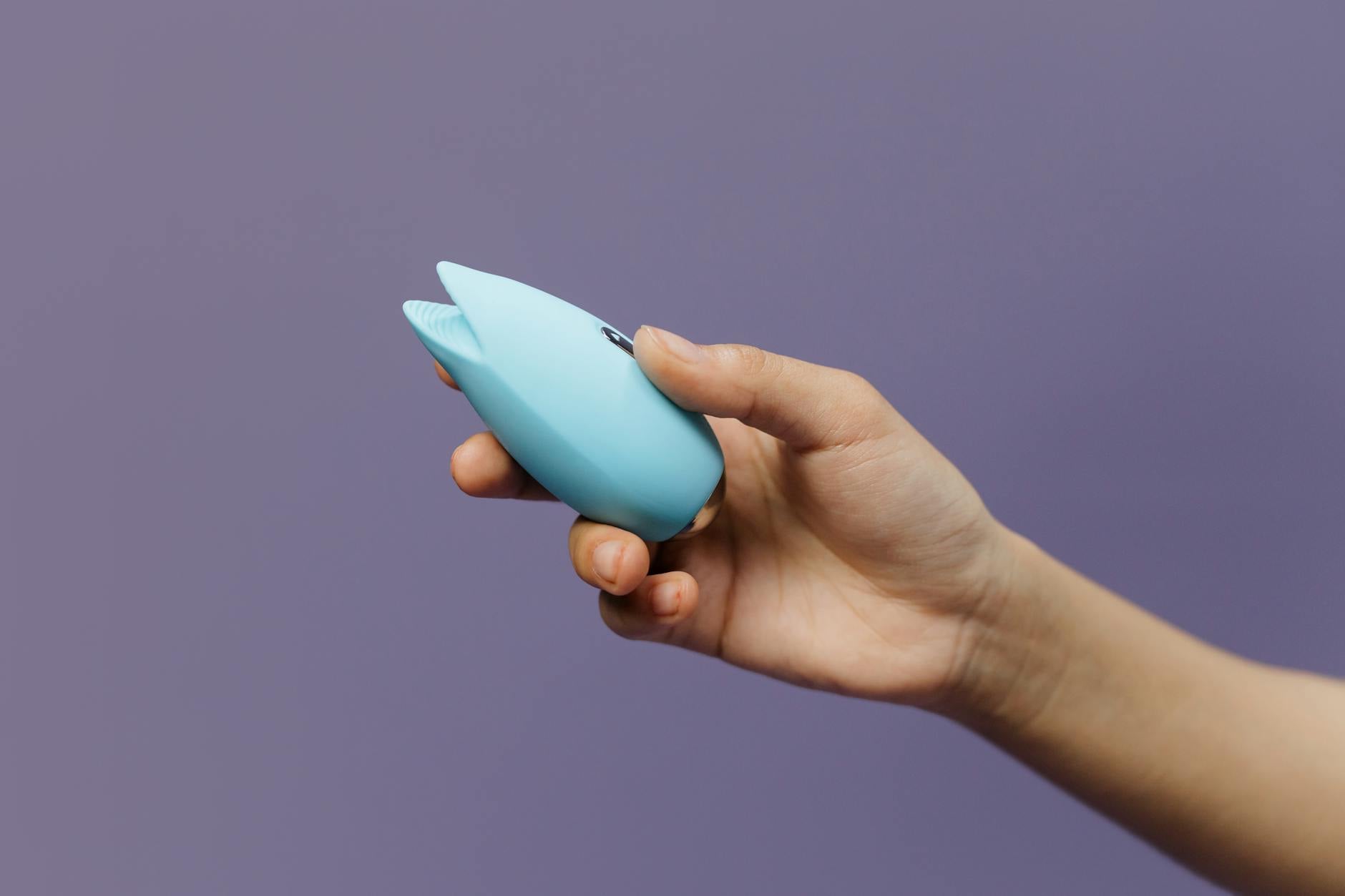
Lemon suction vibrators work differently than traditional vibrators. Instead of rubbing or buzzing, they use gentle suction and release to create a rhythmic pressure pattern that stimulates without friction. This matters because perimenopause tissues are more sensitive to sustained pressure and direct contact. Suction creates a broader stimulus field that engages the entire clitoral structure, not just the surface. Your arousal pathway responds to this kind of stimulation more readily because it's creating sensation through a different mechanism entirely.
Long story short, when your sensitivity is changing, a tool that doesn't rely on friction-based vibration ends up feeling way more responsive. You're not fighting your body's natural shift. You're working with it.
The practical adjustments that help most
Three things I recommend to almost everyone navigating this transition.
First, ditch the idea that you need the same intensity you used to. Start at the lowest setting on your lemon clitoral vibrator and actually feel what's happening. Your body is telling you something different now, and that information is valuable. A lot of people jump straight to settings three or four out of habit, then feel disappointed when the sensation feels numb. Go slow. Let your nervous system recalibrate.
Second, water-based lubricant becomes more than nice to have. It becomes essential. You might not be experiencing dryness yet, but your tissue is already shifting. A good lubricant doesn't mean you're broken. It means you're paying attention to what your body actually needs right now. Use it every time.
Third, warm up longer than you used to. Arousal during perimenopause isn't instantaneous anymore. Budget twenty to thirty minutes before you even reach for a vibrator. Your nervous system needs time to shift into pleasure mode, and that's completely normal. That extended warm-up is actually where a lot of people rediscover sensation, because they're paying attention instead of rushing.
The emotional piece nobody talks about
Here's the thing. Perimenopause lands in the middle of a lot of other stuff. Teenagers, aging parents, relationship patterns you've been running for two decades, career transitions, existential reckoning. Your nervous system is holding all of that, not just the hormonal shift. Sometimes what feels like lost desire is actually your nervous system being flooded with everything else.
When you talk to a partner about this, separate the two conversations. "My body is responding differently during this hormonal transition" is completely different from "I'm feeling disconnected from you." One is physiological. One is relational. Treating them as the same problem sends you both down a rabbit hole.
Some of my clients find that the act of choosing a tool like a lemon vibrator, taking time for themselves, and deliberately exploring sensation becomes a turning point. It's not about the vibrator itself. It's about deciding that your pleasure still matters, even though you're also dealing with everything else.
When sensation changes faster than expected
If arousal is becoming painful, or if sensation has completely flatlined and isn't returning after a few months of exploration, that's worth talking to a menopause-informed GP about. Genitourinary syndrome of menopause is real, common, and treatable. Topical estrogen creams work quickly and don't have the systemic effects people worry about.
Also pay attention to medication. Certain antidepressants, birth control, and blood pressure medications absolutely affect sensation. Sometimes what feels like hormonal change is actually medication change. Your doctor needs to know you're experiencing this, because there might be a simple adjustment that helps.
For some people, testosterone therapy becomes relevant during this phase. It's more conservative in the US than in other countries, but it's available and worth discussing if desire has genuinely disappeared.
Building a new normal isn't settling
Honestly, I see a lot of people treat perimenopause like they're waiting for the other side. Like pleasure is something they'll get back once hormones stabilize. That's backwards. Perimenopause is not a waiting room. It's a transition into a different experience of pleasure, and that experience can be just as rich as what came before. Different, yes. Less intense, sometimes. But also often more textured, more connected to your actual body, less performative.
Lemon clitoral vibrators meet you where you actually are during this phase. They work with changing sensation instead of against it. They're designed for tissue that needs a different approach. And they give you permission to slow down and actually feel what's happening instead of chasing a sensation that matches your twenties or thirties.
Your pleasure matters. Not in some abstract, empowering way. In a practical, physical, utterly normal way. Building a sustainable approach during perimenopause is actually how you sustain pleasure for the next thirty years.
FAQ: Your questions about lemon vibrators and hormonal shifts
Will a lemon vibrator feel less intense if my sensation is already changing?
Not less intense. Different. Lemon suction vibrators engage sensation through a broader stimulus field, so even on lower settings they can feel more comprehensive than traditional vibrators on high. The suction creates a kind of three-dimensional sensation that doesn't rely on surface friction. You might find you prefer settings one or two, which actually means less battery usage and less pelvic floor fatigue.
Can I use a lemon vibrator if I'm on hormone therapy?
Absolutely. Whether you're on HRT or not, the suction mechanism still works better with perimenopausal tissue than traditional friction-based vibrators. Some people find that HRT gradually shifts their sensitivity back closer to where it was before, and that's fine. Your lemon vibrator adapts to that change too. Just keep checking in with what actually feels good instead of assuming you need the same intensity you used to.
How often should I use a lemon vibrator during perimenopause?
As often as you want. Using a vibrator won't make sensation worse or train your body to depend on it. Regular exploration of pleasure actually helps your nervous system stay responsive. If you're using one three times a week or three times a day, that's not a problem. Just listen to your body for signs of irritation, use lubricant, and adjust intensity as needed.
Is the lemon suction technique better for perimenopausal pleasure than regular vibration?
For perimenopausal tissue specifically, yes. The suction mechanism doesn't depend on tissue thickness or density the same way traditional vibration does. It works by creating a pressure wave that stimulates the entire clitoral structure. That means it adapts better to the tissue changes happening during this phase. You'll likely find it more effective with less effort than you needed five years ago.
Will my sensation come back to normal after menopause?
Sensation will stabilize, but "normal" will be different than before. Most people find that once hormones level out, sensation feels consistent again. Some find it's actually more intense than during perimenopause because there's no longer the hormonal fluctuation creating that inconsistency. The tissue changes are permanent, but your nervous system adapts beautifully. A lemon vibrator works just as well on the other side of menopause.
Should I talk to my partner about changes in sensation?
Yes, but frame it clearly. "My body is responding differently during perimenopause, and I'm exploring what works for me right now" is a completely different conversation than "I don't want sex anymore." Partners often catastrophize about these shifts. Being clear that you're actively managing the change and exploring solutions helps. If you want to bring them into the exploration, that's fine too. If you need solo time to figure out what actually feels good, that's equally valid.
Your pleasure still matters
Perimenopause is the long middle chapter, and it's one where a lot of people put their own pleasure on hold thinking they should just get through it. That's backwards. Building a sustainable, honest approach to pleasure during this phase is exactly how you protect your capacity for it later. Lemon clitoral vibrators, longer warm-ups, better communication with partners, and permission to slow down. That's the toolkit that works.
If you want to explore more about how to navigate pleasure during major body transitions, our guide to using lemon vibrators when you're rebuilding after health changes covers similar territory. And if hormonal shifts are affecting your relationship dynamic specifically, this post on lemon vibrators for couples with mismatched libidos might be useful too.
Your body is changing. Your pleasure doesn't have to.