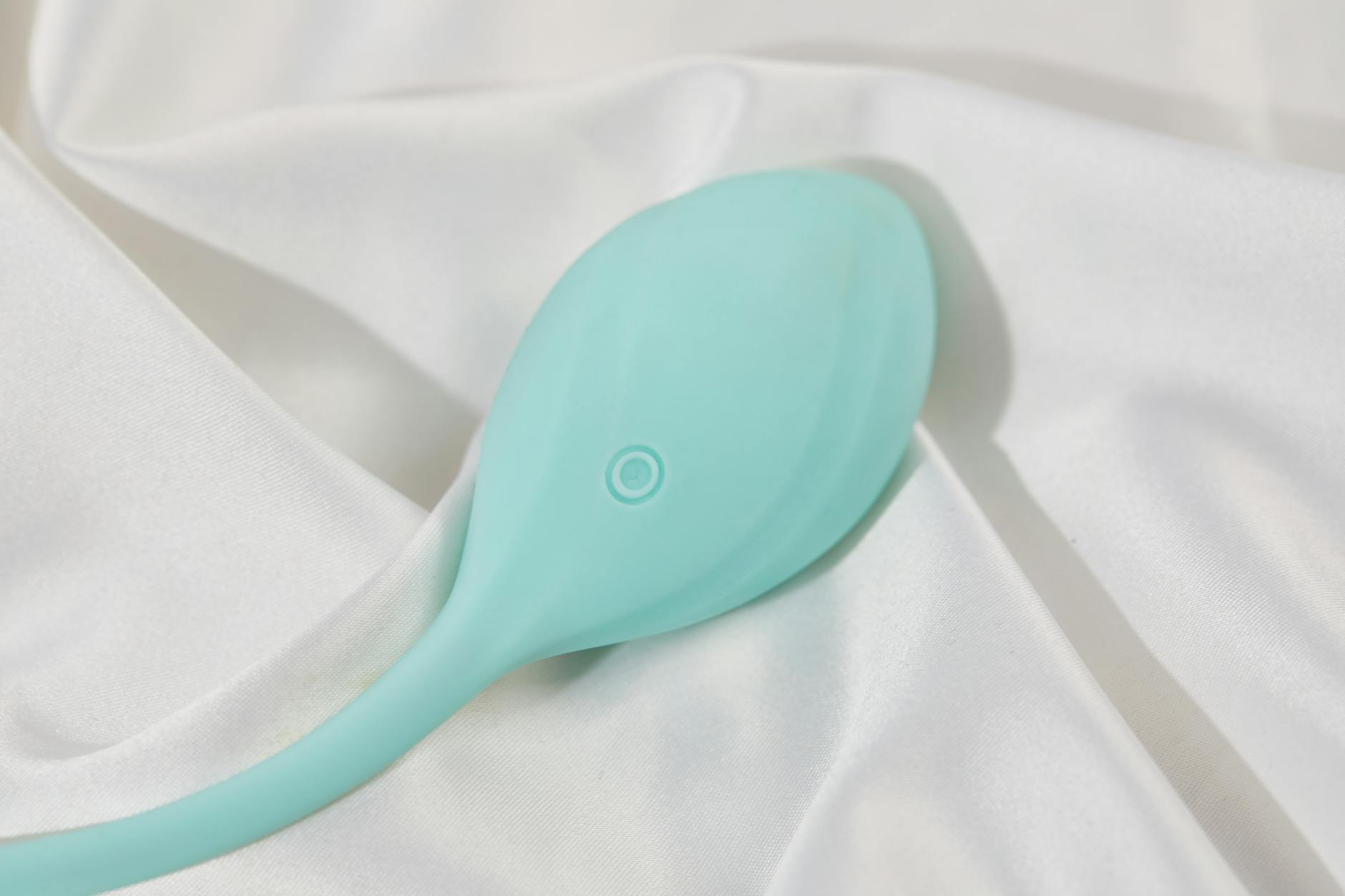
How to Find the Right Lemon Vibrator Intensity for Your Body Type
Here's the thing nobody tells you about lemon vibrators and clitoral vibrators in general: intensity is not one-size-fits-all. Your body's sensitivity baseline, your arousal patterns, and even your pelvic floor tension will determine which vibrator strength actually works for you. Your partner's favorite setting might feel like an overload for your nervous system, or it might barely register. That's not a flaw in either of you. It's just physiology.
I've worked with hundreds of people navigating pleasure and intimacy, and one of the most common frustrations I hear is this: "I tried a lemon clitoral vibrator but the intensity felt wrong." Usually they picked the wrong setting, not the wrong toy. Let me break down how to find your actual sweet spot.
The intensity spectrum isn't linear
When you're shopping for clitoral vibrators like the popular lemon sucker models, you'll see marketing around "patterns" and "speeds." Most lemon vibrators offer somewhere between 5 and 12 different intensity levels. But here's what manufacturers don't explain clearly: the jump between level 2 and level 3 is not the same as the jump between level 8 and level 9.
The early settings tend to cluster closer together. Levels 1 through 4 might feel relatively similar in sensation, with subtle gradations. Then there's a noticeable leap around level 5 or 6. By level 9 or 10, you're in a completely different territory. Many lemon vibrator users get frustrated because they jump from a mild setting straight to something that feels aggressive, missing the sweet middle ground entirely.
Start at the lowest setting. Let your body adjust for a full 30 seconds before deciding it's not enough. Most people underestimate how quickly they'll want to escalate, so give yourself time to feel the actual sensation rather than chasing intensity.
Body type and nerve density matter more than you think
Nervous system sensitivity varies wildly between people, and it's not always about being "sensitive" in the emotional sense. Some variation is genetic. Some is hormonal. Some comes from your personal history with sensation.
If you've spent years using wands or powerful external vibrators, your clitoral nerve endings may have adapted to expect more stimulation. You might find that entry-level lemon clitoral vibrator settings feel underwhelming at first. That doesn't mean you need the most aggressive vibrator on the market. It usually means you need a gradual reintroduction period where you explore the mid-range settings on your current toy rather than jumping straight to the maximum.
Conversely, if your body carries a lot of pelvic floor tension, even moderate intensity can feel too direct. Tight pelvic floor muscles make the clitoris more sensitive to pressure, not less. People with chronic pelvic tension often find that lower settings on lemon vibrators actually provide better, longer-lasting pleasure than high intensity, which can feel sharp or fatiguing.
If you're not sure whether you have pelvic floor tension, ask yourself this: do you tense your legs during arousal? Do you find yourself gripping or holding your breath? If yes, that's pelvic floor engagement. It's not wrong, but it changes how you'll experience a lemon sucker or any clitoral vibrator.
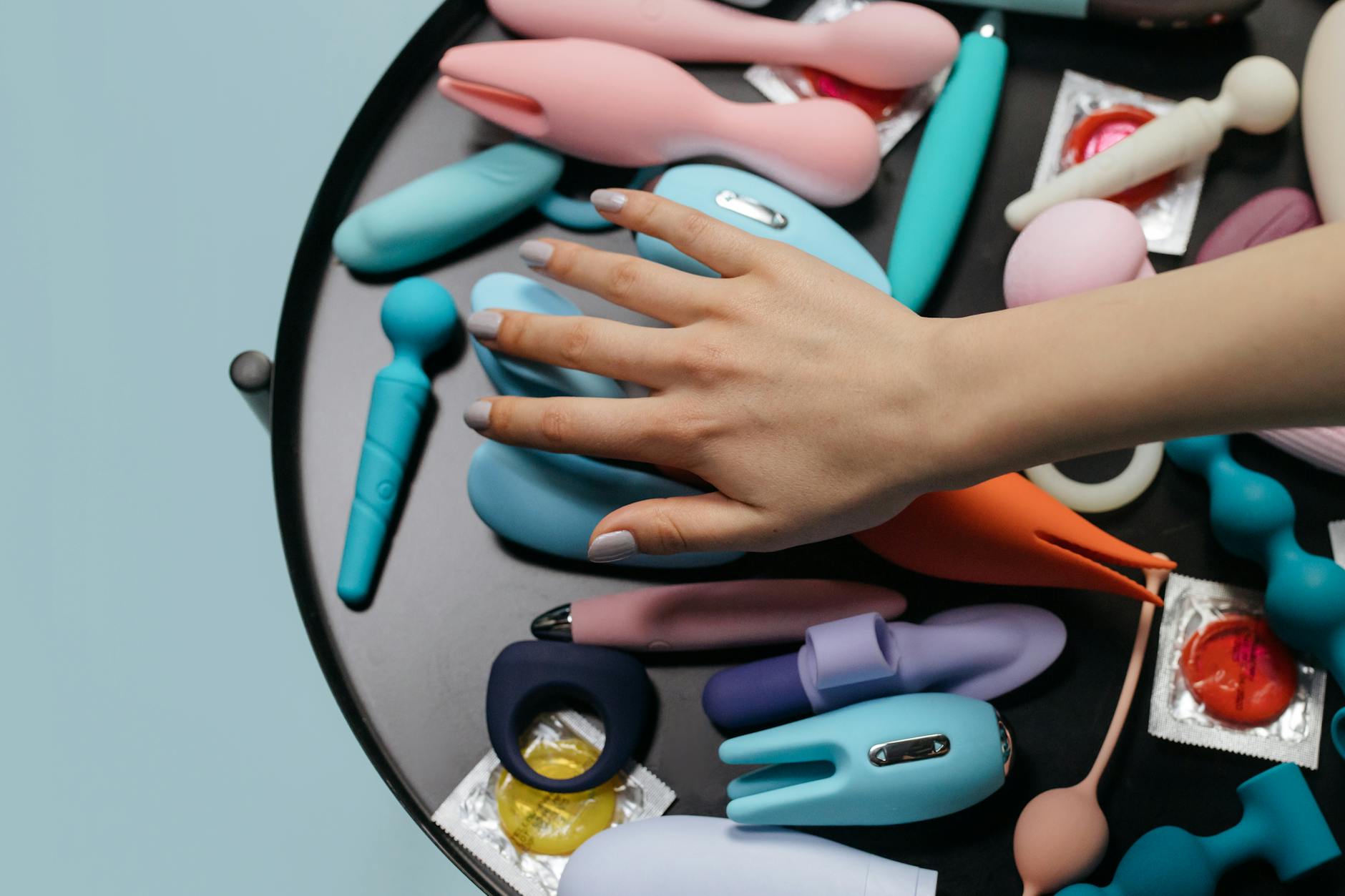
Photo by cottonbro studio on Pexels
Arousal stage changes what intensity you can tolerate
This is something I see people miss consistently: the right lemon vibrator intensity is not static within a single session. Your clitoris becomes more sensitive as arousal builds, not less. What felt perfect at the beginning might feel overwhelming five minutes later.
Most people use the vibrator the same way throughout their session. Start at level 3, stay at level 3, finish at level 3. But your body doesn't work that way. During early arousal, you might need levels 4 to 6. As you build toward orgasm, you might drop back to level 2 or 3 because your heightened sensitivity makes even moderate intensity intense. Post-orgasm, everything feels raw, so lower settings become your only option.
If you're struggling with a lemon clitoral vibrator, the issue might not be that you picked the wrong intensity baseline. It might be that you're using a static intensity when you need to move fluidly between settings. Spend a few sessions just experimenting with intensity shifts. Go up when you feel your arousal plateau. Drop down when sensations start feeling sharp. This isn't complicated, but it's something few people actively practice.
Check out our guide on how to use lemon vibrators during different stages of arousal for more on matching stimulation to your arousal curve.
Lubrication changes the effective intensity
Water-based lube is not just for comfort. It fundamentally changes how vibration translates to sensation. With adequate lubrication, the vibration disperses more evenly across tissue. Without it, the same vibrator intensity feels more focused and potentially more intense.
If you've tried a lemon vibrator at a certain intensity and found it uncomfortably strong, try it again with a generous amount of water-based lubricant. You might find that the intensity is actually perfect once the vibration isn't concentrated in one spot. Lube also reduces friction, which means you can use the vibrator longer without your tissue getting irritated, giving you more time to explore what intensity actually works for your body.
The reverse is also true: if you're finding that a setting feels too mild, try reducing lubrication slightly. Just a small amount of lube instead of generous amounts can intensify sensation. That said, never use no lube at all. That's how people develop irritation or pain, and then they blame the toy instead of recognizing it was a technique issue.
The role of rest days and desensitization
If you're using a lemon sucker regularly, you might notice that the same intensity settings feel less intense over time. This is real. It's called sensory adaptation, and it happens to everyone who uses vibrators consistently.
The solution isn't to buy a more powerful vibrator. It's to give your nervous system a break. Taking 2 to 3 days off from vibrator use between sessions can reset your baseline sensitivity. When you return to your lemon vibrator, lower settings will feel potent again. This is also why knowing how often you should use lemon vibrators matters for long-term pleasure.
Many people don't realize they're in a desensitization cycle. They use the vibrator every day at level 8 because levels 3 to 6 stopped feeling like anything. Then they take a three-day break, return to their toy, and suddenly level 4 feels amazing again. That's not the toy failing. That's your body signaling you to rest.
Partnered play changes intensity tolerance
When you're using a lemon clitoral vibrator alone, you control every variable. When a partner is involved, psychological factors shift. Some people find their arousal accelerates with a partner present, meaning they need lower intensity to avoid overstimulation. Others find they need more intensity because they're managing both their own pleasure and attention to the partner's presence.
There's no universal rule here, but pay attention to what your body actually needs in partnered versus solo contexts. If you've found an intensity sweet spot alone, don't assume it translates one-to-one into partnered play. Give yourself permission to ask for intensity adjustments mid-session. Something like "can you go to level 2 for a minute" is completely reasonable and very common.
If you're new to integrating a vibrator with a partner, our piece on using lemon vibrators with a partner without awkwardness walks through communication strategies that make these conversations natural.
Hormonal cycles and intensity shifts
If you menstruate, your clitoral sensitivity shifts across your cycle. In the days leading up to ovulation, your estrogen peaks and your clitoris becomes more engorged and responsive. You might find you need lower intensity settings during this window. After ovulation, as progesterone rises, some people feel less clitoral sensitivity and prefer higher intensity settings.
This isn't consistent across all bodies. Some people don't notice any shift. Others find it's the dominant factor in which settings feel good on any given day. Track your sensations for a full cycle if you're confused about why a setting that felt perfect last week feels off this week. You might discover a pattern that explains the variation.
When to seek professional guidance
If you've tried multiple intensity settings on different lemon vibrators and nothing feels right—if everything is either too mild or too intense with no comfortable middle ground—that can signal something worth checking with a healthcare provider. Chronic pelvic pain, vulvodynia, or other tissue sensitivity conditions are real, and they're treatable. Using a vibrator at the wrong intensity won't fix these issues and might make them worse.
Similarly, if your sensitivity has changed dramatically (you used to love level 7, now level 2 feels unbearable), that can be hormonal or medical. It's worth getting checked out rather than assuming your body suddenly changed for no reason.
Finding your actual baseline: a practical approach
Here's what I recommend to everyone starting with a lemon vibrator or switching to a new clitoral vibrator intensity setting:
Start solo. Give yourself 20 to 30 minutes without partner distractions. Begin at level 1. Spend 30 seconds with it. Move to level 2. Spend 30 seconds. Continue until you hit a level that feels noticeable but not overwhelming. That's your exploration baseline, not your final answer.
Now use that level for 2 to 3 minutes. Notice how it feels as your arousal builds. Does it stay comfortable, or does it start feeling too intense? Make a mental note.
Do this exercise 2 to 3 times before deciding on your "favorite" setting. Your body needs time to acclimate to a new vibrator or a new intensity level. Judging a lemon clitoral vibrator after one use is like judging a new partner after one date. Give it a real audition.
FAQ: Lemon Vibrator Intensity and Body Type
How do I know if my pelvic floor is too tense for high-intensity vibrators?
If you notice you're gripping, holding your breath, or tensing your thighs during arousal, you likely have pelvic floor engagement. High intensity can feel sharp or uncomfortable with tense pelvic floor muscles. Try lower settings first. If sensation still feels sharp, consider pelvic floor relaxation exercises (the opposite of Kegels) before returning to your vibrator. Sometimes the issue isn't the intensity itself. It's the tension you're bringing into the session.
Can using a lemon vibrator at low intensity still get me to orgasm?
Absolutely. Orgasm isn't about intensity alone. It's about sustained stimulation, arousal level, and how relaxed you are. Many people find their best orgasms come from lower, sustained settings rather than maximum intensity. You might need longer total time, but the sensation is often richer and longer-lasting than a quick, intense climax.
What if my partner and I have different intensity preferences?
This is common and completely workable. If you're using the vibrator together, you can take turns. You use it at your preferred setting while your partner stimulates you another way. Or your partner holds the vibrator and you guide their hand and the intensity level. The key is treating intensity like any other pleasure preference you negotiate together rather than something that should be universal.
Does intensity matter more than pattern on a lemon clitoral vibrator?
For most people, intensity matters more than pattern. The core sensation of a lemon sucker is the rhythmic pulsing, and that's consistent across most settings. What changes is how strong that pulse is. Patterns are fun to explore, but if you haven't nailed your intensity baseline yet, focus there first. Patterns are secondary.
How quickly does lemon vibrator desensitization happen?
It varies wildly. Some people notice a shift after a week of daily use. Others use vibrators frequently for months before needing rest days. If you're using a lemon vibrator 4 to 5 times a week, give yourself at least one rest day. If you're using it daily, 2 to 3 rest days per week is reasonable. Listen to your body. If a setting that felt great last week feels muted now, take a break.
Can I use a stronger lemon vibrator if my current one isn't intense enough?
Maybe, but try taking a break from your current toy first. Often what feels like needing a stronger vibrator is actually desensitization from overuse. Take 5 to 7 days completely off vibrators. Then return to your current lemon clitoral vibrator. If lower settings feel exciting again, you have your answer. If they still feel muted, a more powerful toy might be worth exploring, but rest days should always be your first solution.
The bottom line
Finding the right lemon vibrator intensity for your body isn't about following anyone else's preferences. It's about patient, curious exploration of your own nervous system. Start low, adjust for arousal stage, use lubricant, take rest days, and notice what actually feels good rather than what you think should feel good.
Your ideal intensity setting isn't fixed. It changes with your cycle, your stress level, your relationship status, and what you've been doing with your body that week. That variability isn't a problem to solve. It's just how pleasure works. Once you stop treating intensity as a constant and start treating it as a dynamic part of your experience, everything shifts. The same toy becomes infinitely more useful because you're using it with intention rather than guessing.
If you'd like to dig deeper into technique and sensitivity, we've covered how to recover from lemon vibrator sensitivity after frequent use and what to do if you're experiencing discomfort. You deserve pleasure that actually feels good. That starts with matching intensity to your body, not forcing your body to match someone else's intensity preference.