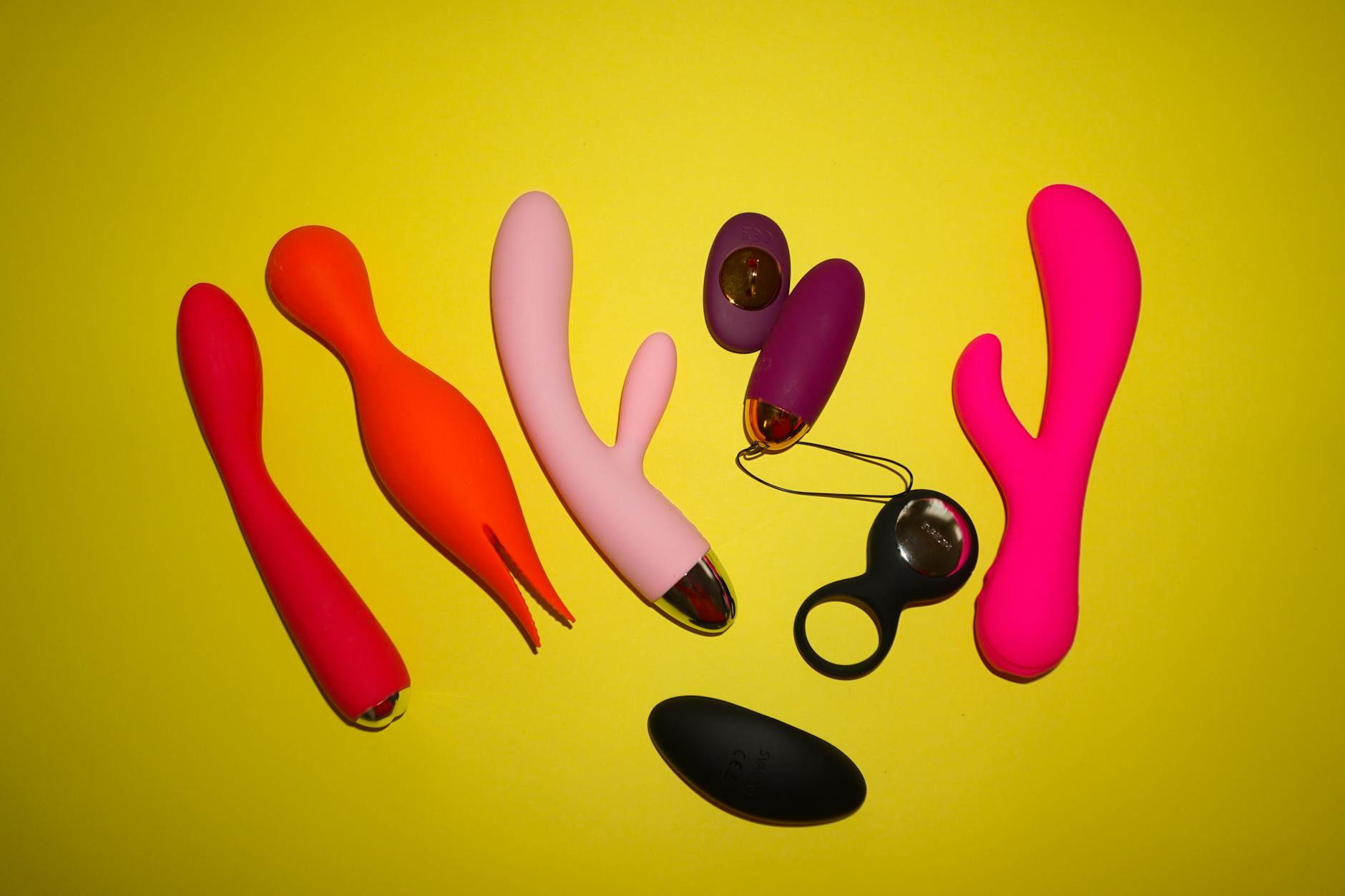
Here's what nobody tells you about numbness
You're touching yourself and you feel... almost nothing. Or you feel pressure, but not the sharp, electric sensation you remember. It's not pain. It's the absence of feeling, and that absence is weirdly confusing because the body parts are all still there.
Numbing during pleasure happens more often than anyone admits. And it doesn't mean your pleasure is broken.
Why sensation goes quiet
Numbing has three main culprits. Sometimes it's all three at once.
Habituation. This is what happens when your nervous system gets used to the same input over and over. If you've been using the same vibrator at the same pattern in the same way for months or years, your nerve endings stop firing as urgently. They're not lazy. They're just efficient. Your brain has categorized this sensation as "safe" and "known" and turned down the volume.
Pelvic floor tension. This one surprises people. When the pelvic floor muscles clench habitually (stress, anxiety, holding your breath during sex), they compress the nerves that carry pleasure signals to the brain. It's like turning down the volume on a speaker that's still playing music. The music is there. You just can't hear it clearly.
Medication or hormone shifts. Antidepressants, birth control, hormonal transitions. They change how neurotransmitters work. Sensation can fade without warning. This isn't your fault and it isn't permanent, but it requires a different approach.
Why lemon vibrators restore what's numb
Lemon clitoral vibrators work differently than traditional vibrators. The suction-based stimulation doesn't rely on friction or direct pressure. Instead, it creates waves of gentle pressure that expand and release across the tissue.
Here's why that matters for numbness. When sensation has faded, the clitoris needs a different kind of wake-up call. A traditional vibrator might buzz at the same spot you've already tuned out. Lemon vibrators introduce variation. The suction pattern changes pressure dynamically. Your nerves don't have a script for what's coming next.
I've worked with dozens of people who thought they'd lost sensation permanently. The moment they switched to a lemon vibrator, they said the same thing: "Oh. I can feel that." Not because their nerve endings had magically healed. But because the input was novel enough that their nervous system paid attention again.
The restart protocol
If numbness is habitual (same toy, same pattern, lost intensity), you need a reset. Here's what works.
Step one: take a break. Not forever. Two to four weeks away from any vibration. This isn't about deprivation. It's about letting your nervous system forget the old pattern. Explore touch without toys. Your hands, a partner's hands, temperature changes. Reintroduce your body to sensation from scratch.
Step two: start with lemon on the lowest setting. Don't jump to pattern three because that's what you used to do. Treat yourself like you're discovering sensation for the first time. Pattern one. Maybe for five minutes. Notice what you actually feel, not what you think you should feel.
Step three: vary the pattern every 30 seconds to a minute. Don't lock in. The novelty is the therapy. Switch from pattern one to pattern two to pattern three. Your nervous system will stay engaged because it can't predict what's coming.
Step four: build slowly over days, not all in one session. If you've been numb for a long time, you're retraining your perception. That takes repetition. Spend four or five days varying patterns before you try to push intensity or duration.
When numbness is tension, not habituation
If you think your pelvic floor is clenching (and you can tell because you're holding your breath, your thighs tighten up, your jaw locks), lemon vibrators still help, but the warm-up changes.
Start with five to ten minutes of conscious relaxation. Lie on your back. Breathe in for four counts, out for six. As you exhale, mentally release your pelvic floor like you're gently lowering an elevator. Don't force it. Just suggest to it that it can let go.
Then start with lemon on pattern one. Don't push toward orgasm. The goal is permission. Let the vibration do the work while you practice staying relaxed. Your pelvic floor will learn that this sensation is safe, and the clench will soften.
This usually takes longer than habituation reset. Budget two to three weeks of daily or near-daily practice before you expect big changes. But people are often shocked at how much sensation returns once the tension releases.
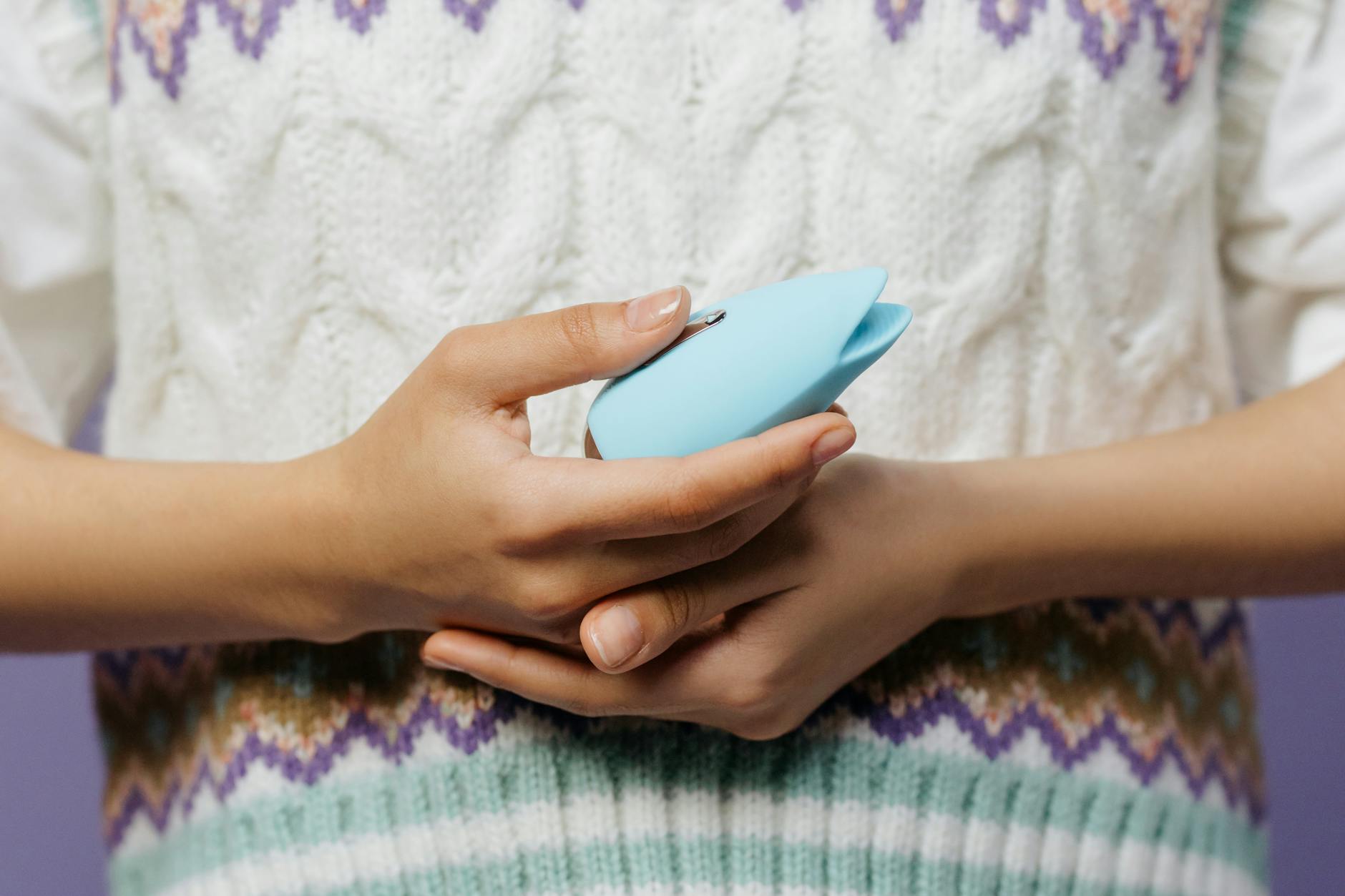
Photo by cottonbro studio on Pexels
What lemon vibrators do that others don't
The clitoral vibrator landscape is wide. But not all vibrators are built to cut through numbness equally.
Traditional bullet vibrators and wands deliver high-frequency buzz. They're loud, direct, and they work great if your nerves are responsive. But if sensation has faded, they can feel like background noise. The stimulation is constant but not surprising. Your nervous system still tunes it out.
Lemon vibrators use variable suction patterns. The sensation changes. It builds and releases. It's subtle enough not to overwhelm, varied enough to stay interesting. That combination is why they're particularly effective for numb sensation. The novelty keeps the nervous system engaged long enough for feeling to come back online.
Lemon clitoral vibrators also tend to distribute pressure across a wider area of the clitoris, not just the tip. That can actually be gentler on tissue that's tender or overly sensitive from past numbness attempts. Some people need that softness to rebuild trust with their own pleasure.
The patience piece
Here's what I tell my clients who are frustrated with numbness. Your nervous system isn't broken. It's just protecting itself. Whether that protection came from repetition, tension, medication, or emotion, it's a feature, not a bug. The job now is to signal that it's safe to feel again.
Lemon vibrators signal that. But they're not a magic wand (even though the brand name includes "sucker"). You have to show up consistently. You have to stay curious about what you're feeling instead of chasing what you remember feeling. That shift in mindset is usually half the battle.
Most people see real changes in sensation within two to four weeks of intentional, varied practice. Some take longer. The timeline doesn't matter as much as the consistency. Your body will respond when it knows you're genuinely listening to it.
When to bring a partner in
If you have a partner, this work goes faster with support. Not because they can fix it, but because they can help you stay patient with yourself.
Tell them what's happening and what you're trying. If you're doing the reset protocol, ask them to use hands instead of toys for a week or two. That's novelty without added pressure. Once sensation is returning, reintroduce lemon vibrators in partnered sessions. Many people find that the psychological shift of a partner being present and engaged actually helps nerve endings wake up faster.
The conversation matters more than the tool. You might also explore how to use lemon vibrators with a partner in ways that feel low-pressure. When you're using lemon vibrators during sex with a partner, the dynamic changes. Sometimes having that partner presence takes the performance pressure off, which can paradoxically make sensation return faster.
FAQ
How long does numbness usually last once you start retraining sensation?
It depends on why the numbness started. If it's pure habituation from using the same toy the same way, most people notice real changes within two to three weeks. If it's tension-based, it can take four to six weeks because you're retraining muscle memory. If it's medication-related, check with your prescriber about timing. Some medications have more impact on sensation than others, and sometimes a small dose adjustment helps without losing the drug's benefits.
Can you use lemon vibrators too much and numb yourself again?
Not in the way you're thinking. Using lemon vibrators frequently won't re-numb you because they deliver varied stimulation. Your nervous system stays engaged. Where people usually run into trouble is using the same pattern obsessively. If pattern five becomes your new "go-to," you can habituate to that specific pattern. The solution is the same: switch patterns, take breaks, stay curious. Variety prevents re-numbing.
Is numbness during pleasure a sign of a health problem?
Not always. It can be. If numbness showed up suddenly, came with pain, or is happening everywhere in your body, definitely talk to a doctor. But if it's specifically sensation during sex or masturbation and it developed gradually or after years of the same routine, it's usually nervous system habituation or tension. Those are completely workable. Start with the reset protocol. If nothing changes after three weeks, check in with your doctor.
Does sensation come back the same way it was before, or does it feel different?
Most people say it feels different, and they're shocked when they say that's actually better. Sometimes sensation comes back sharper. Sometimes it's more subtle but more pleasurable. You've changed since the numbness started. Your body has changed. Expect the feeling to be familiar but not identical. That's healthy. It means you're building something new instead of chasing the past.
Can anxiety or stress cause numbness during pleasure?
Absolutely. When you're in stress mode, your parasympathetic nervous system (the one responsible for pleasure) goes offline. Your body prioritizes survival. That deadens sensation. If stress or anxiety is part of your picture, combining the reset protocol with stress management helps. Therapy, meditation, movement, whatever works for you. The lemon vibrator creates the physical conditions for sensation to return. Managing your nervous system through stress helps make room for it.
What's the difference between numbness and not being able to orgasm?
They're related but different. Numbness is reduced sensation. Difficulty orgasming is usually about sustained arousal, pressure to perform, or pelvic floor tension blocking the final release. Someone can have full sensation and still struggle to finish. If you're having trouble finishing even though you can feel touch, that's a different issue worth exploring separately. But if numbness is your main problem, start with sensation reset. Orgasms usually follow once you can actually feel what's happening.
The next move
Numbing isn't permanent. It's not a character flaw. It's your nervous system doing what it's designed to do. Sensation returns when you signal that it's safe to feel again. Lemon vibrators are one of the best tools for that signal because they offer novelty, variation, and gentleness all at once.
Start small. Stay consistent. Give yourself weeks, not days. Your body will respond.
If you're working through this and want support, reach out. Sometimes talking through what's happening with a professional makes the whole process faster. You deserve to feel what's actually happening in your body, and that's completely within reach.