Let's name what happened
Somewhere between then and now, you stopped. Maybe it was shame. Maybe life got too loud. Maybe you convinced yourself you were "too old for that" or "too married for that" or just too tired. Whatever the reason, solo pleasure fell off your map, and now the idea of picking it back up feels less like a homecoming and more like a first awkward date with your own body.
That feeling is real. And it's not uncommon. What I want to tell you is this: reconnecting with solo pleasure isn't something you need to overcome. It's something you get to rebuild. And a lemon clitoral vibrator can help you do it without the shame.
Why you stopped (and why that matters)
Before we talk about how to restart, I want to acknowledge why you might have stopped in the first place. The reasons people pause solo pleasure are rarely simple.
Sometimes it's practical. Kids in the house. A partner who made solo time feel like a betrayal. A job that consumed every spare minute. Sometimes it's psychological. Depression flattens desire. Anxiety makes your body feel foreign. Grief takes up all the space. Sometimes it's cultural or religious messaging that convinced you that touching yourself was something to be done only in specific windows, with specific intentions, and that those windows had closed.
Whatever your reason, that pause likely wasn't a choice you made cleanly. It was something that happened to you, gradually, until one day you realized years had passed and you'd stopped thinking about pleasure entirely.
Here's what I know from working with people through this exact transition: restarting doesn't require you to untangle all of that first. You don't need to resolve the shame before you touch yourself. You don't need to understand why you stopped before you start again. You just need permission and a low-pressure entry point.
A lemon vibrator can be that entry point.
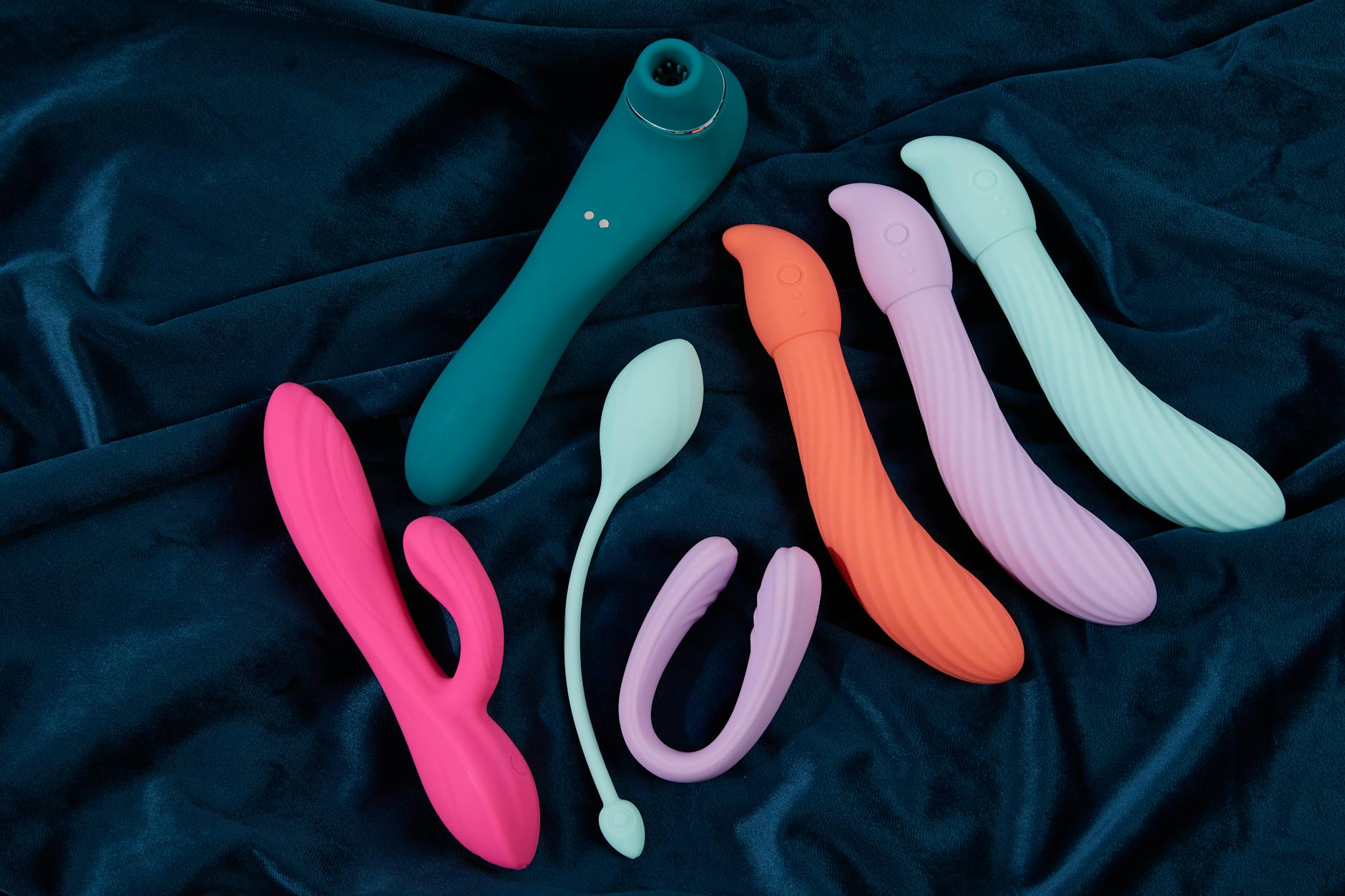
Photo by IFONNX Toys on Pexels
Why a lemon vibrator, specifically
There are a lot of vibrators out there. Why recommend a lemon sucker design over the others? A few reasons that matter when you're nervous.
First, lemon clitoral vibrators use suction stimulation rather than pure vibration. This feels different from what you might have experienced before. It's gentler, less jarring, and requires less maintenance of arousal. If you're anxious about your body responding "right," suction takes some of the performance pressure off.
Second, the lem vibrator design is intuitive. There's no learning curve. You're not trying to figure out angles or intensity modes or whether you're using it "correctly." You press it on, and it works. That simplicity matters when you're already feeling self-conscious.
Third, lemon vibrators are designed with sensitivity in mind. After years away from touch, your body might feel more sensitive than you remember. The suction sensation on a lemon adult toy distributes pressure evenly across the clitoris rather than concentrating it in one spot, which makes it easier to stay comfortable as you relearn your own pleasure.
Getting permission to start
This might sound obvious, but I'm going to say it anyway: you need to give yourself permission to do this.
Not as a health obligation. Not as part of a self-care checklist. Not because you think you "should." But as an active choice that your pleasure and your body matter enough to prioritize, even for fifteen minutes.
That permission looks different for everyone. For some people, it means telling their partner explicitly. "I'm going to start exploring solo pleasure again. This isn't about you. It's about me reconnecting with myself." For others, it means creating actual physical privacy and protecting it fiercely. A locked door. A specific time. A conversation with whoever else is in the house about boundaries.
For many people, permission also means adjusting the story you've been telling yourself. Instead of "I'm going to fix what's broken," try: "I'm going to explore something that feels good." Instead of "I have to perform an orgasm," try: "I'm just going to see what happens." Language shifts the whole nervous system.
The practical setup
When you're anxious, environment matters. Here's what I recommend:
Pick a time when you won't be interrupted. Not a moment carved out between other tasks. An actual window where you can be alone. Early morning before anyone wakes up. An evening after everyone's in bed. Saturday afternoon when your partner is out. This isn't dramatic. It's just respect for your own experience.
Choose a comfortable, private space. Bed is fine. A locked bathroom is fine. Your car, if that's genuinely your only option. The point is that you feel secure enough that your nervous system can relax slightly.
Have water nearby. Sounds random, but being even slightly dehydrated amplifies anxiety. A glass of water beside you signals to your body that you're taking care of it.
Keep the lemon vibrator accessible but not on display. A bedside drawer is perfect. This removes the awkwardness of having to fetch it from somewhere you're worried others might find it.
That's it. You don't need candles or a specific outfit or mood music. Those things can be nice, but they can also feel like one more performance to manage. Start bare bones.
How to actually use it when you're nervous
Here's where a lot of people get stuck. They have a lemon vibrator, they have privacy, they have permission, and then they turn it on and immediately feel embarrassed by their own body's response (or non-response).
Let me reframe this. The first time using a lemon clitoral vibrator after years away isn't about achieving an orgasm. It's about remembering that pleasure is available to you. That's the entire goal.
Start with the lowest intensity setting. Not medium, not "let's see what this can do." The absolute lowest. You're not testing the vibrator's power. You're noticing what your body feels.
Take five minutes just exploring. Move the suction cup around. Try different angles. Light pressure, firm pressure. If nothing feels good, that's information, not failure. Maybe the lowest setting needs to move to medium. Maybe you need to warm up first by touching yourself without the vibrator. Maybe you need to stop and try again tomorrow. All of those are completely normal.
The point is to build familiarity. Your body has been away from this for years. It's not going to trust the pleasure immediately. That trust rebuilds gradually, visit by visit.
What happens next
If you find that you're responding, that the lemon vibrator feels good, then you get to decide what happens next. Maybe you continue exploring. Maybe you use it to orgasm. Maybe you stop before that and just enjoy the sensation. There's no "correct" progression.
If you find that you're not responding, or that anxiety is still too loud in the room, that's also okay. How to use lemon vibrators for pleasure when you're rebuilding sexual confidence offers deeper strategies for working through that psychological layer. Some people benefit from therapy. Some people benefit from time. Most benefit from both.
The difference between this attempt and your last attempt is that you're not trying to feel a certain way or achieve a certain outcome. You're just practicing presence with your own body. That's the work. That's the rebuilding.
The shame piece (because it matters)
I want to address something that might be sitting under all of this. After years of not touching yourself, shame can show up as soon as you think about restarting. Shame that you stopped. Shame about your body now. Shame that you "need" a vibrator instead of being able to pleasure yourself "naturally."
Here's what I know clinically: lemon vibrators aren't a crutch. They're a tool. The same way glasses aren't a failure of eyes. Using a lem vibrator to reconnect with solo pleasure isn't evidence that something's wrong with you. It's evidence that you're being smart about making something difficult feel more manageable.
Shame often silences us more effectively than any external barrier. If you notice shame showing up during this process, don't try to logic it away. Acknowledge it. "There's the shame again. That makes sense, given my history. And I'm choosing to do this anyway." That simple acknowledgment often takes some of its power.
Moving forward
Rebuilding solo pleasure after a long gap is a form of self-trust. It's you saying to your own body: "I see you. I believe you deserve attention. I'm going to start showing up." That's not small work. It matters.
A lemon clitoral vibrator can be the permission slip. The practical tool that makes the awkward part feel a little less awkward. But the real work is the choice to reconnect with yourself. That choice is yours alone.
FAQ: Questions people ask when restarting solo pleasure
How do I know if a lemon vibrator is right for me if I haven't touched myself in years?
You don't need to know beforehand. The best way to figure this out is to try it. The lem vibrator's suction design makes it gentler and more intuitive than many options, which is why I recommend it for people nervous about restarting. If you use it and it doesn't feel right, you'll know that too. That's not failure. That's data.
What if I still can't orgasm even with the vibrator?
Orgasm isn't the goal when you're rebuilding. The goal is reconnecting with the experience of pleasure, with your own body, and with the idea that you deserve to prioritize yourself. Those things can happen without orgasm. If weeks or months pass and you want to troubleshoot further, how lemon vibrators change pleasure during hormonal shifts addresses some physical factors that might be at play. But start with permission and exploration first.
Is it normal to feel embarrassed even when I'm alone?
Completely. After years of not engaging with solo pleasure, your body and nervous system might register it as something risky or wrong. That embarrassment can show up even when no one's watching. It usually fades with repetition. The more you do this, the more normal it becomes. If it doesn't fade after several attempts, talking to a therapist who specializes in sexual health can help.
How often should I try if it doesn't work the first time?
There's no set rule, but I recommend giving yourself at least three to five separate attempts before deciding it's not working. Your body needs time to rebuild familiarity and trust. Some people find that every other day works best. Others need a few days between sessions. Listen to what your nervous system tells you.
What if my partner feels threatened by this?
That's a conversation worth having, and it's separate from the physical act itself. Lemon vibrators for couples with mismatched libidos explores how to navigate that dynamic. For now: your solo pleasure isn't a referendum on your partner. It's about your relationship with yourself. Partners who understand that distinction become partners who support it.
Can I use a lemon vibrator if I'm on medication that affects sensation?
Yes, though you might need to adjust expectations or settings. Some medications flatten arousal or change how sensation registers. A suction vibrator like the lem vibrator often works better than traditional vibrators in these situations because it distributes sensation differently. Start low, give yourself time, and adjust as needed.
Final thought
Restarting solo pleasure isn't a return to something you lost. It's a new beginning with a body that's changed, in a life that's changed, with permission that you've given yourself. That's different. That's worth doing slowly, with kindness, and with tools that make it feel less alone.
A lemon vibrator can be part of that. The rest is you showing up for yourself.